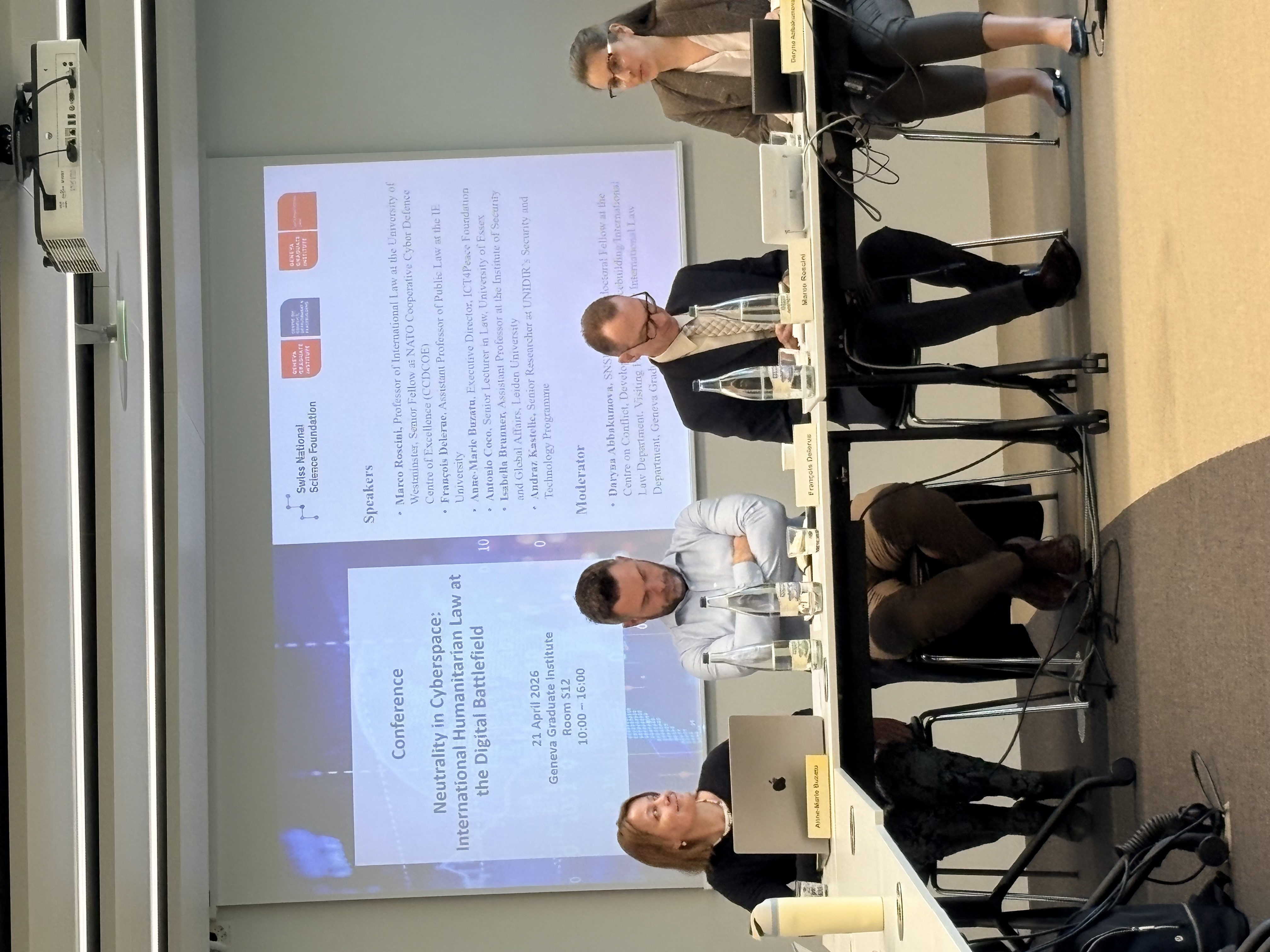
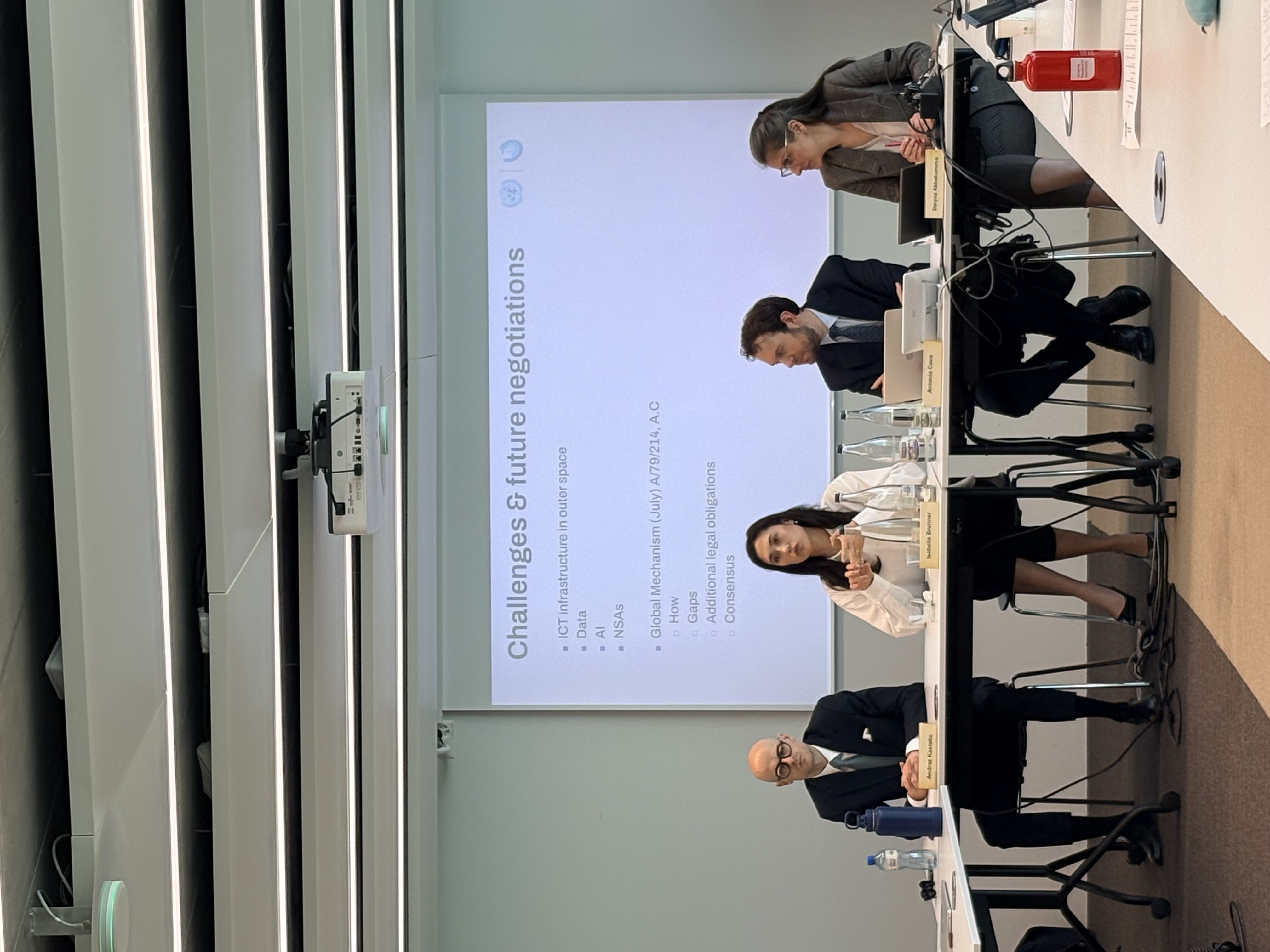
Can the law of neutrality, developed for the wars of the nineteenth and twentieth centuries, still govern conflicts fought through code, algorithms, and digital infrastructure? This was precisely the focus of the conference, “Neutrality in Cyberspace: International Humanitarian Law at the Digital Battlefield”, which I had the honour of organising and moderating at the Geneva Graduate Institute earlier this week. The conference was held as part of my two-year SNSF postdoctoral project, “Cyber Operations, International Humanitarian Law, and Issues of Neutrality”, which is funded by the Swiss National Science Foundation SNSF.
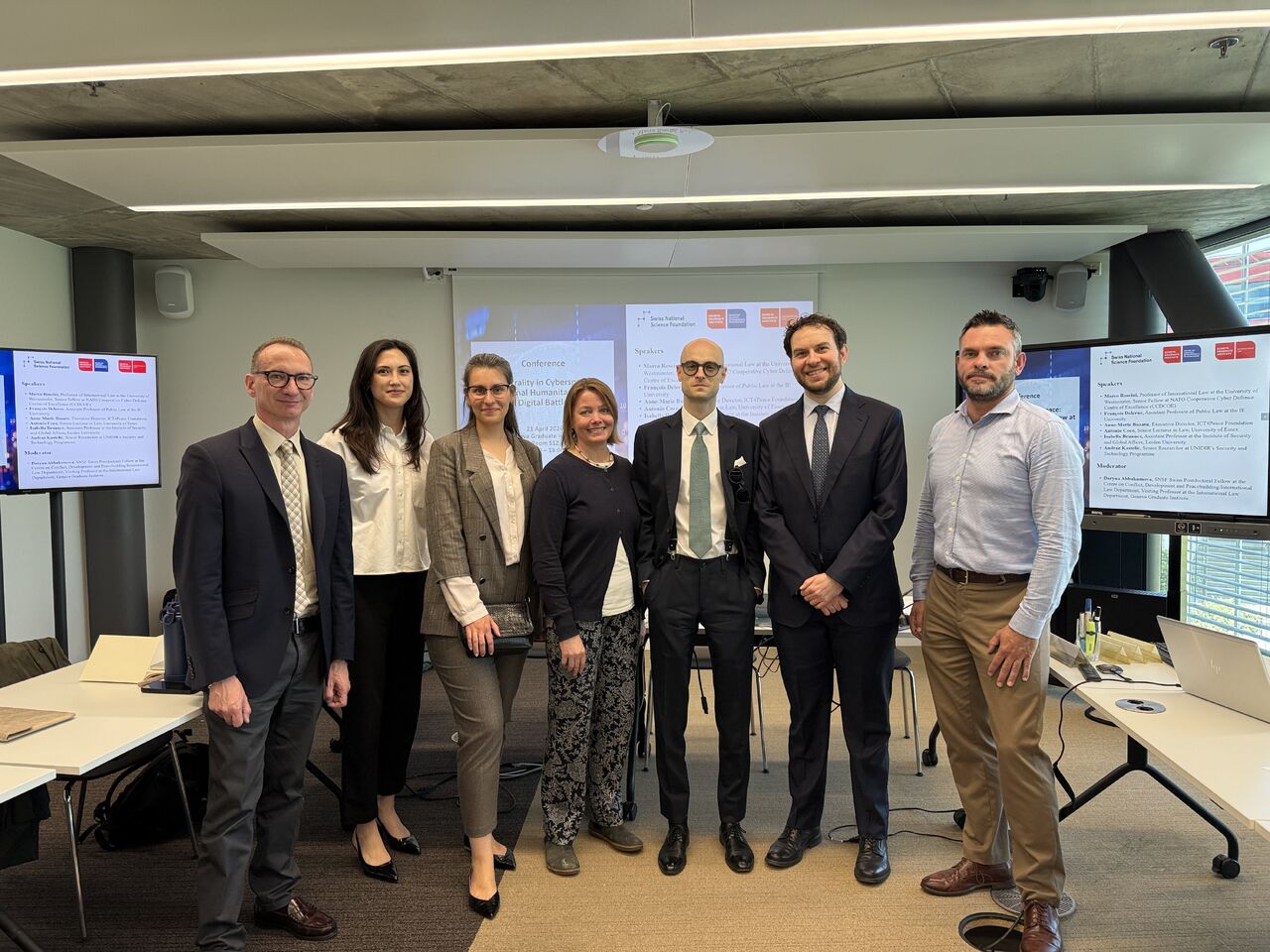
The event featured two dynamic panel discussions, bringing together an outstanding group of internationally renowned experts working at the intersection of international law and cyber operations. Among them were Marco Roscini (University of Westminster), François Delerue (IE University), Anne-Marie Buzatu (ICT4peace Foundation), Antonio Coco (Essex Law School), Isabella Brunner (Leiden University), Andraz Kastelic (United Nations Institute for Disarmament Research (UNIDIR)). Their presentations were exceptionally well received and generated numerous thoughtful questions, lively debate, and genuine engagement from the audience.
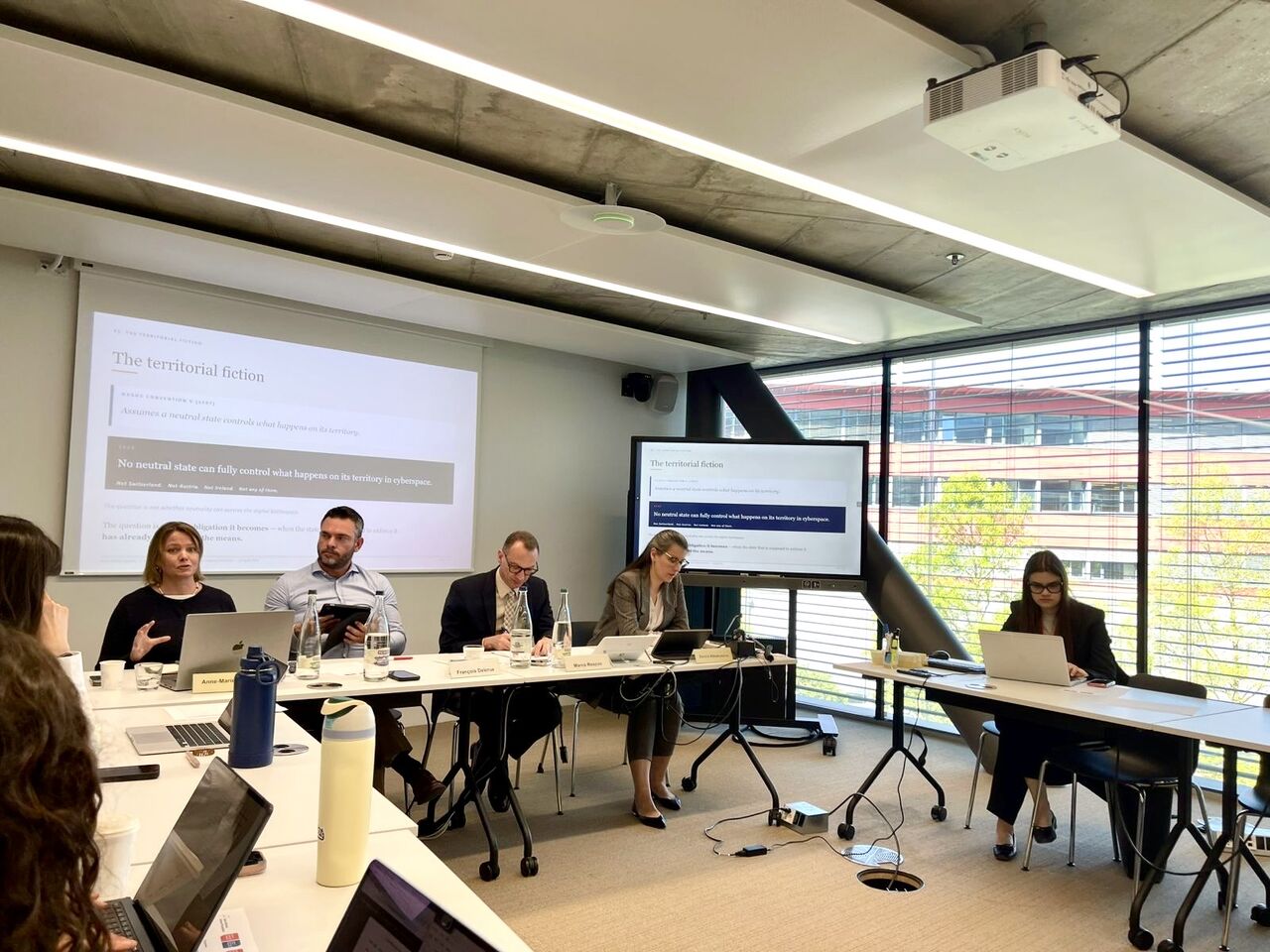
Professor Marco Roscini opened the first panel with an insightful analysis of the conduct of neutral and belligerent states in cyberspace, examining the core rights and obligations arising under the law of neutrality and the controversies surrounding their application in the digital domain. François Delerue then examined the role of third states acting through cyber means during armed conflict, including questions of lawfulness, remedies, and countermeasures.
Anne-Marie Buzatu concluded the panel by offering a highly practical perspective on the challenges neutrality faces in a privatised and transnational digital environment.
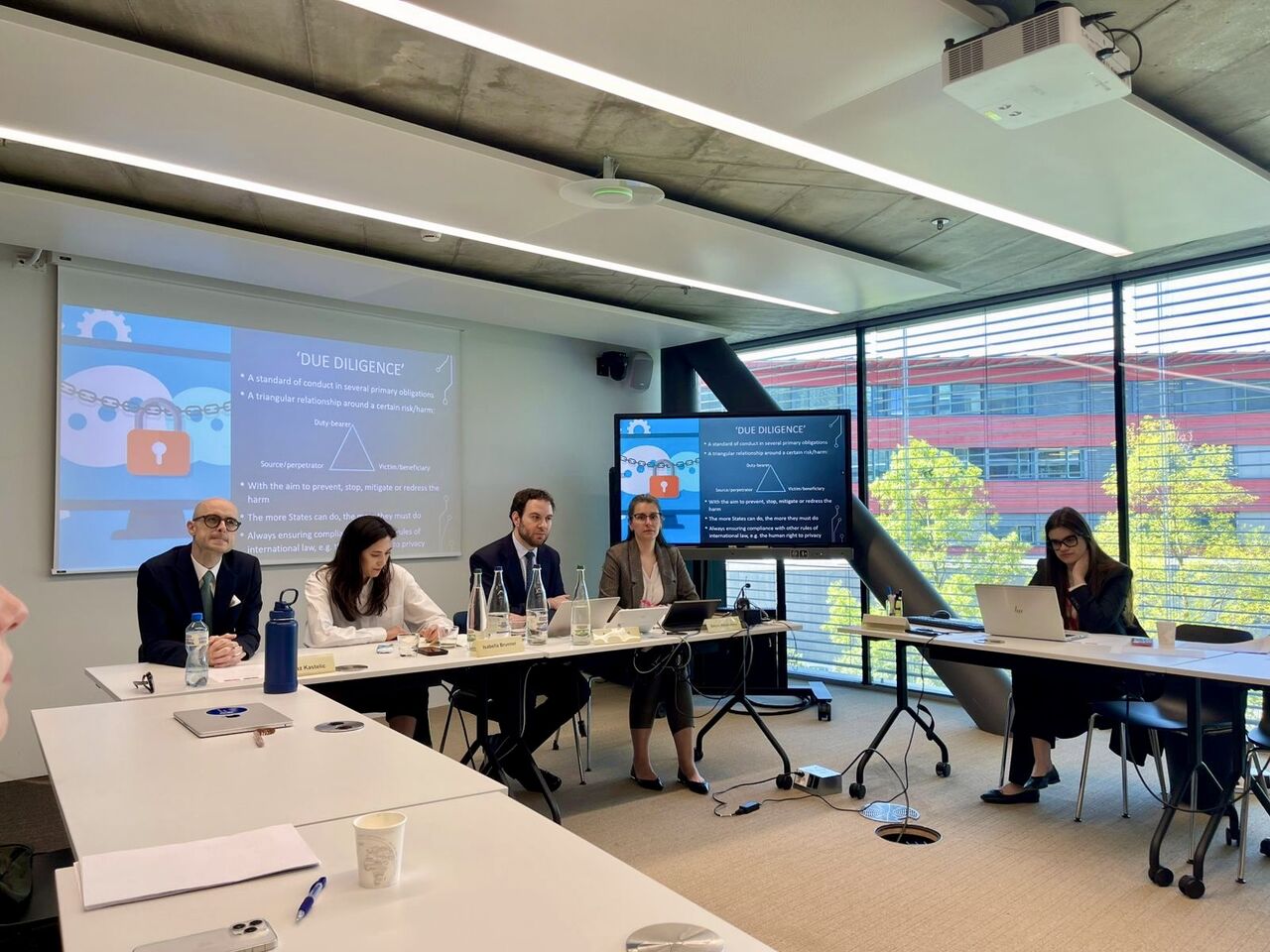
Our second panel focused on some of the most pressing contemporary challenges in this field. Antonio Coco explored the interaction between the law of neutrality and state’s due diligence obligations in relation to cyber capabilities and artificial intelligence. Isabella Brunner addressed the complex issue of attribution of cyber operations to states, including the additional challenges created by advanced AI systems. Andraz Kastelic concluded the conference with a comparative analysis of national positions on international law in cyberspace, including the law of neutrality.
My sincere thanks to all speakers for accepting my invitation and contributing their expertise to this important discussion!
- Daryna Abbakumova
Learn more information about the research project hosted by the CCDP Cyber Operations, International Humanitarian Law, and Issues of Neutrality.