Now Amarachi Ibekeme, Chumo Chen and Yeojin Kwon discuss their experience.
Greenseed's vision was to address both environmental degradation and gender inequality. Was your project successful in supporting this vision?
Yes, we believe so. We researched how environmental vulnerability directly affects women and their families. This shaped the way we approached our recommendations, making sure they were both environmentally sustainable and aligned with women’s needs and interests.
Our project focused on identifying livelihood ideas that could strengthen resilience while creating more inclusive opportunities for women. These included producing organic compost from pig manure, developing locally sourced food production such as fish and a communal garden, and making coconut-based products like oil and pie. We tried to gather insights from local women - who are the real experts of their community context - and emphasised the practical initiatives that communities could realistically sustain using available local resources.
Most importantly, the project highlighted the often invisible yet valued domestic labor performed by women and drew attention to the unequal burdens they carry in maintaining households and livelihoods under conditions of economic and environmental insecurity. By centering women’s experiences and voices in the research and recommendations, the project aimed to contribute to more equitable, community-driven development approaches aligned with Greenseed’s broader vision.
How was your experience preparing for fieldwork? How did you go about the logistics and what support did you receive?
Preparation was both intensive and collaborative. It began in the 2025 Fall semester, when we were assigned to this project. Before going into the field, we spent one semester conducting background research on the community context, government structures, environmental conditions, existing local livelihoods, previous projects and gender dynamics. The team also conducted a literature review of relevant theories and analytical frameworks with great support from our faculty lead Christophe Gironde, our teaching assistant Paul Théo Deshusses and our partner, Greenseed, headed by Anna Devine and Esther Peev. At the last stage, we prepared interview guides and questions to ensure ethics and structured field engagement while remaining adaptable to local realities.
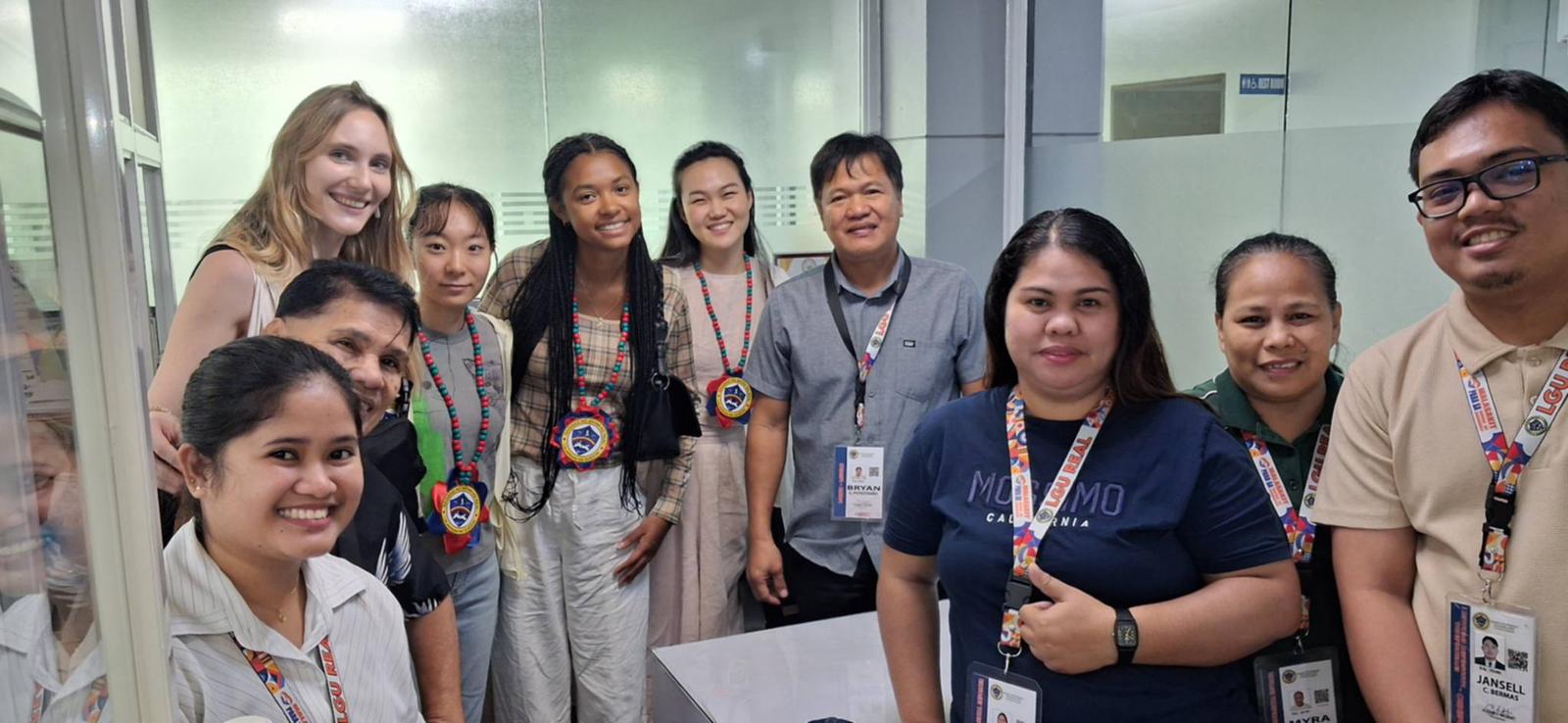
In terms of logistics, a local NGO called Haribon Foundation managed almost all the preparation, including coordinating transportation, accommodation, scheduling interviews with relevant stakeholders, budgeting and securing the materials needed for field activities and documentation. Thanks to Haribon, the onsite work went smoothly as they communicated with local stakeholders prior to our arrival.
The support received throughout the process was substantial. Greenseed fully funded our fieldwork and practical guidance from Christophe Gironde helped shape the research direction and methodology, while local community members and government staff provided invaluable knowledge during the fieldwork itself. Their openness, hospitality and willingness to share their experiences made the research process much more grounded and meaningful.
What were some key takeaways you drew from this experience and how does it support your overall learning experience in the MINT programme?
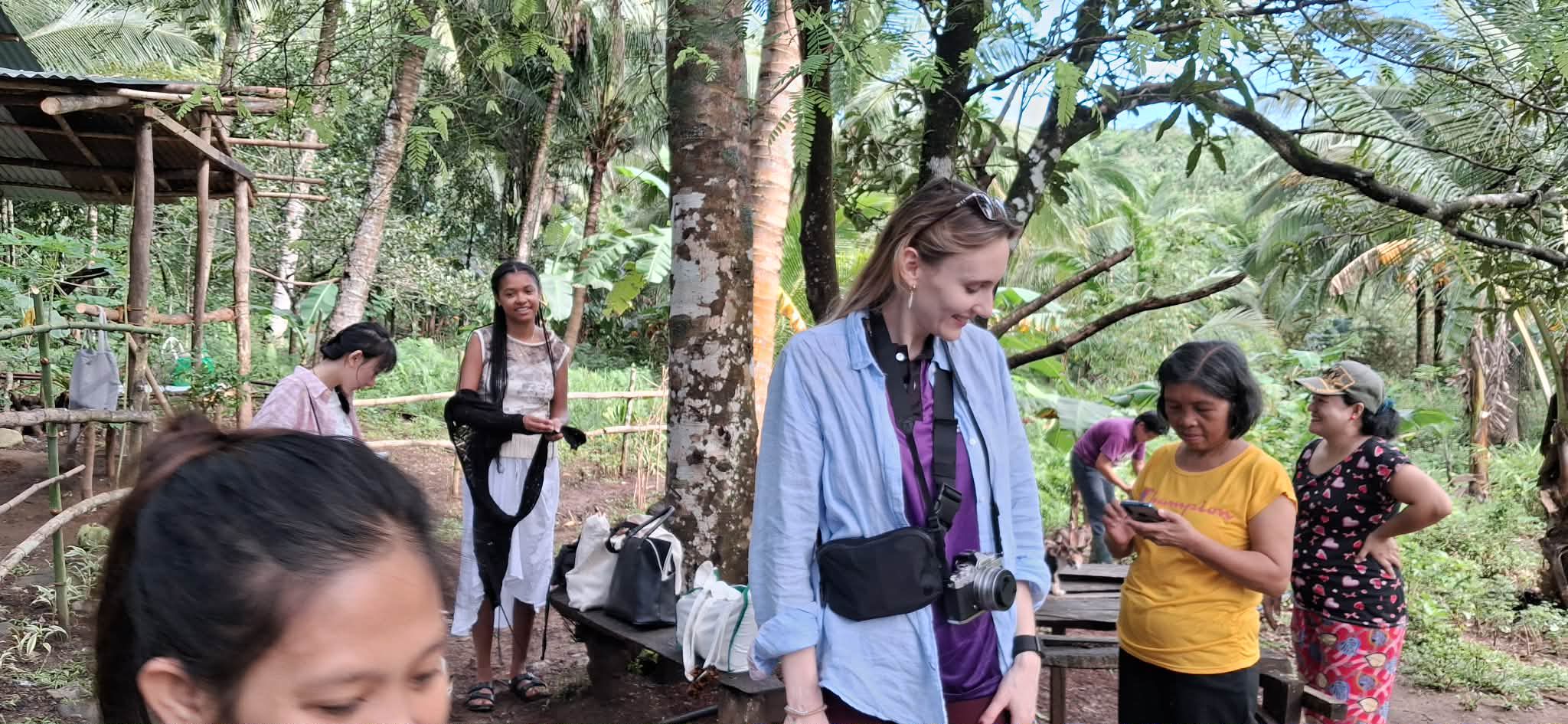
Some of the main takeaways came from being able to be inside the community, being invited into people’s homes and seeing their real-life hardships firsthand. This made everything we had studied much more real. One concrete example was a woman we met who worked as a healthcare worker, was active in several community and women’s groups, ran a pig farm and at the same time carried out unpaid domestic work and cared for her grandchildren. Seeing how skilled and resilient these women were, despite the hardships they face, was very striking. There is a strong culture of resilience and hard work, but at the same time this can make them vulnerable to exploitation, which we explored further in our analysis.
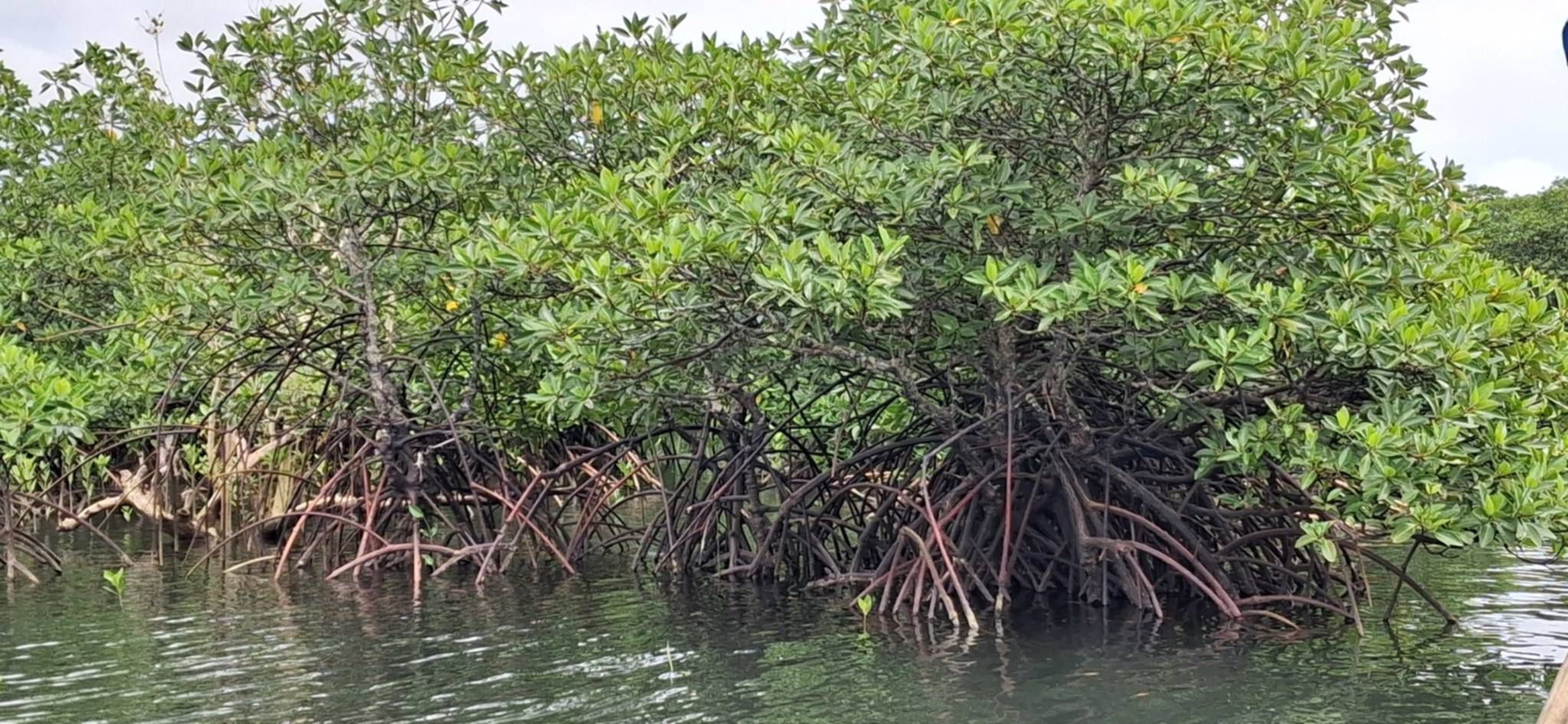
Being able to humbly listen to their ideas and see their drive was truly inspiring, and they really shaped the study. It also made us reflect on our positionality as researchers coming in from the outside. The women were incredibly warm and welcoming, but it raised difficult questions. For example, we are studying environmental degradation, yet we arrived by plane from another part of the world. At the same time, these communities contribute the least to environmental degradation, yet are often expected to carry the biggest burden in fixing it, sometimes without compensation. In some cases, environmental harm occurs out of necessity, for example, logging for fuel because of economic constraints. This made us more aware of the inequalities embedded in both environmental and development work.
Overall, this experience gave us a unique opportunity to see in practice what we had been studying throughout the semester. It was very rewarding to see theory come to life in the field, which is what the Applied Research Project is really about. It also supported our learning in the MINT programme by giving us firsthand experience of how NGOs operate, how development projects are implemented and how research is conducted in real-world settings.
How did you approach working collectively before, during and after the trip to the Philippines?
Teamwork is truly a central part of the ARP experience, and it gave us a very hands-on understanding of what collaboration actually means in practice. We had all heard difficult stories about some ARP groups where people did not get along or where some members did not contribute equally, so naturally there were some initial concerns, especially knowing that we would be working together for two whole semesters and in our case even travel together for three weeks. Luckily, we could not have been more fortunate with our group dynamic.
From the beginning, we worked very well together. We divided tasks and wrote sections based on our individual strengths and interests, set clear timelines, and held regular meetings to stay on track. During the fieldwork, teamwork became even more important because we were spending the entire day together and even sleeping in the same room. It was a real bonding experience, but also required a high level of coordination, communication and mutual understanding.
We had to coordinate interviews, decide who would lead or take notes, and adapt continuously, with valuable support from our local partner on the ground. We also supported each other in practical ways. Towards the end of the fieldwork, when the schedule was lighter, we could take turns resting to unburden each other. When we encountered challenges, for example issues with interpreters, we addressed them collectively by discussing the situation and finding solutions together. We held regular debriefings after interviews to share observations, identify gaps in our data and adjust our approach as needed.
After returning, we continued this collaborative approach by dividing the report into sections while still coordinating closely to ensure consistency. We stayed in communication with our partner organisation and faculty lead while finalising the report. Overall, the process went very smoothly and it truly felt like a masterclass in teamwork.
Could you share with us a fun or important moment that occurred during this experience?
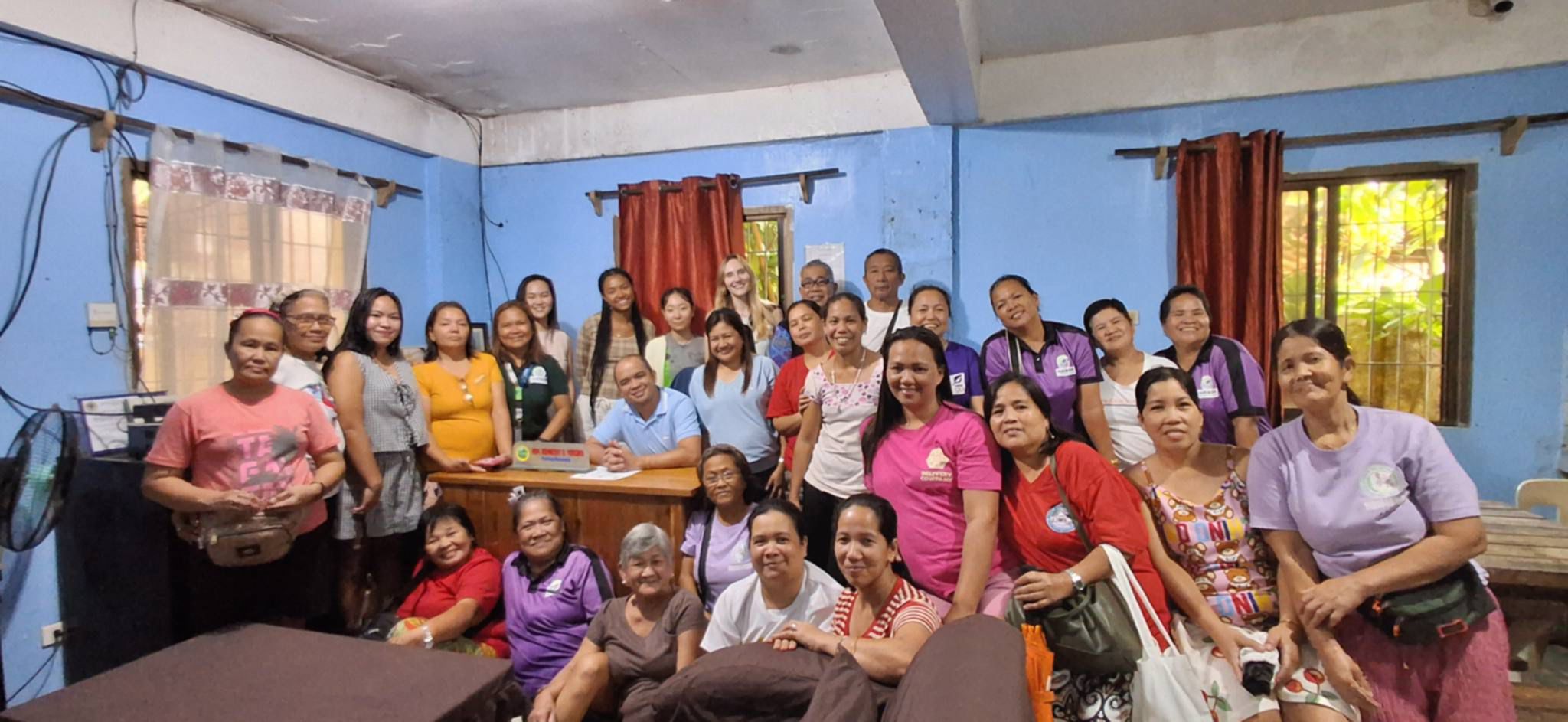
One of the most meaningful moments came on our final day in the community. After our exit programme, where we presented our findings and the KALIPI women shared their preliminary business proposals, we were invited to stay and spend the evening together. This evening was both simple and unforgettable: we shared dinner, tasted a local wine one of the women had generously brought for us and sang karaoke together.
This experience stood out not just because it was fun, but because it created a genuine moment of connection. It allowed us to step beyond our roles as researchers and engage more personally with the women we had been working with. In doing so, we gained a deeper understanding of their perspectives, needs and aspirations.
That evening reinforced the idea that developing sustainable livelihoods is not just about data or plans, but about listening closely and respecting the agency and preferences of the people at the center of the work. By sharing in their daily lives, even briefly, we were reminded that meaningful solutions must be grounded in local realities and built in true partnership with the community.