


Europe is not a finished inheritance. It is a history of choices made, of possibilities pursued and abandoned, and of futures that could not be known in advance.
Geneva is to Europe what Europe is to the world: both a part of something larger and a place from which to see it differently.
No single vantage point can tell us the whole history of Europe. So, what does Europe look like when seen from Geneva?
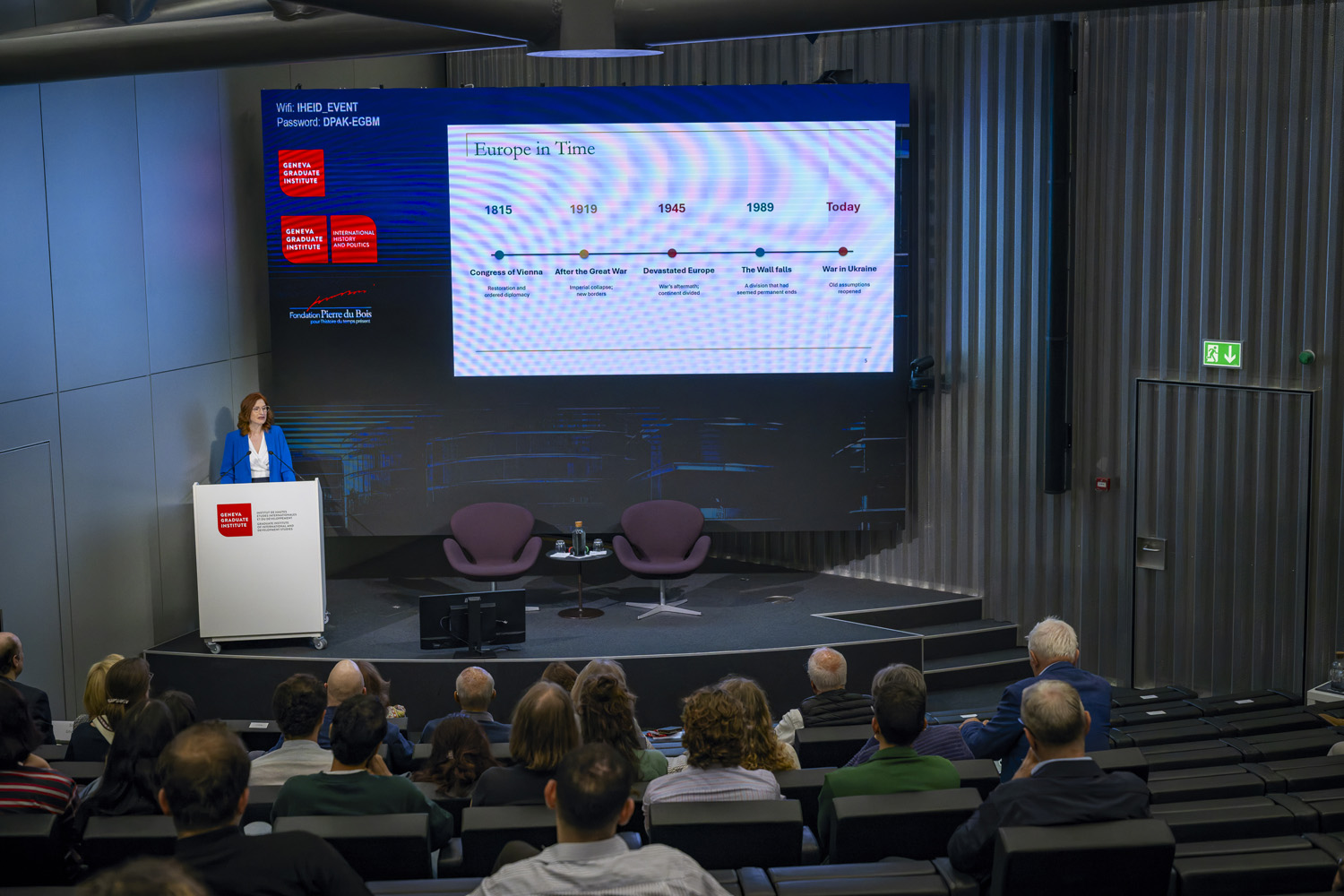
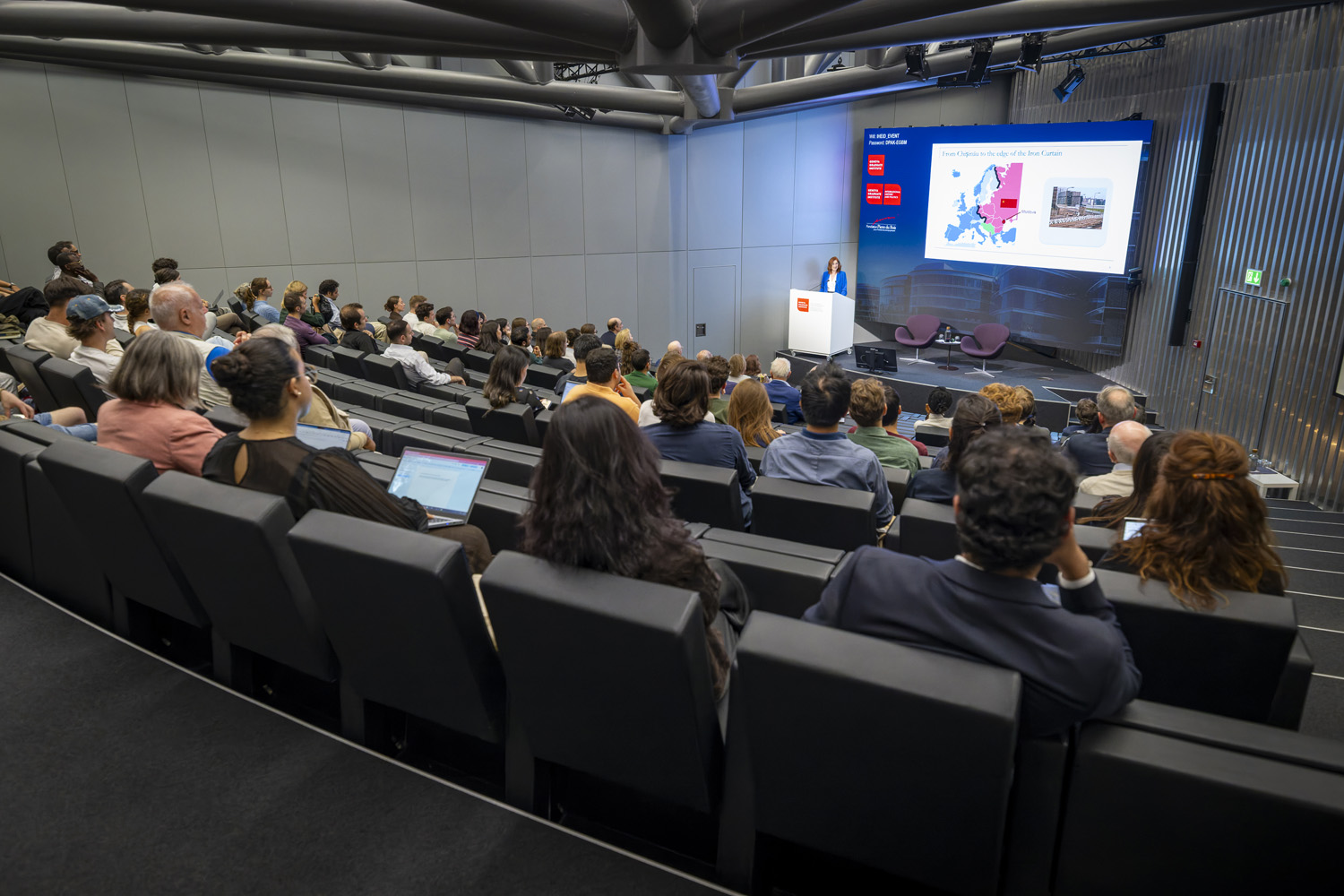
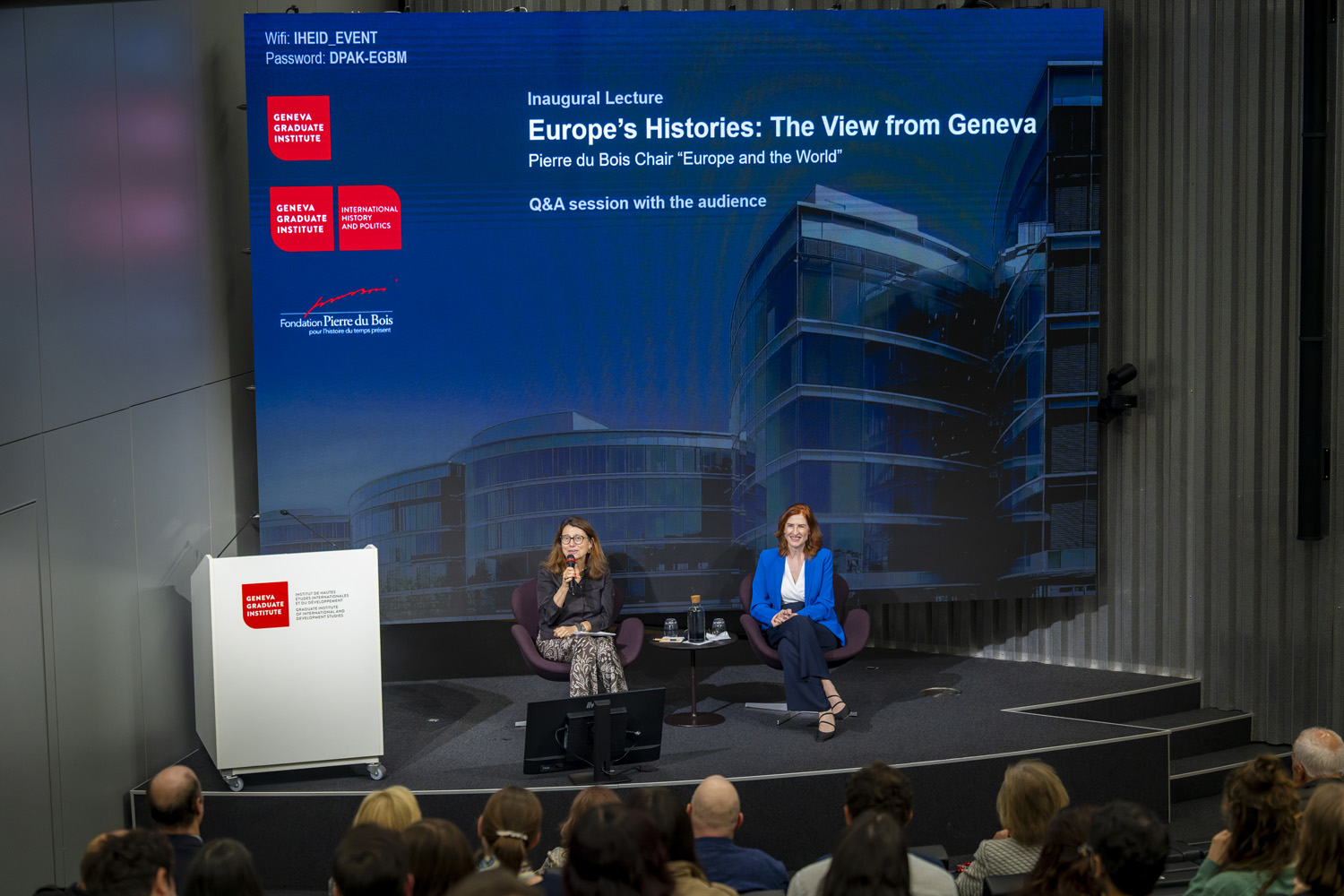
In her inaugural lecture as Pierre du Bois Chair Europe and the World, historian Stella Ghervas explores how Europe has been imagined, framed and reshaped from different vantage points across the continent and beyond. Drawing on Geneva’s distinctive role as the international “Peace City”, she asks how changing perspectives can transform our understanding of Europe—and of its place in the world. The lecture reflects on the maps, borders, ideas and international institutions that have shaped successive visions of Europe, from the eighteenth century to the present.
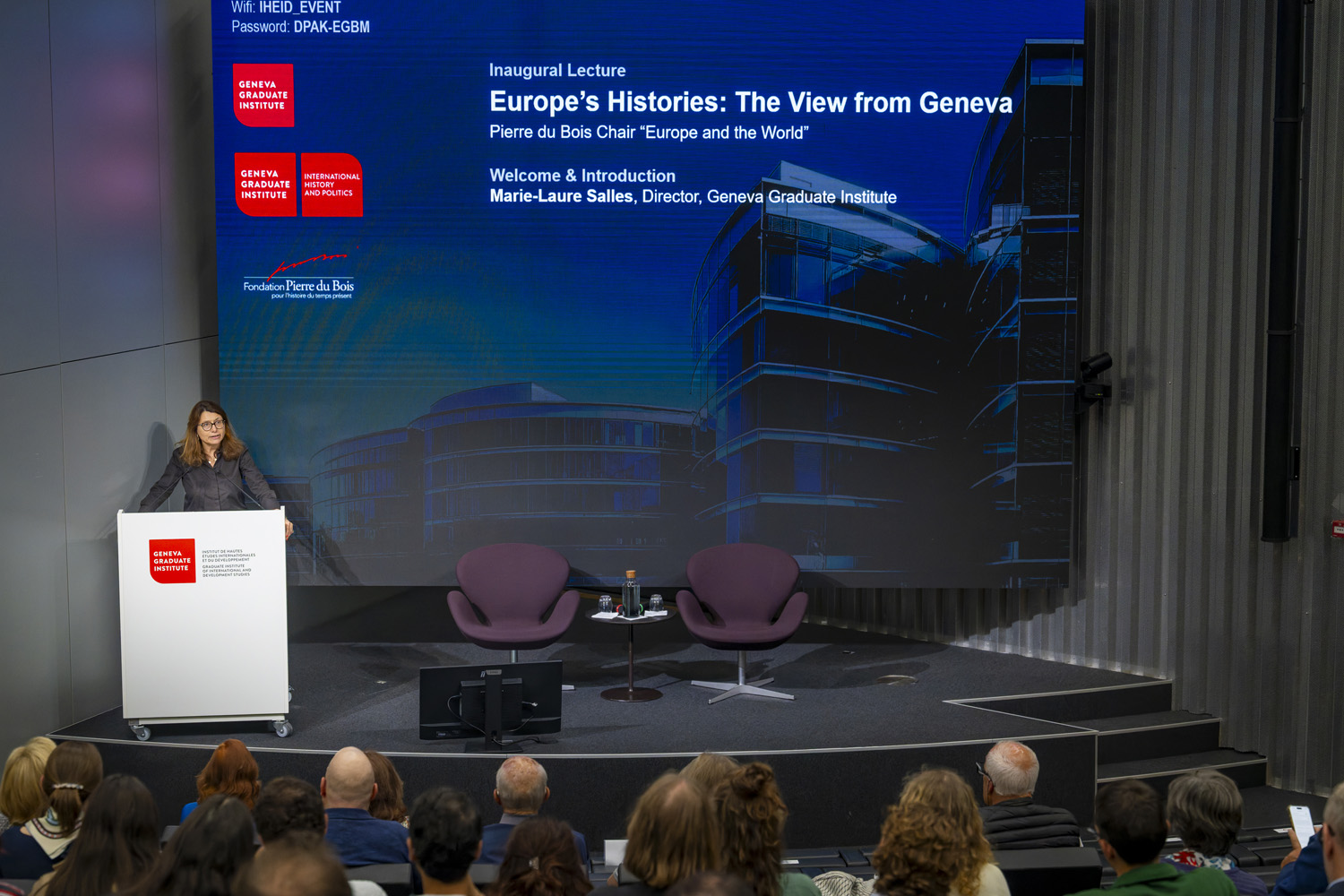
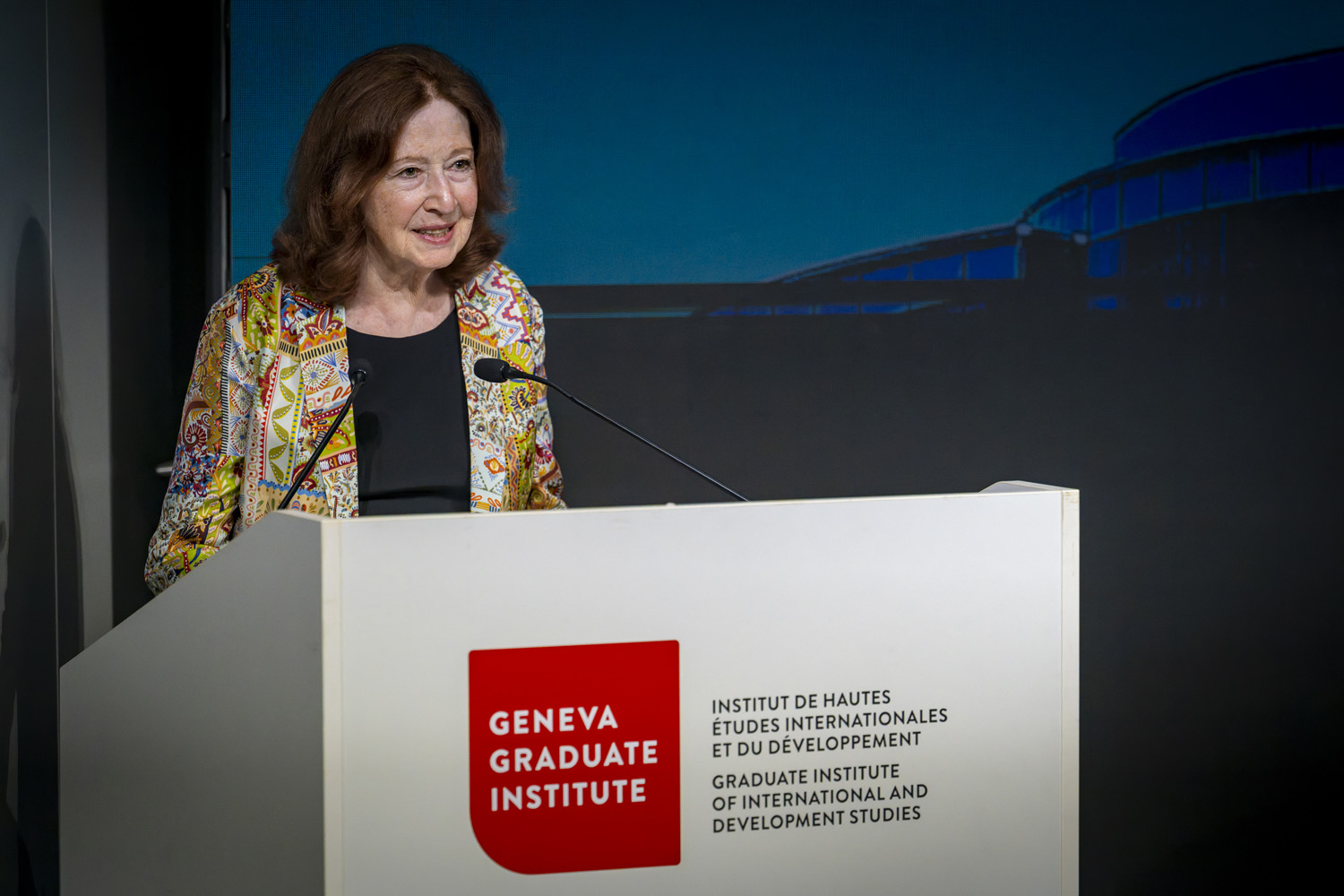
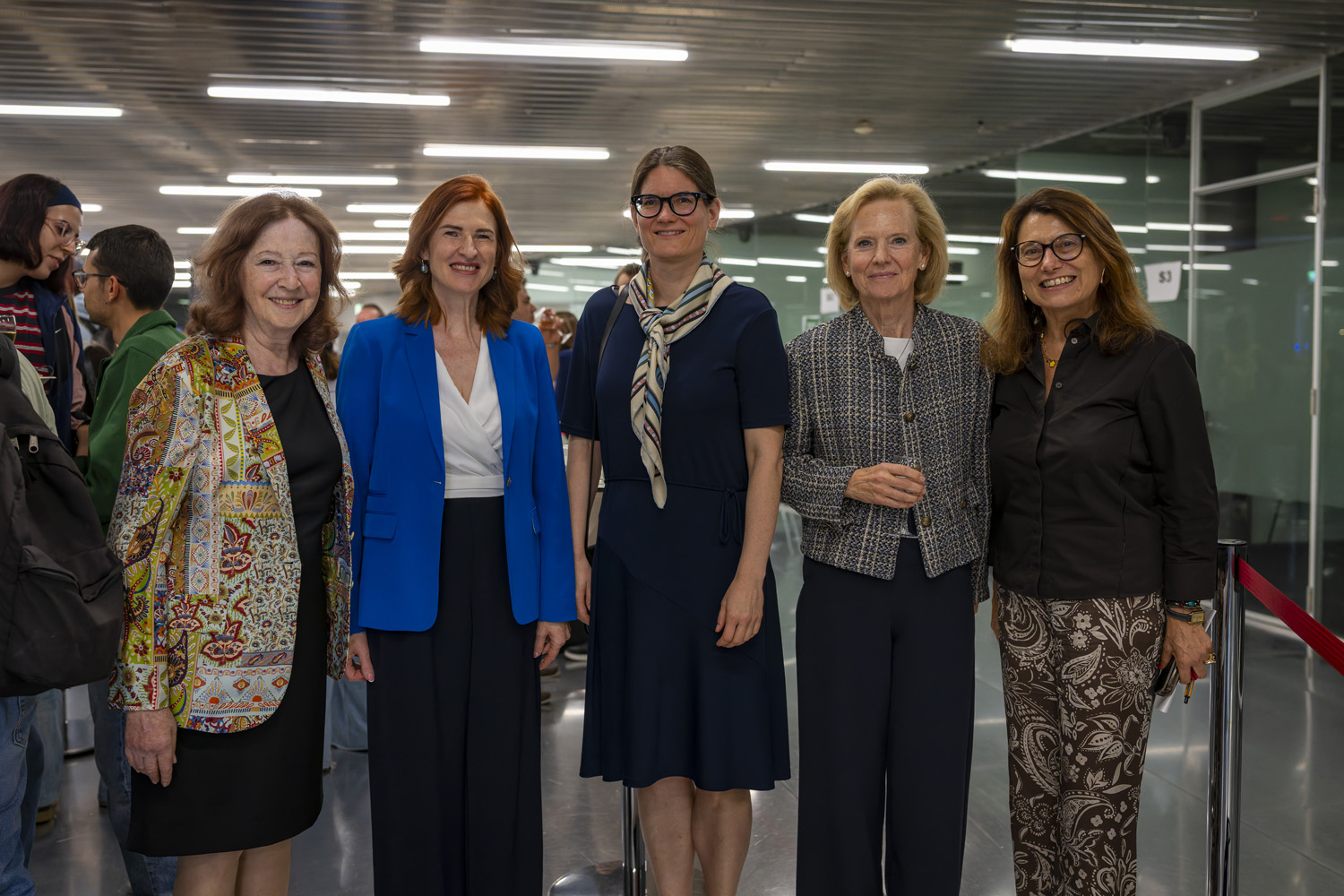
The event opened with an introduction by Marie-Laure Salles, Director of the Geneva Graduate Institute, followed by welcome remarks from Irina du Bois on behalf of the Fondation Pierre du Bois pour l’histoire du temps présent. Stella Ghervas then delivered her inaugural lecture, “Europe’s Histories: The View from Geneva,” followed by a discussion with Marie-Laure Salles and questions from the audience.
Stella Ghervas is Professor of International History and Politics and Pierre du Bois Chair Europe and the World at the Geneva Graduate Institute. She is also the Eugen Weber Chair in Modern European History at UCLA. Her research focuses on European and international history, peace and peace-making, diplomacy, and international (dis)order.