

The event came at a time when the role of international organisations is under renewed scrutiny. Yet in an increasingly fragmented world, these institutions remain indispensable platforms for dialogue, coordination, and collective action.
Rafael Grossi is one of five candidates to be the next UNSG. The three female candidates for the position — Michelle Bachelet, María Fernanda Espinosa, Rebeca Grynspan — came to the Maison de la paix last week for the official debate organised by GWL Voices in partnership with the United Nations Foundation.
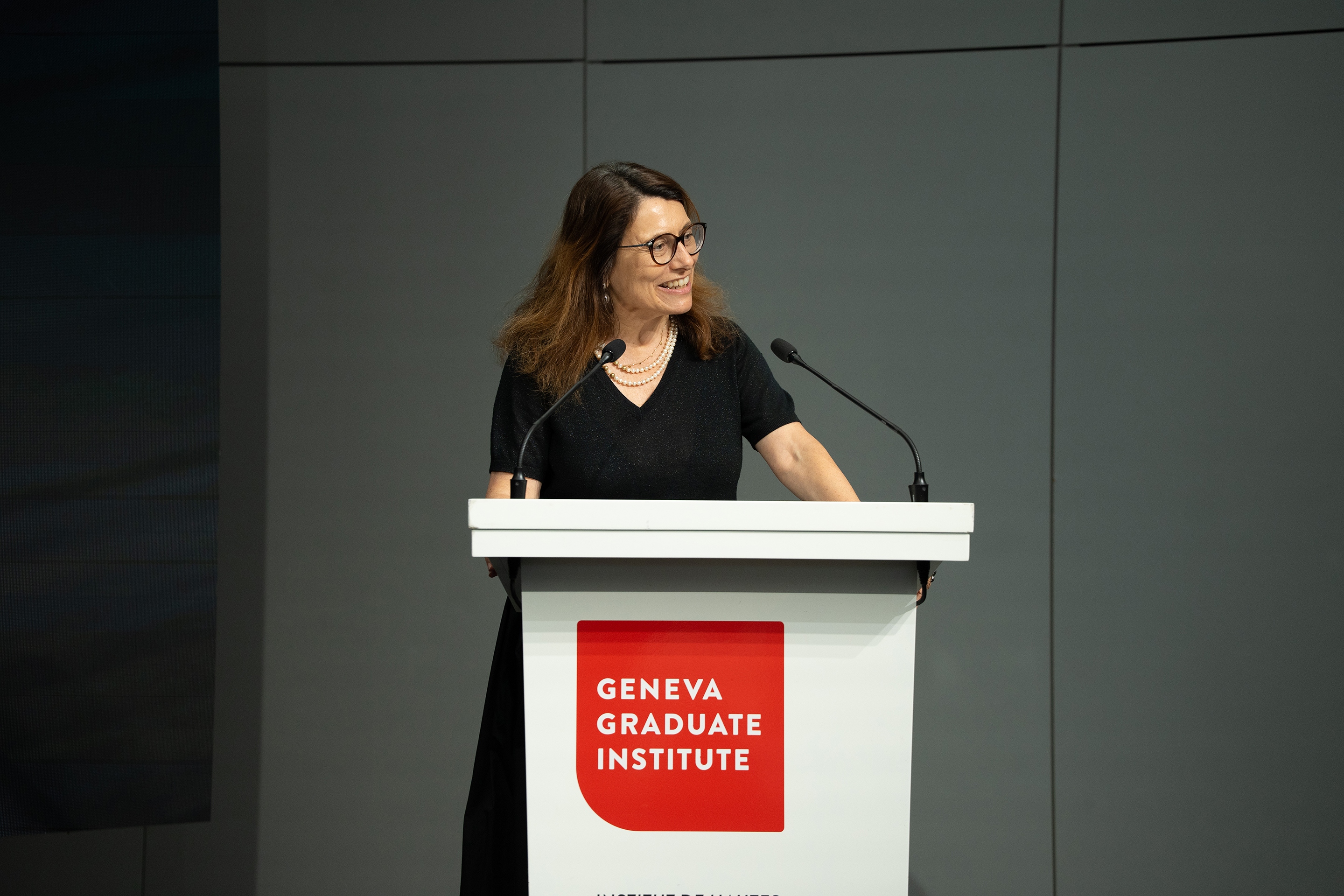
In her opening remarks, Marie-Laure Salles, Director of the Geneva Graduate Institute, stressed the importance of striving for a durable peace “that includes both justice and the stewardship of our planet as a common and transgenerational good.”
She further underscored the urgency of this principle, noting that “it is precisely in moments marked by recurring violence, conflict, polarisation, even war, that we must reaffirm a simple yet fundamental principle: that the ultimate form of human security is peace, not war.”
Grégoire Mallard, Director of Research and Professor in the Department of Anthropology and Sociology at the Geneva Graduate Institute introduced Rafael Grossi, evoking his time at the Institute and his more than forty years of experience in nuclear disarmament.
Rafael Grossi graduated from the Geneva Graduate Institute — then the Institut universitaire de hautes études internationales (HEI) — in 1997 with a PhD in International Relations, History, and International Politics, and spoke fondly of his affiliation with the Institute upon taking the stage, calling it a “badge of honour”:
This place is unique in my heart and in the world. Being here, where knowledge and scholarship meet practitioners in a way that we cannot find anywhere else in the world, is always unique.
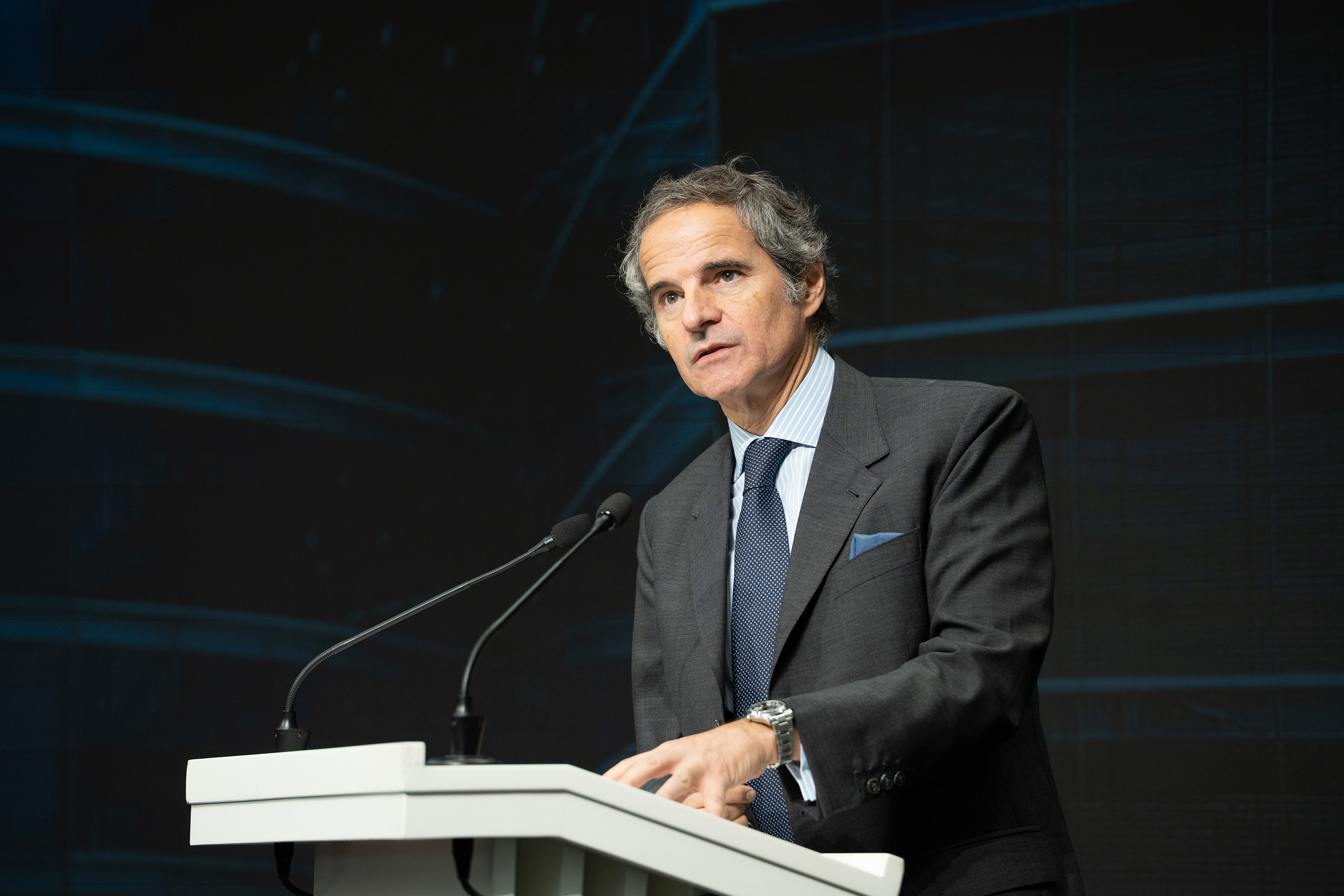
In his keynote address, Rafael Grossi reflected on the critical importance of multilateral organisations and the leadership required to ensure their continued relevance and effectiveness in a rapidly changing global landscape.
Drawing on his experience at the helm of the IAEA, he explored how multilateral institutions can adapt and respond to today’s complex challenges — from political instability and rising interstate tensions to multidimensional security threats that transcend national borders. He also discussed the indispensable role of international civil servants and diplomatic leaders as trusted brokers, capable of creating space for dialogue, rebuilding confidence, and advancing cooperation even amid deep divisions.
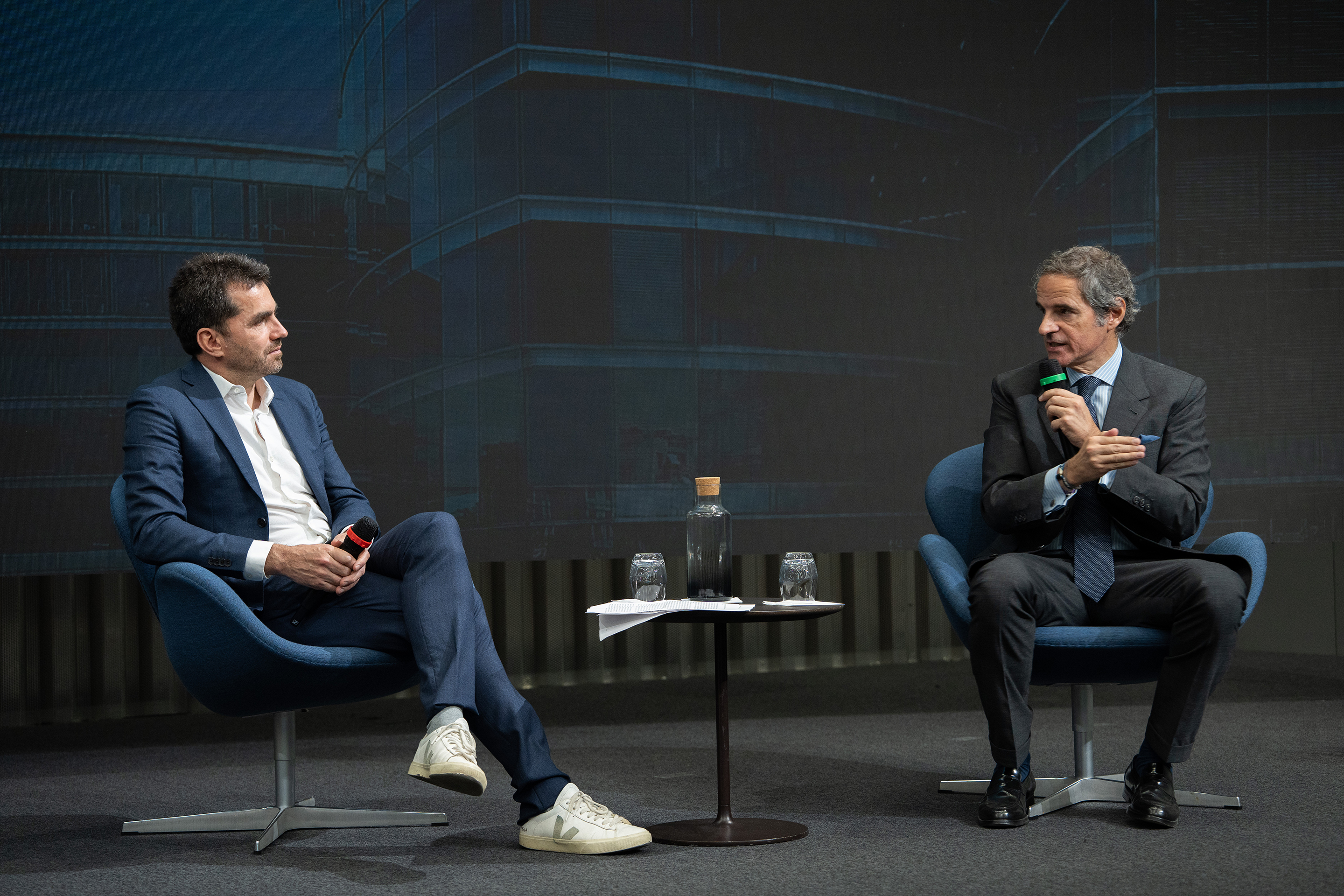
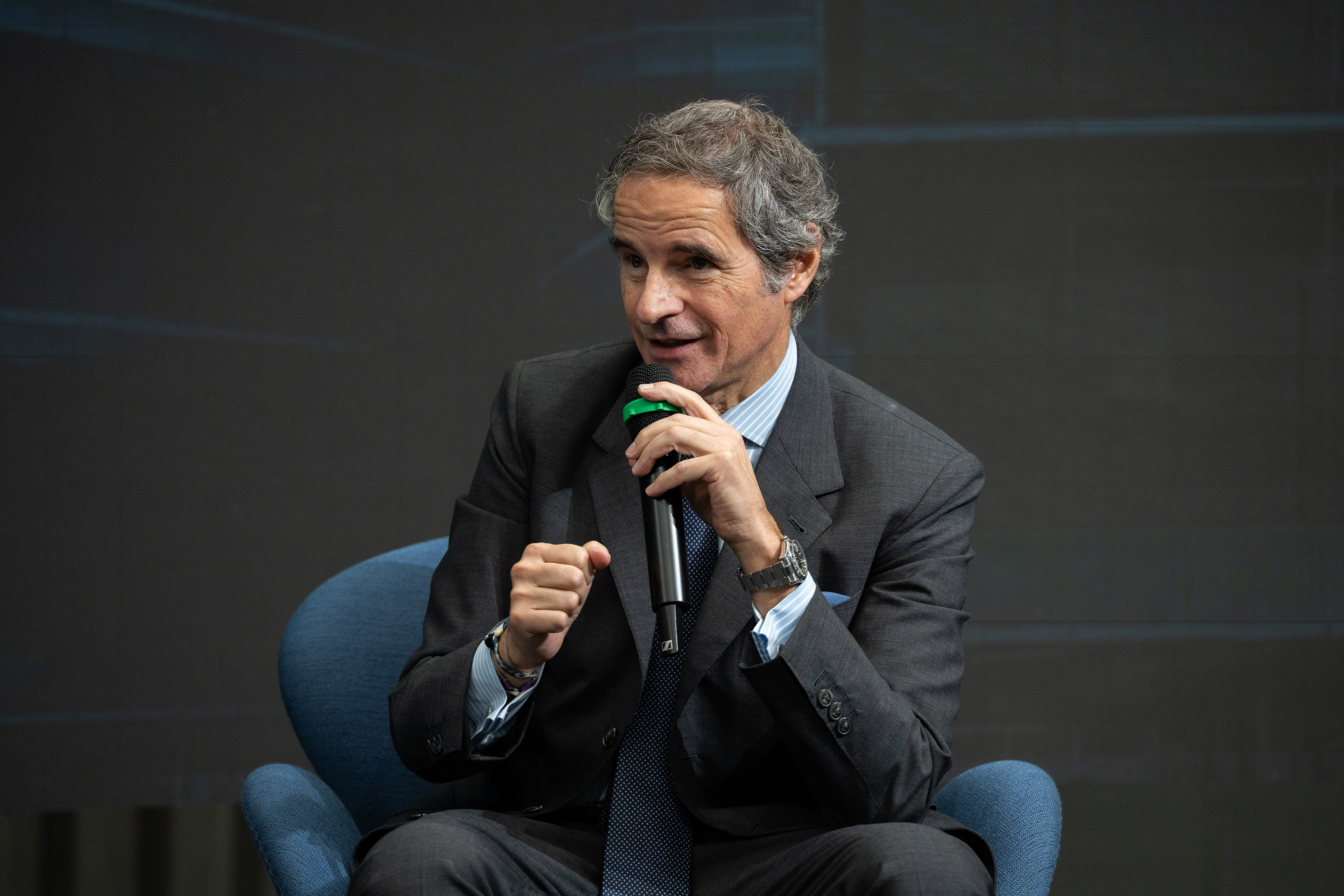
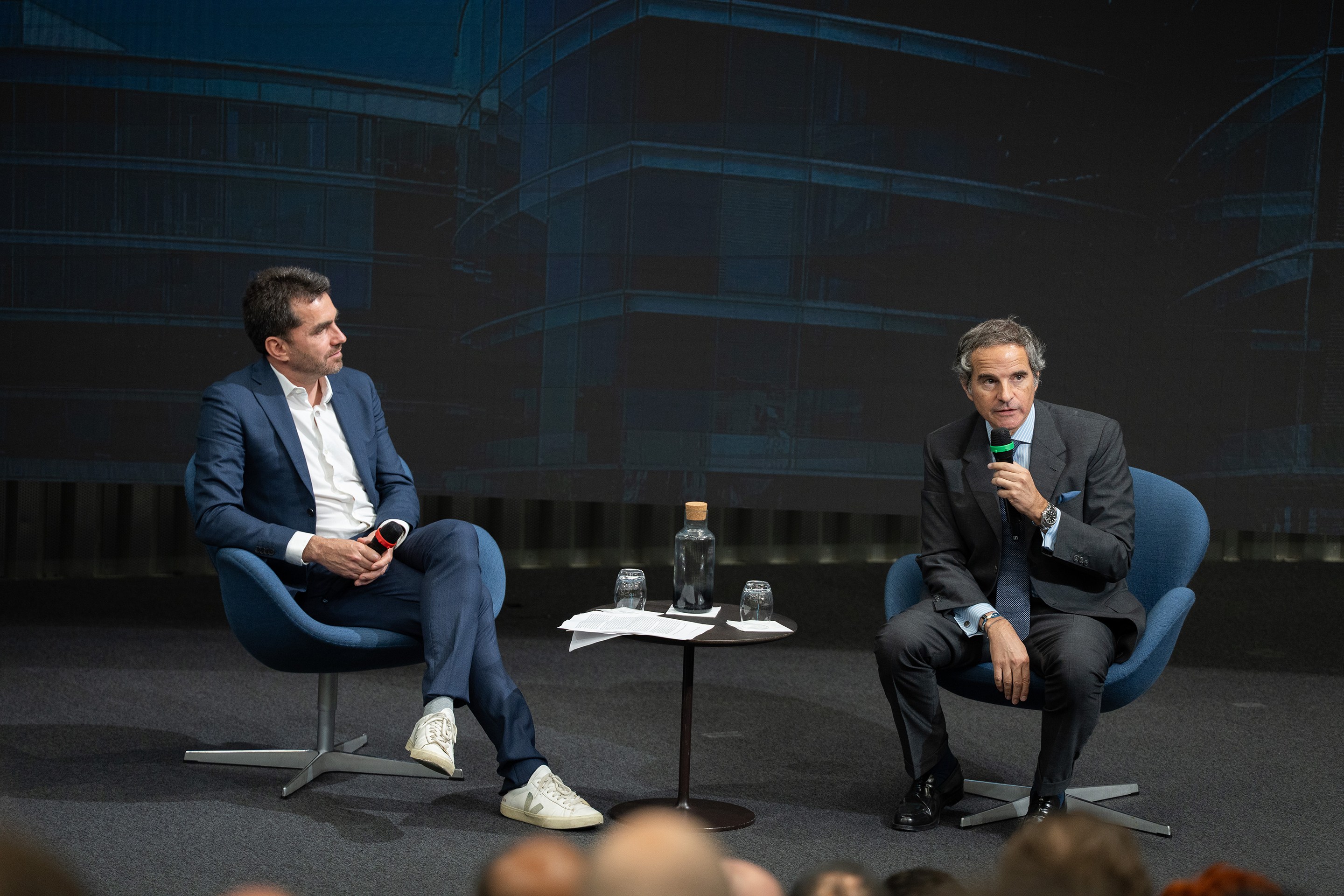
Following his keynote address, Rafael Grossi sat down for an in-depth conversation with Grégoire Mallard, in which they engaged with pressing questions about the future of multilateralism and the qualities of leadership needed to sustain and strengthen international cooperation in an era of uncertainty.
Notably, Rafael Grossi addressed the necessity of reform in bringing the United Nations “back to the table” in key international negotiations and cutting through silos in order to remind the world that the UN is more than a verification agency. Concretely, he spoke of the need for gender reform and gave examples of how the IAEA has gone from having 28% women when he became Director General to 53% today.
The conversation was followed by a Q&A with students in the room, which addressed topics such as the role of private funding in international organisations, the role of nuclear energy in the energy transition, climate change, North Korea, gender rights, and more.