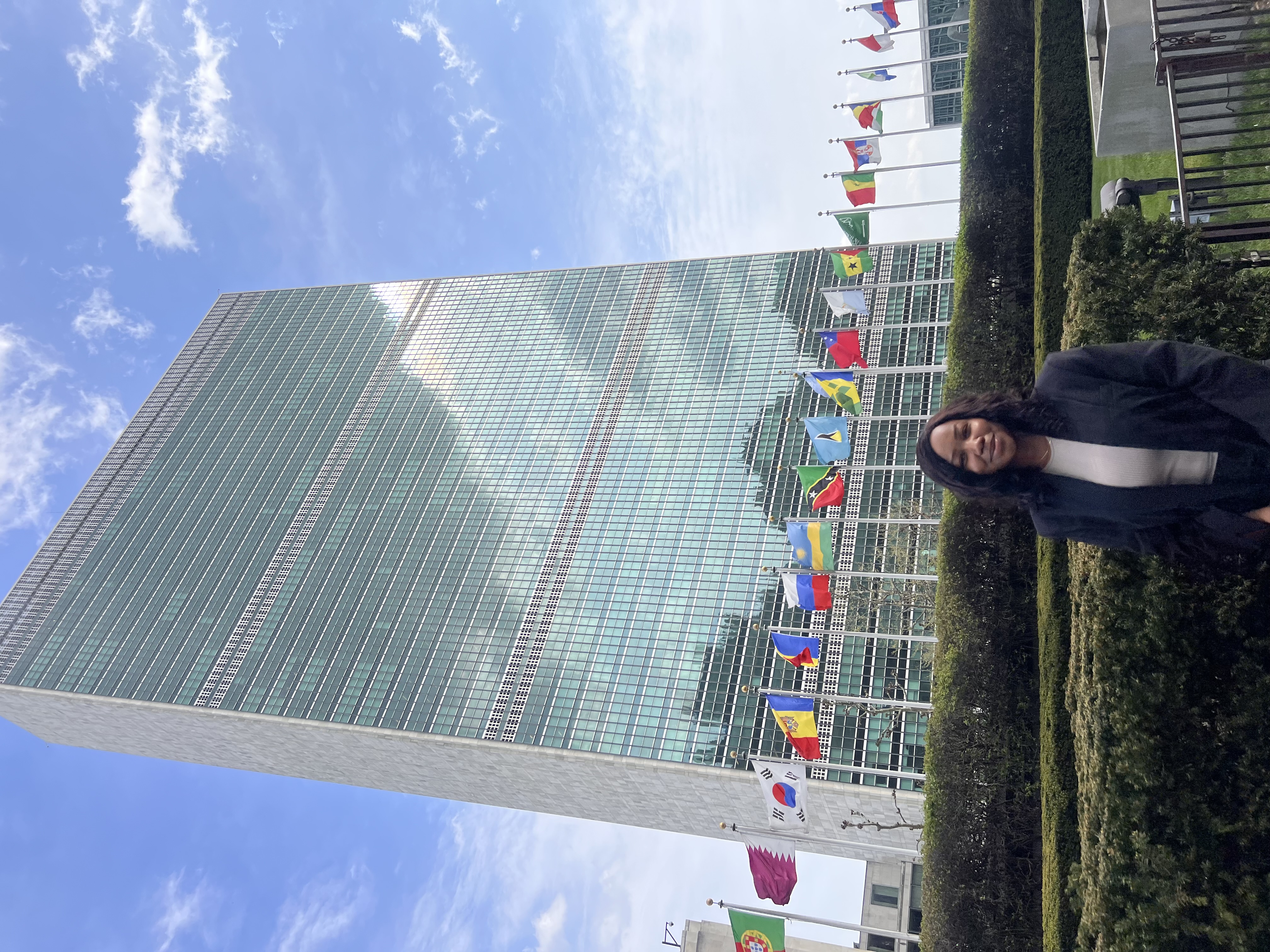
You represented the Institute at the UN Economic and Social Council (ECOSOC) Youth Forum in New York - what issues or themes did you engage with?
I worked on issues related to forced displacement, peace and security, partnerships and financing for development.
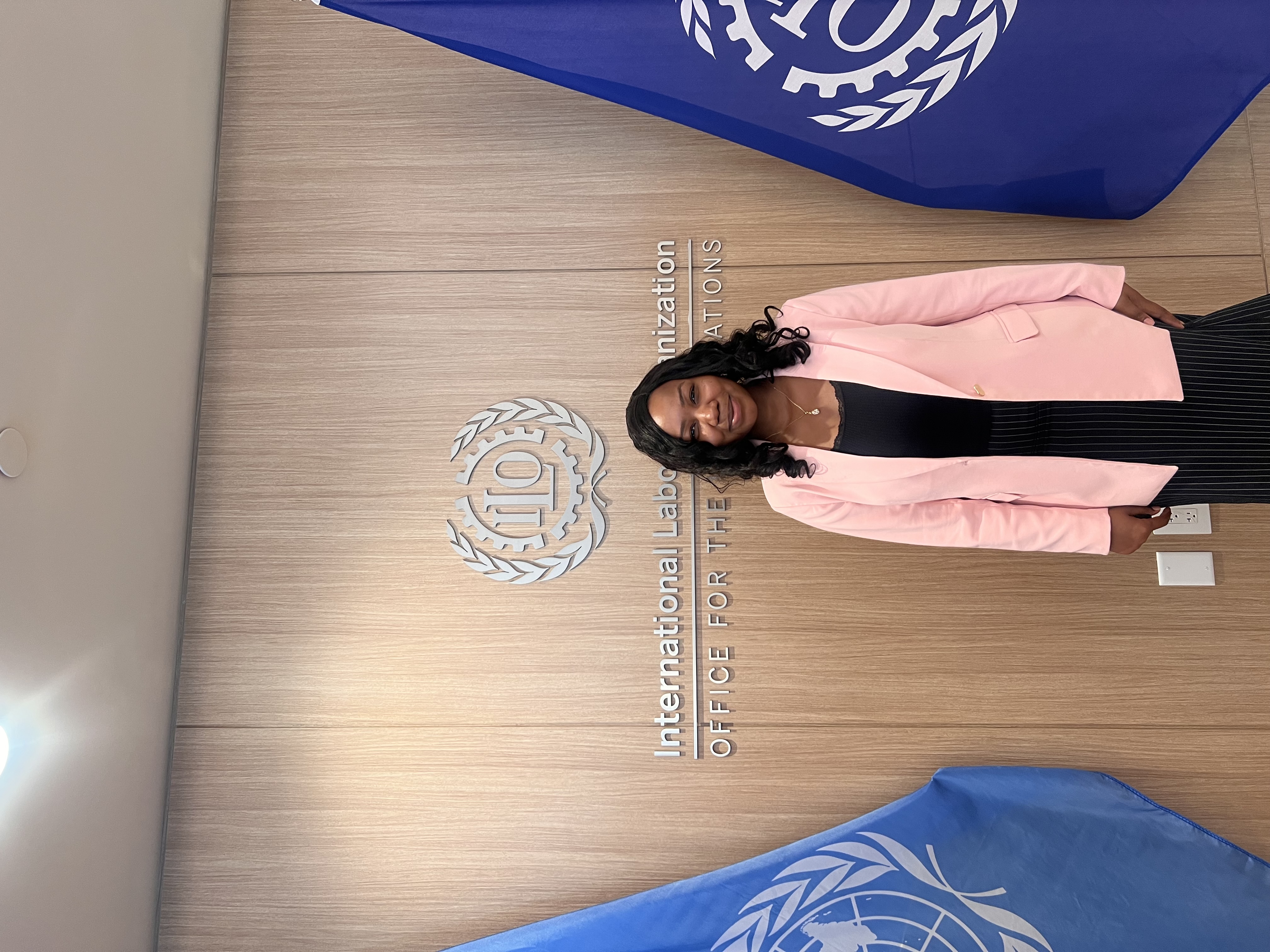
One of the side events I participated in at the ILO Office in New York was titled “Link, Learn, Localise: Working with and for Young People to Advance Self-Reliance in Forced Displacement Contexts". It explored how partnerships and innovative approaches can support young people’s education, skills development and employment opportunities in contexts of forced displacement. Young leaders and refugees delivered heartfelt testimonies, following opening remarks from the Director of the ILO Office in New York and the Ambassador of Kenya to the UN in New York.
I also engaged in a side event on “Youth Voices to the Security Council", during which youth leaders delivered two-minute statements that were submitted to the UN Security Council as part of the 2026 LA Pathway to Peace Youth Declaration. Additionally, I attended several plenary sessions, including interventions on SDG 17 Partnerships and Financing for Youth and the closing session on Youth Mental Health and Well-Being as a Foundation for Sustainable Development.
Engaging with these themes was important to me because they reflect the complex realities that many young people are currently facing worldwide. Whether through forced displacement, barriers to education and employment, mental health issues, or questions of peace and security, youth across the world are navigating increasingly interconnected challenges that require collective and coordinated solutions. The Forum reinforced the importance of creating such international spaces where young people are not only included in conversations, but are also recognised as active stakeholders in creating solutions for challenges that directly affect them.
As Head of the Canadian delegation at the 2026 G7 Youth Summit, what responsibilities did your role involve, and how did you prepare for it?
My role entailed supporting team cohesion within the delegation, fostering collaborative decision-making, and facilitating communication with other G7 Youth delegates, external partners and Young Diplomats of Canada - the Canadian selection committee. In this sense, the role of Head Delegate was less about making decisions alone, but rather about ensuring that each delegate had the space and support needed to fully contribute to their role in the team. A large part of my responsibility therefore involved fostering a positive and inclusive team culture while helping coordinate the delegation’s work ahead of and during the Summit.
Ahead of the Summit, I had the opportunity to meet the Canadian G7 sherpa and present the work of the Canadian Y7 delegation. During the Summit itself, I had additional responsibilities on top of my delegate role, including a Heads of Delegation breakfast and a separate Head Delegates negotiations session for the Communiqué’s introduction.
To prepare for these responsibilities, I relied on a combination of my academic background, professional experiences and previous leadership initiatives. I made a conscious effort to remain inclusive and to consistently seek feedback from my co-delegates, particularly through weekly team meetings and individual bilateral meetings with each delegate. This helped me make sure that everyone’s perspective was integrated throughout the process. Additionally, as I am a native French speaker who previously studied international relations in Paris on an academic exchange at Sciences Po, I was able to easily engage with the French delegation and organisers, build valuable connections and navigate the Summit without language barriers.
These two events brought together young leaders from around the world - how did you contribute to the discussions, and what did you learn from your peers?
At the ECOSOC Youth Forum, a memorable contribution was delivering a formal statement at the side event “Youth Voices to the Security Council”. My statement, which was livestreamed, recorded and submitted to the UN Security Council, focused on moving meaningful youth participation beyond representation and consultation toward more concrete and actionable policy outcomes. I proudly emphasised that youth voices should be heard, valued and genuinely considered in decisions that impact us in the long term.
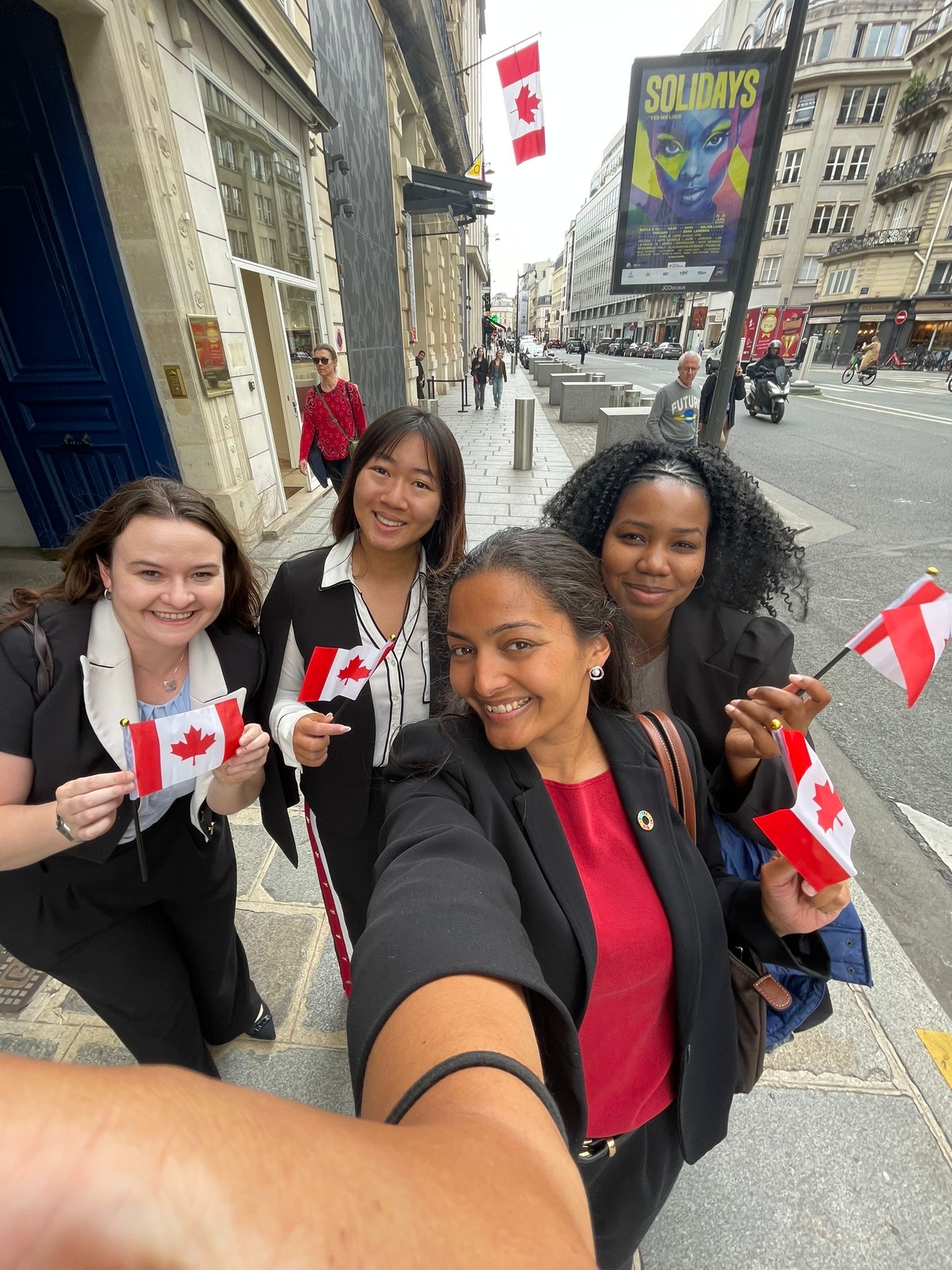
Building on these same convictions, at the G7 Youth Summit, I actively negotiated within the Geopolitical Upheavals track, one of the four tracks of the final Communiqué, alongside delegates from G7 countries and the European Union. I also had the privilege of meeting the Head of Engagement at BNP Paribas, over breakfast with other Heads of Delegation, and negotiating the language of the Communiqué’s introduction. Furthermore, the Canadian delegation had the chance to visit the Canadian Embassy in Paris, where we had a fruitful meeting with senior diplomats and government officials, during which we presented our Y7 Communiqué’s proposals and recommendations on fighting the polycrisis.
As part of the Y7 Summit’s programme for all delegates, I also attended thematic conferences and presentations of the Communiqué to French ministers, notably the Minister of Foreign Affairs. One of the most meaningful moments for me, however, was the signing ceremony. I had the great honour of signing the 2026 Y7 Communiqué as Head of the Canadian delegation, and that moment truly felt like the culmination of months of preparation, collaboration and hard work.
Ultimately, beyond the formal discussions themselves, what I learned most from my peers was the importance of listening to different perspectives and understanding how cultural, political and national contexts shape the way young people approach global issues. Experiencing multilateral negotiations firsthand showed me how much diplomacy relies not only on policy knowledge, but also, and perhaps more importantly, on relationship-building, adaptability and mutual understanding of each other’s cultures and positions.
How has your experience in the MINT programme helped prepare you for participation in high-level forums like these?
The MINT has equipped me with a strong theoretical foundation in international relations and global governance, which significantly helped me when drafting both my statement for the ECOSOC Youth Forum and my policy recommendations for the G7 Youth 2026 Communiqué. In addition, my internships at the Permanent Mission of Canada to the UN in Geneva and at the ILO, both completed during MINT, complemented the theoretical aspect with practical insights and concrete experience officially representing Canada in UN forums and working on G7 and G20 processes.
Moreover, during my first year, I took a workshop on Leadership Skills for Non-Profit Organizations, taught by Francesco Pisano, and the lessons I learned from this workshop truly helped me navigate my role as Head Delegate and reinforced my ability to build positive relationships with fellow delegates and external stakeholders.
More broadly, studying within such a multicultural environment at the Institute prepared me well for the cross-cultural dynamics I encountered both in New York and Paris.. Being surrounded daily by students from diverse backgrounds exposed me to a wide range of perspectives, which proved to be useful for the international and collaborative nature of both events.
Having attended both events, how do you plan to bring those experiences back to the Institute or use them in your future career?
By applying the skills and insights I gained from both events to my final coursework and, most importantly, to my master’s thesis, which focuses on the use of African textiles as a tool of cultural diplomacy in multilateral spaces.
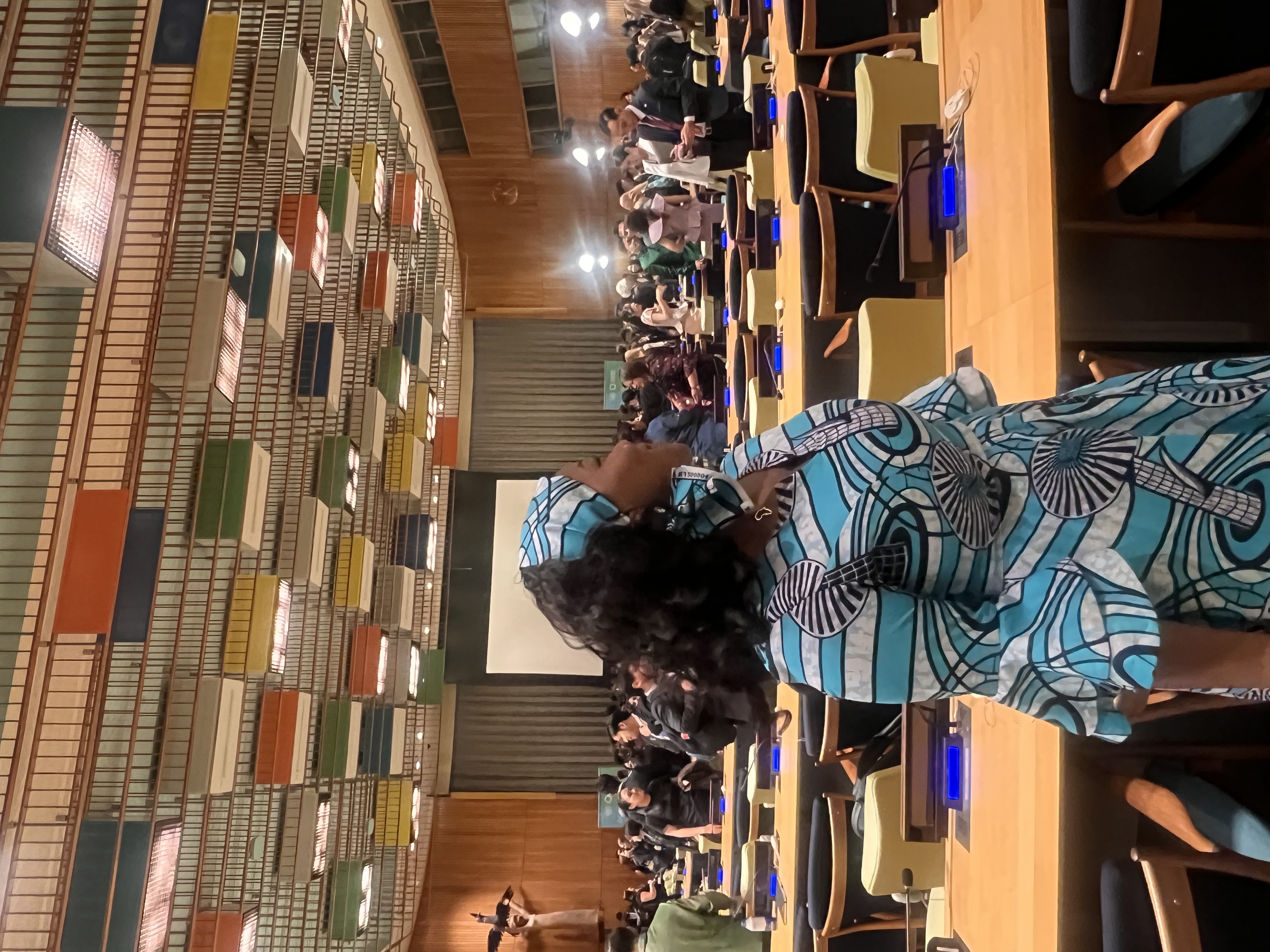
Participating directly in high-level international forums gave me a much deeper understanding of the environments I am researching on. It allowed me to not only analyse multilateral spaces theoretically, but also to experience them firsthand. For instance, during the final day of the ECOSOC Youth Forum, I wore an African wax-print dress and became very conscious of the visibility, representation and identity associated with it within a multilateral setting. In many ways, I felt as though I was embodying my own research question and that experience felt both empowering and affirming. Similarly, at the G7 Youth Summit, I found myself actively engaging in concepts tied to soft power and cultural diplomacy through informal exchanges and relationship-building outside of negotiations. Conversations about Canadian cultural symbols and lighthearted jokes about Canadian politeness became small but meaningful ways of fostering connection and trust with other delegates.
Finally, in terms of my future career, both experiences have reinforced my interest in multilateral processes and international engagement. I hope to continue building on the momentum created through these opportunities by remaining involved in advocacy work, notably through post-Y7-Summit engagement with civil society organisations and international partners.