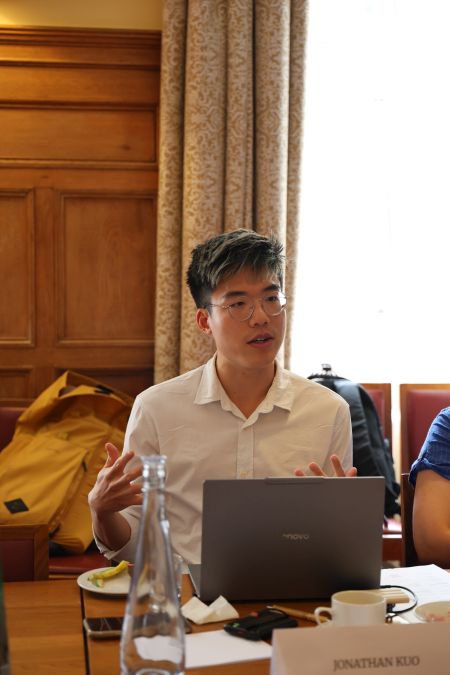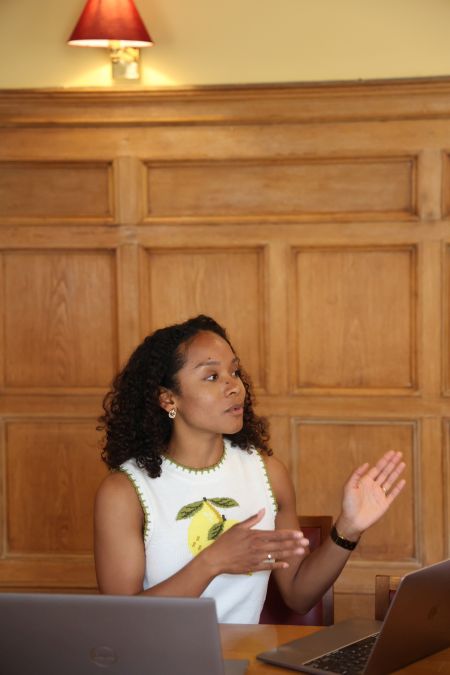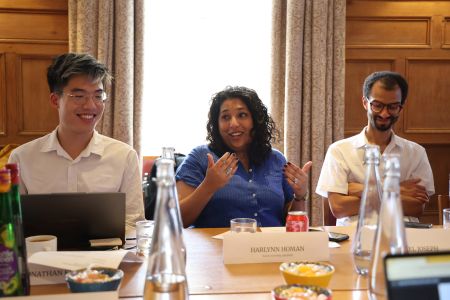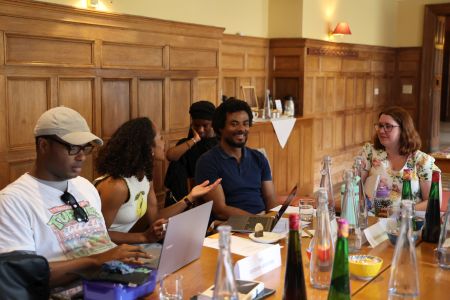



PhD candidate and affiliated researcher to the Gender Centre, Naomi Samake-Bäckert co-organized a workshop on racialized histories of health, healthcare, and medicine in 20th century Britain alongside Che Kelly, a PhD candidate at Queen Mary University of London this past Spring. The workshop, ‘Archives of Care: Black Health Histories in Twentieth Century Britain’ was held at Gonville and Caius College, University of Cambridge on 29 May 2026. The workshop brought together postgraduate researchers and early-career historians and archivists to examine the preservation of the health histories of Black people in Britain from the twentieth century, and to foster dialogue between historical researchers and archivists. The workshop was supported by Dr. Michael Joseph, Assistant Professor of Black British History at the University of Cambridge. It received funding from the Society for the Social History of Medicine and the Swiss National Science Foundation as part of the project RE:SHARE. Race and Ethnicity: Sexual Health and Reproductive Experiences in postwar Britain.
Across two panels, doctoral researchers and early-career scholars presented research on twentieth-century Britain, exploring themes including reproductive health, mental health, nursing labour, and policy responses to the AIDS crisis. Collectively, these papers demonstrated that writing Black health histories requires not only the recovery of overlooked sources, but also new archival imaginaries capable of recognising oral testimony, material culture, community memory, and the experiences of those who did not survive to leave their own historical records. These presentations raised broader questions about the preservation, accessibility, and ownership of Black health histories, which formed the basis of the discussion.
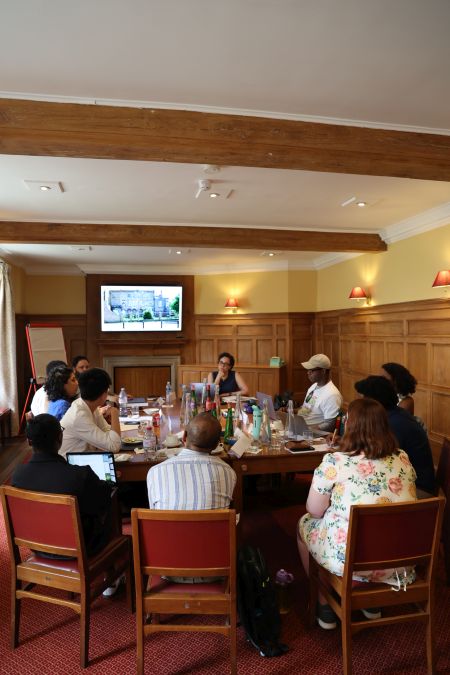
The discussion focused on three key questions: What is the utility and purpose of the community archive? What role and responsibilities do community archives have in serving Black communities in Britain, and how can historians engage with the insights these archives already offer into Black health and healthcare experiences? Finally, participants reflected on the current challenges facing the preservation of Black health histories and considered strategies for ensuring their survival for future generations.
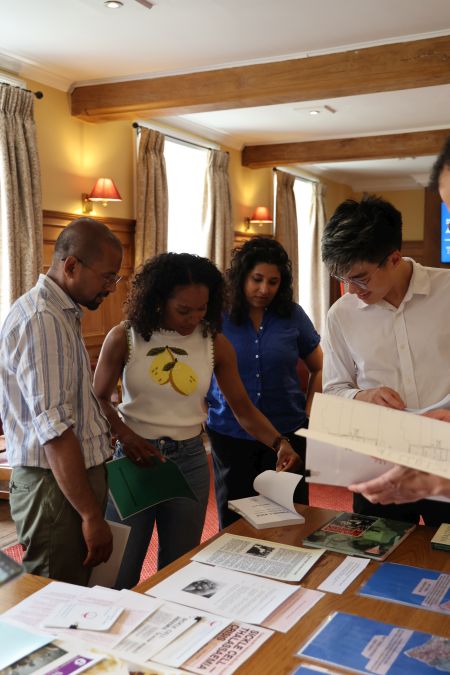
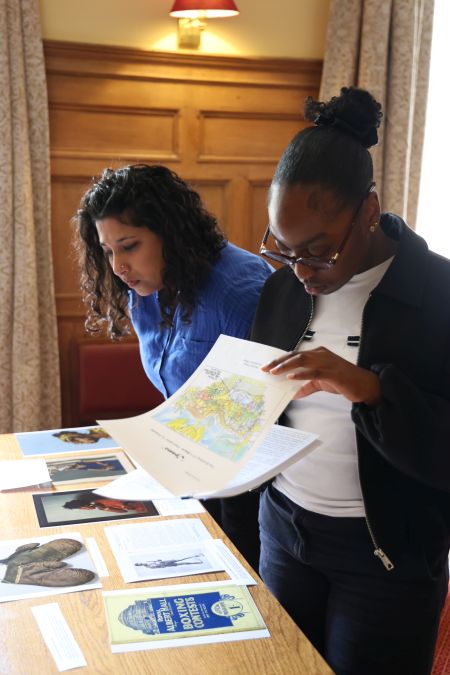
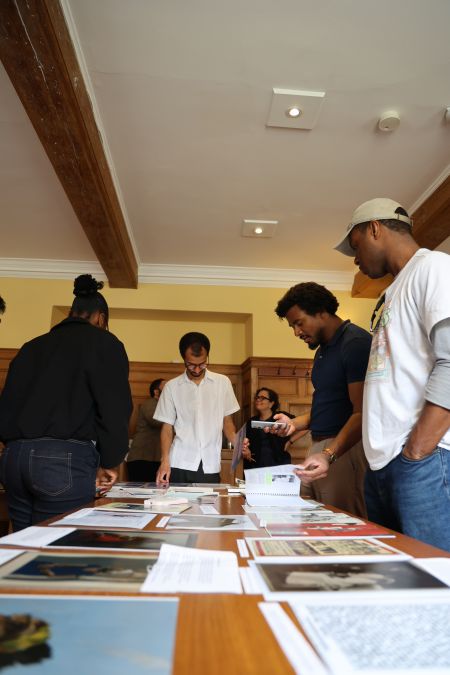
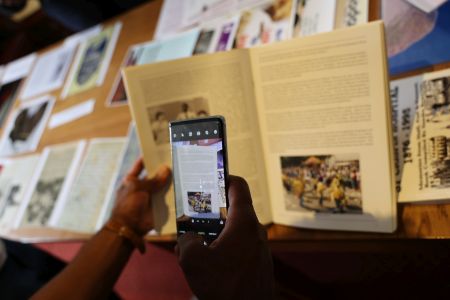
The afternoon session brought presenters into closer engagement with activist and community archives through a mini-exhibition of sources from the Black Cultural Archives, Serendipity Institute for Black Arts and Heritage, as well as materials drawn from presenters’ own research collections. This created an opportunity for dialogue between presenters and archivists, highlighting the value of connecting historians with professional archivists and community-based archival practice in the production of Black health histories.
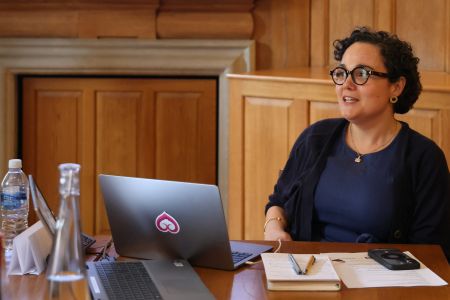
Following on from the mini-exhibition, the day concluded with a roundtable discussion moderated by Dr Hannah Ishmael (King's College London), whose work sits within critical archival studies, with a particular focus on Black-led and community archives, decolonial archival practice, and the relationship between archives, race, and knowledge production. The discussion brought historians into conversation with archivists from Serendipity Institute for Black Arts and Heritage and the Black Cultural Archives, centering the question of how Black health histories might be preserved, interpreted, and cared for in partnership with the communities to whom they belong.
All photographs were taken by Francesca Nyakora, francesca.nyakora@aya.yale.edu