

Tiffanie Laborie-Bousquet has recently been awarded $10,000 by the Projects for Peace for her project GeoPasture.
Projects for Peace is a global initiative that encourages young people to design and implement creative, community-centred projects aimed at building sustainable peace and addressing pressing social challenges around the world. Each year, participating colleges and universities nominate students whose proposals are selected to receive grants—typically USD 10,000—to support the implementation of their projects during the summer. The programme was inspired by philanthropist and Institute alumna Kathryn W. Davis’s vision of empowering youth to take an active role in peacebuilding and social innovation, and it supports initiatives that promote dialogue, reconciliation, conflict resolution, and positive community impact. This funding opportunity is offered every year and open to all Masters’ students.
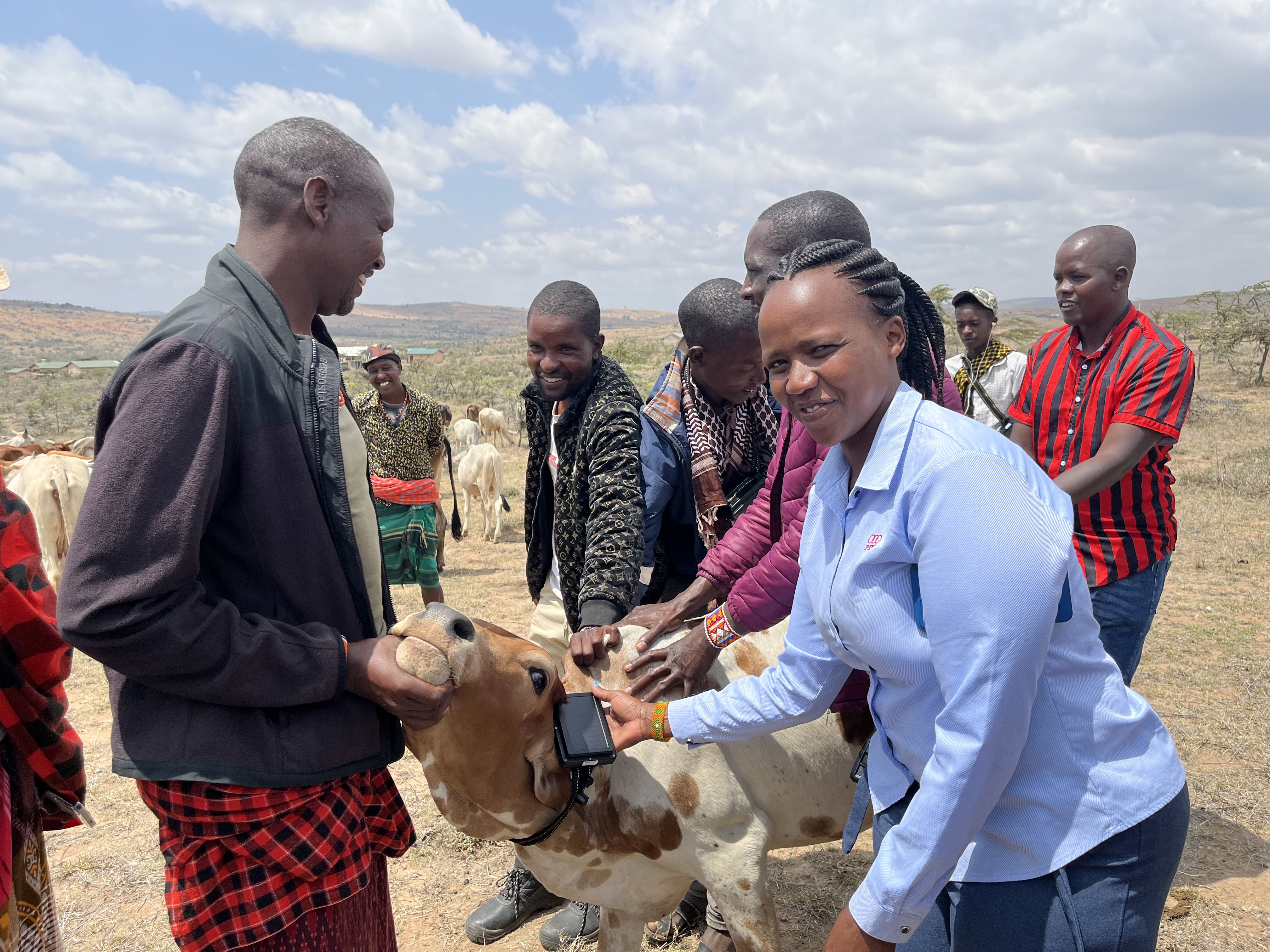
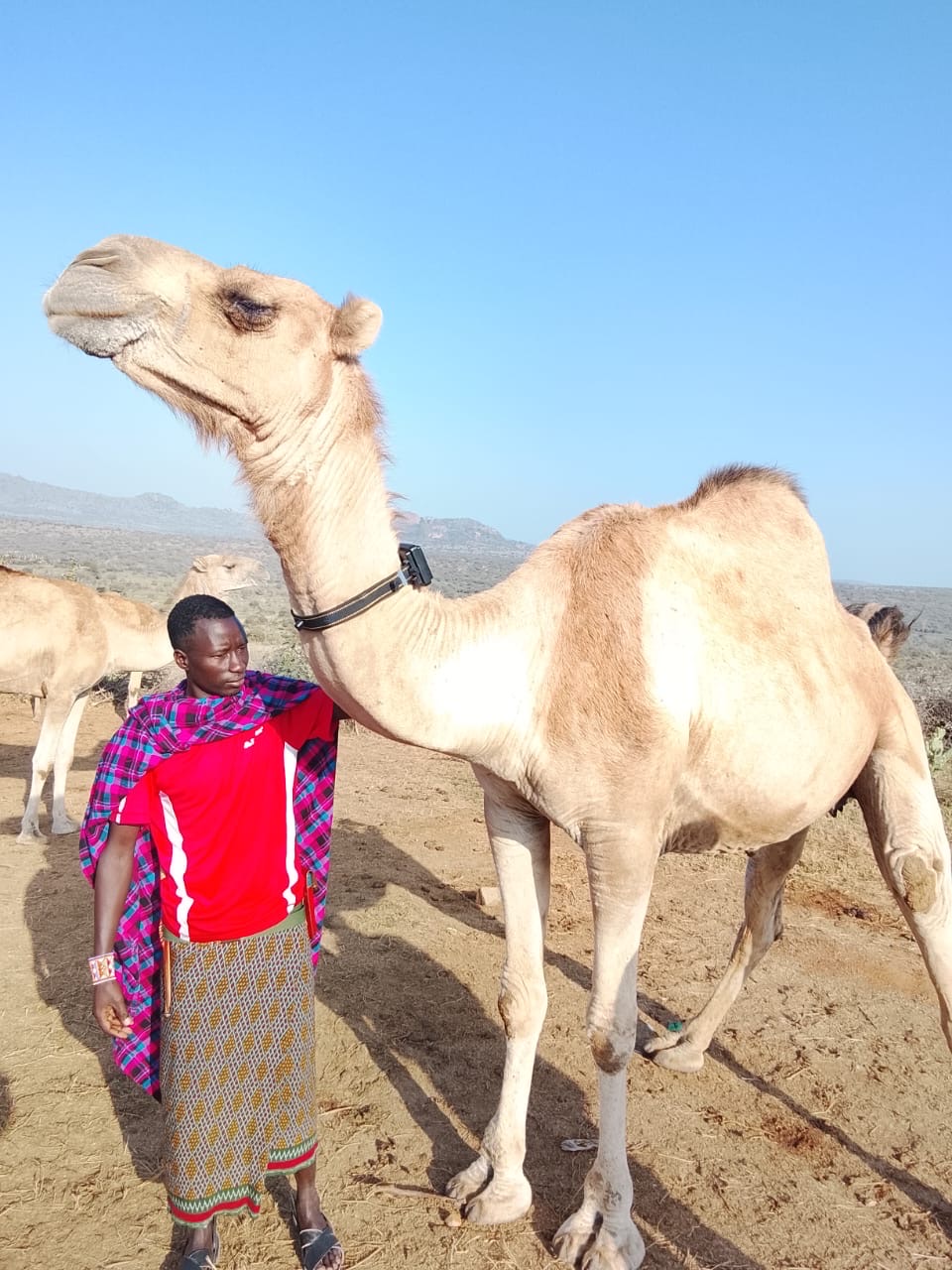
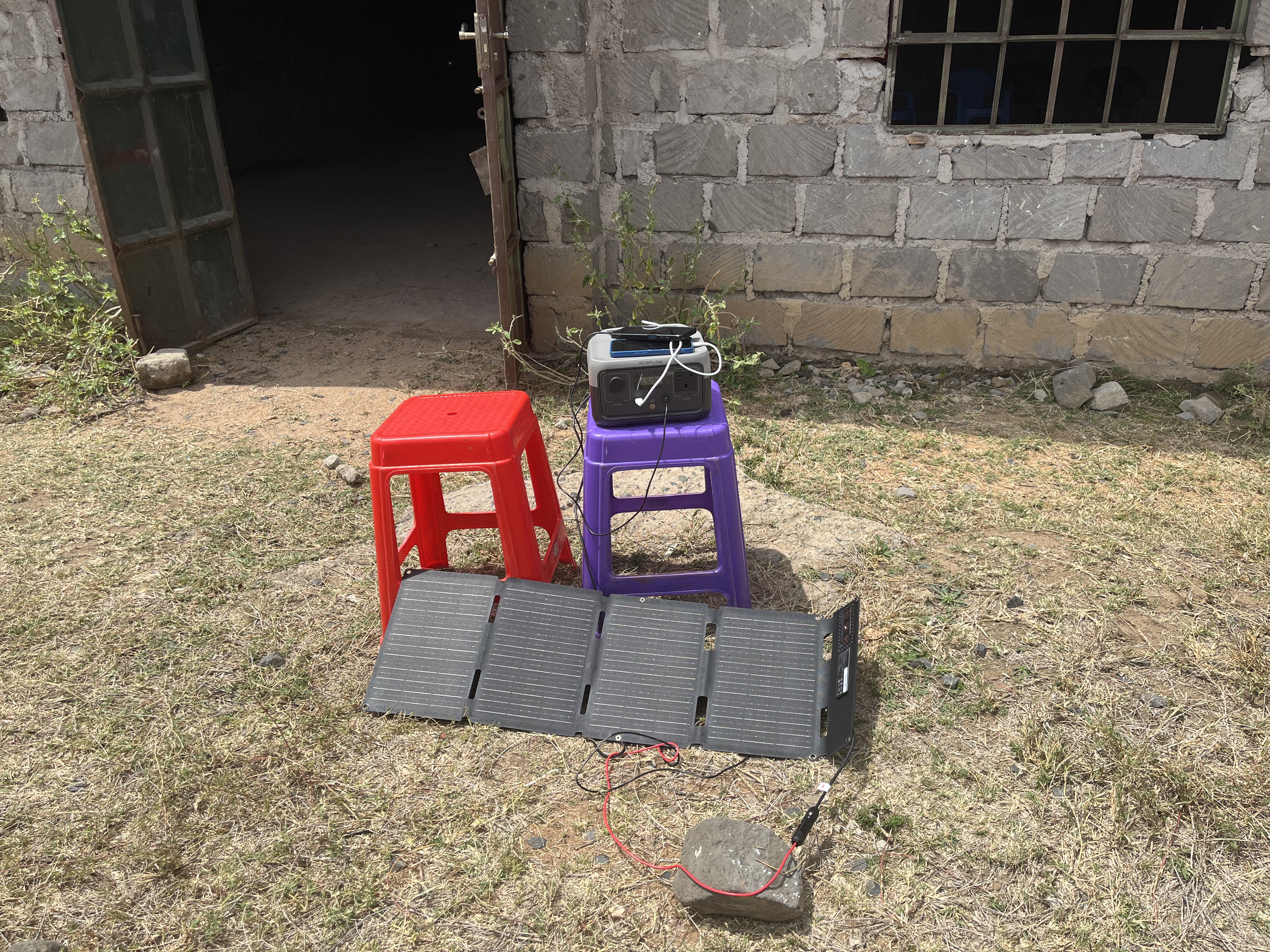
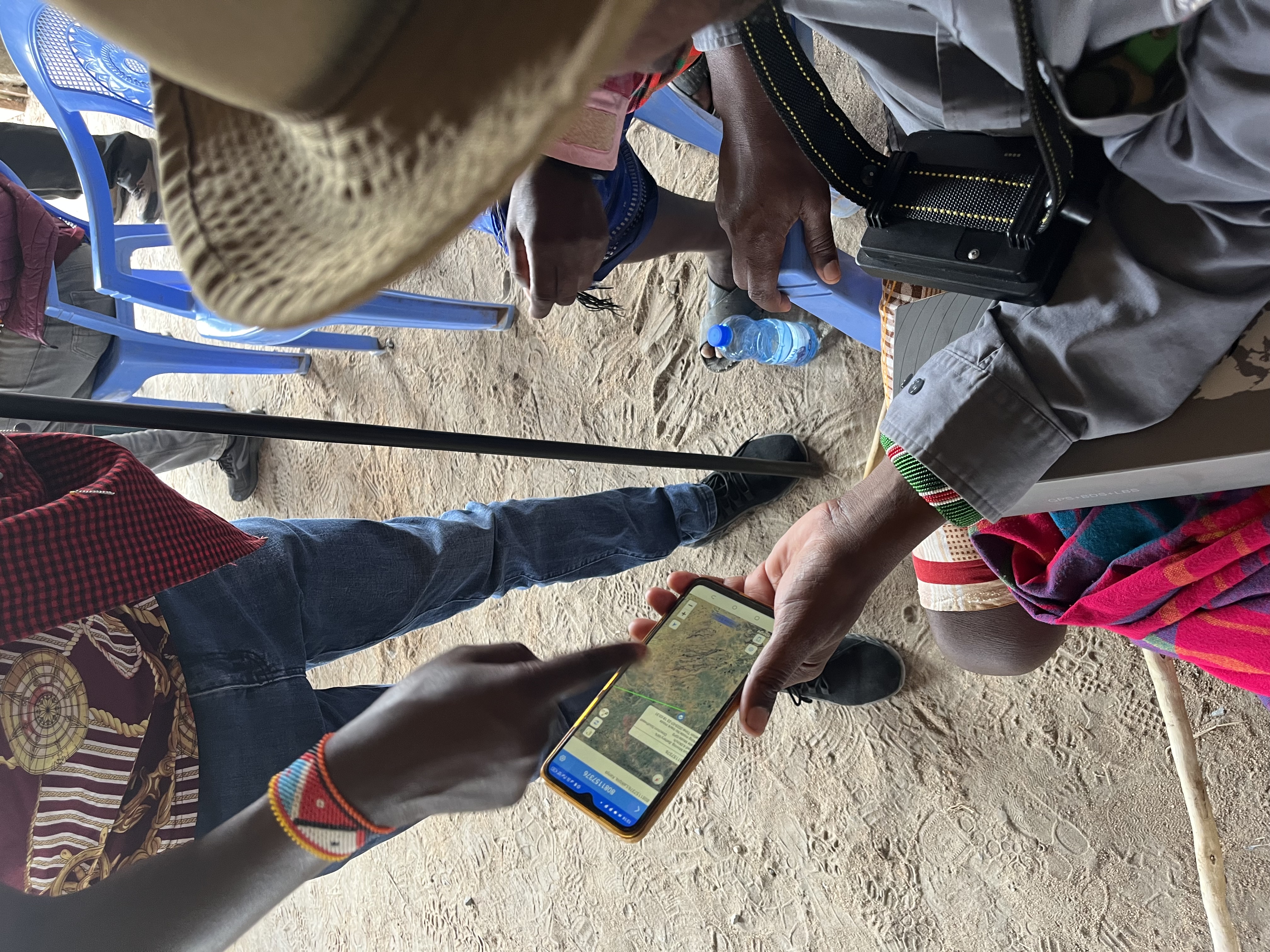
GeoPasture is a community-led project in Laikipia, Kenya that uses solar-powered GPS tracking and a mobile platform to support pastoralist livestock mobility and early warning. The goal of the initiative is to strengthen food security, economic livelihoods and reduce climate-related conflicts.
Could you tell us more about the experience?
I feel extremely grateful to have been collaborating with the Indigenous Movement for Peace Advancement and Conflict Transformation (IMPACT) Kenya and the Indigenous People’s community that have given us grace, patience and understanding while we developed the project. Working on big topics, such as climate, peace and food security means understanding that locally-owned solutions are at the foundation of any long-term, positive change.
Could you outline the logistics before, during and after the implementation?
I co-designed the intervention with IMPACT Kenya, an Indigenous-led NGO rooted in self-determination and collective reclamation of rights, based on their needs and current challenges, including climate change, resource scarcity and animal theft. I learned basic Kiswahili prior to going in order to be able to understand basic conversations. In Nairobi, I connected with the Embassy of Switzerland in Kenya and Interpeace to seek expert guidance for the implementation. I teamed up with six Computer Science students at Jomo Kenyatta University of Agriculture and Technology, a leading institution in digital innovation for climate and agriculture, to work on GeoPasture, which was pilot tested during the project period.
Once we arrived in Nanyuki, Kenya, we drove to the field and stayed in Twala, Laikipia, where a group of women entrepreneurs hosted us in traditional Maasai houses, manyattas. What an experience that was! Going back to Twala and eating homemade ugali, rice, sukuma wiki and githeri around a bonfire with the team at night was definitely one of my favorite moments. At work, after numerous conversations, trainings and demonstrations, we are still able to keep in touch via a WhatsApp group to trouble shoot any issues directly and trained focal points within the community and organisation to monitor usage of our app and solar-powered animal GPS devices.
What do you find was essential to the project’s success?
The people are always what makes or breaks an initiative. Free, Prior and Informed, Consent (FPIC) processes and people-centered approaches are not box-ticking exercises, they are what make both the project and the solution legitimate, workable and sustainable. What struck me most was the way traditional development methods measured impact: it cannot be measured by scale and numbers alone, but from its relevance to local realities and community ownership.
I also found that climate-related interventions are inseparable from conflict dynamics. Resource scarcity, mobile patterns, food security, economic livelihoods and access to information are deeply political and solutions must be sensitive to these realities to avoid exacerbating tensions.
What was one key takeaway from this experience?
Communities are not passive beneficiaries, but active experts of their environment. Traditional knowledge systems have been practiced and perfected over millennia to anticipate risks and solutions. Therefore, digital solutions should not replace traditional knowledge systems, but rather serve as tools to support, protect and amplify them. Technology is most effective when it informs decision-making rather than overriding it.
What is next for you and the project?
We are expanding this project to other parts of Kenya and East Africa for now, and we are working on integrating it to the agenda of International Year of Rangelands and Pastoralists (IYRP) 2026, an initiative led by the United Nations Food and Agriculture Organisation (FAO).