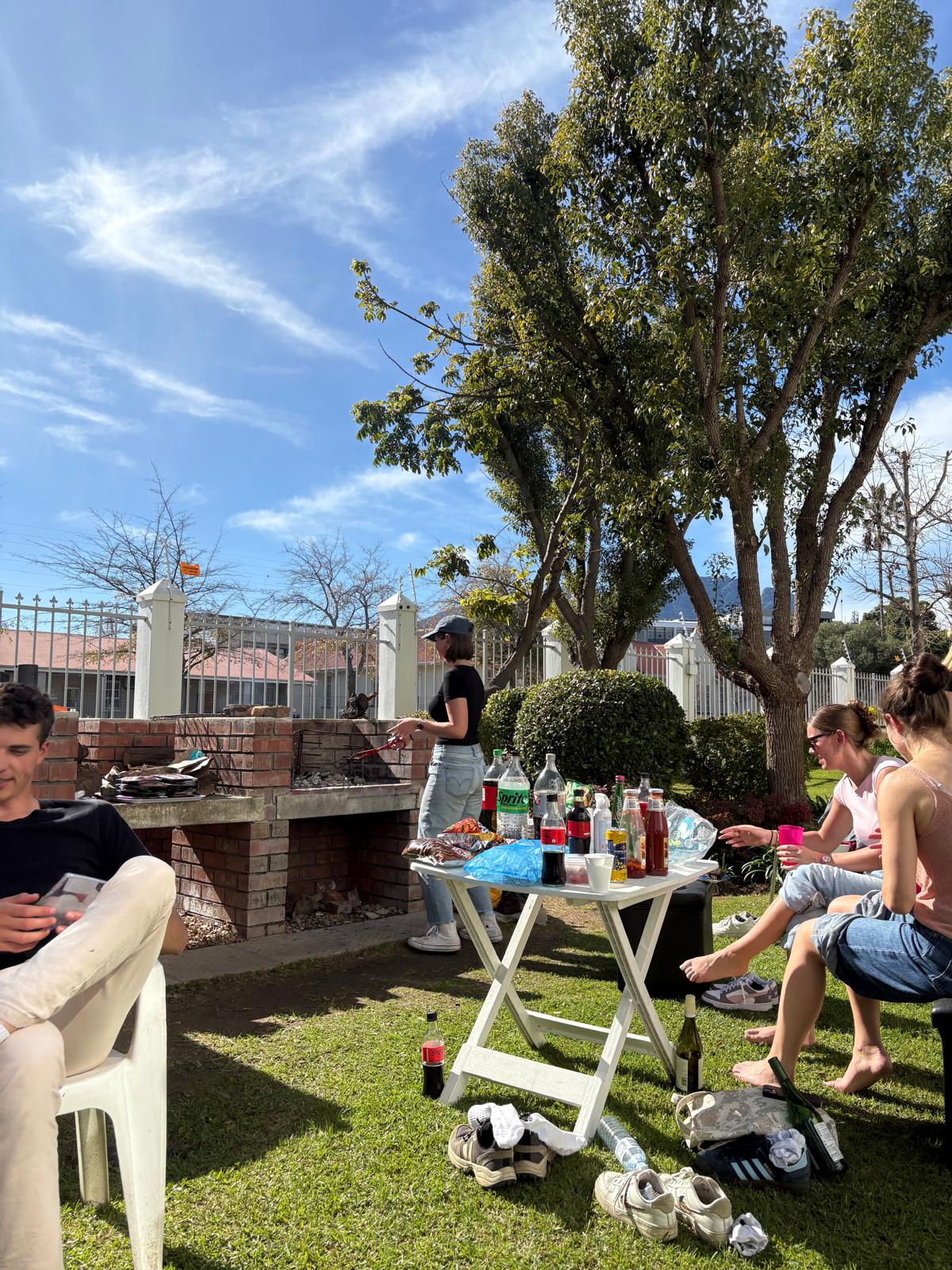


‘“Howzit, welcome to Mzansi!” were the first words I heard as I stepped off the plane after a 15-hour journey from Scandinavia to South Africa. Looking back, that was my very first encounter with the warmth and hospitality that would define the six months I spent on exchange at Stellenbosch University. When people think of South Africa, associations often turn to the legacy of apartheid, figures like Nelson Mandela, or perhaps the 2010 FIFA World Cup. If you’re into rugby, you know (and fear) the Springboks. If not, you’d better get used to cheering on the team over a braai with boerewors, biltong, and an ice-cold Castle Light — an irresistibly addictive combination. South Africa is a nation that has endured turbulent times and currently faces serious challenges, including economic inequality, alarming levels of gender-based violence, and corruption. Yet you can feel the optimism and positivity of its people, and it shines through in every interaction.
My decision to go to South Africa was rooted in the opportunity to combine my exchange with my master’s thesis. Since I am studying global health, I wanted to investigate a topic that was both contextual and feasible. The dismantlement of the United States Agency for International Development (USAID) and the President's Emergency Plan for AIDS Relief (PEPFAR) funding was both a timely and relevant topic to explore, given the health-related challenges the region is facing. With a background in anthropology, it felt like an obvious choice to conduct fieldwork and engage directly with those affected. My thesis focuses on the perspectives that emerge from conversations and interviews with healthcare personnel, public health professionals, research centres, and health clinics across South Africa, from the Western Cape, to KwaZulu-Natal, Mpumalanga, Guateng and Limpopo — a project that would have been impossible without the opportunity to situate myself in the country.
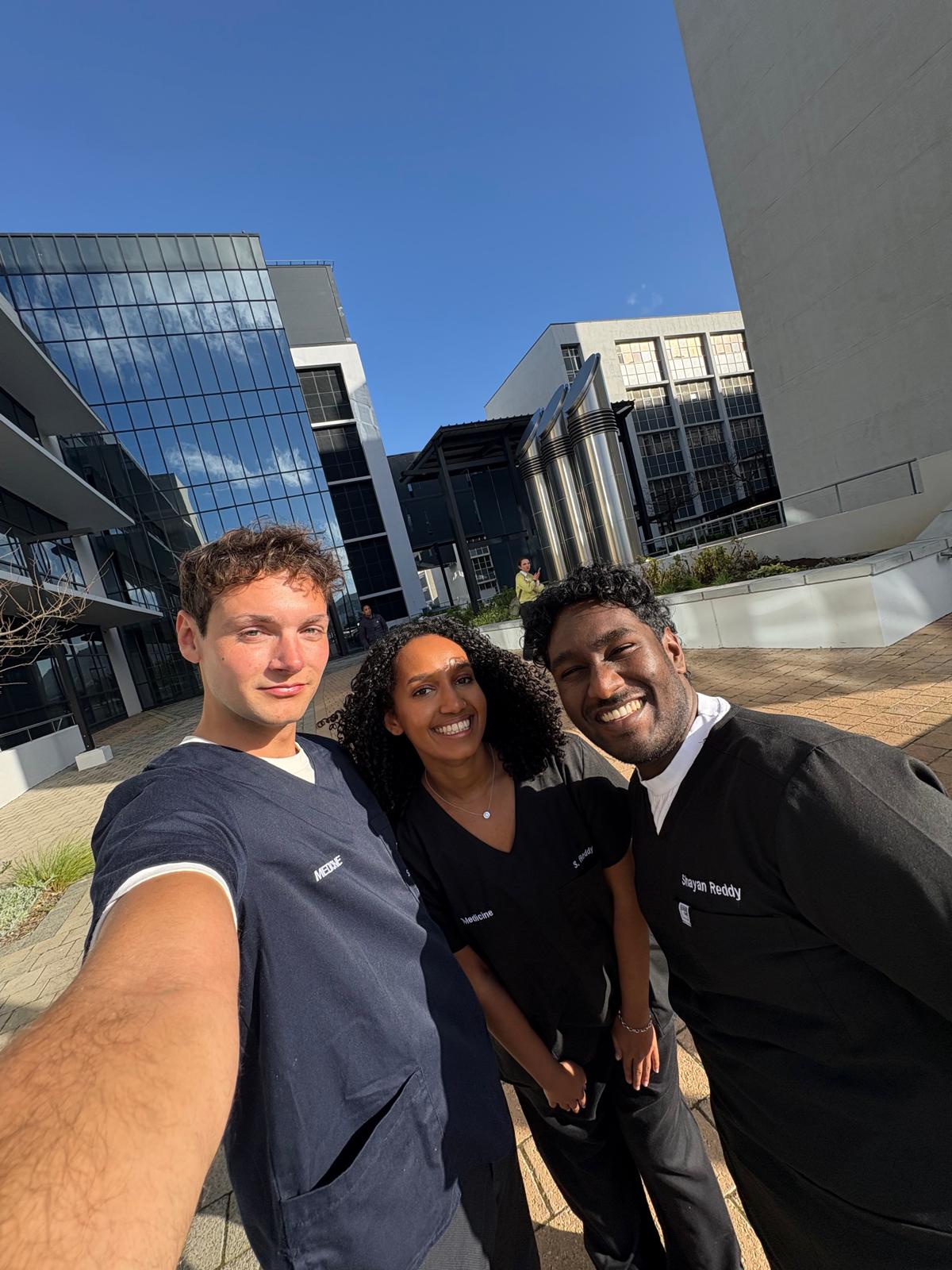
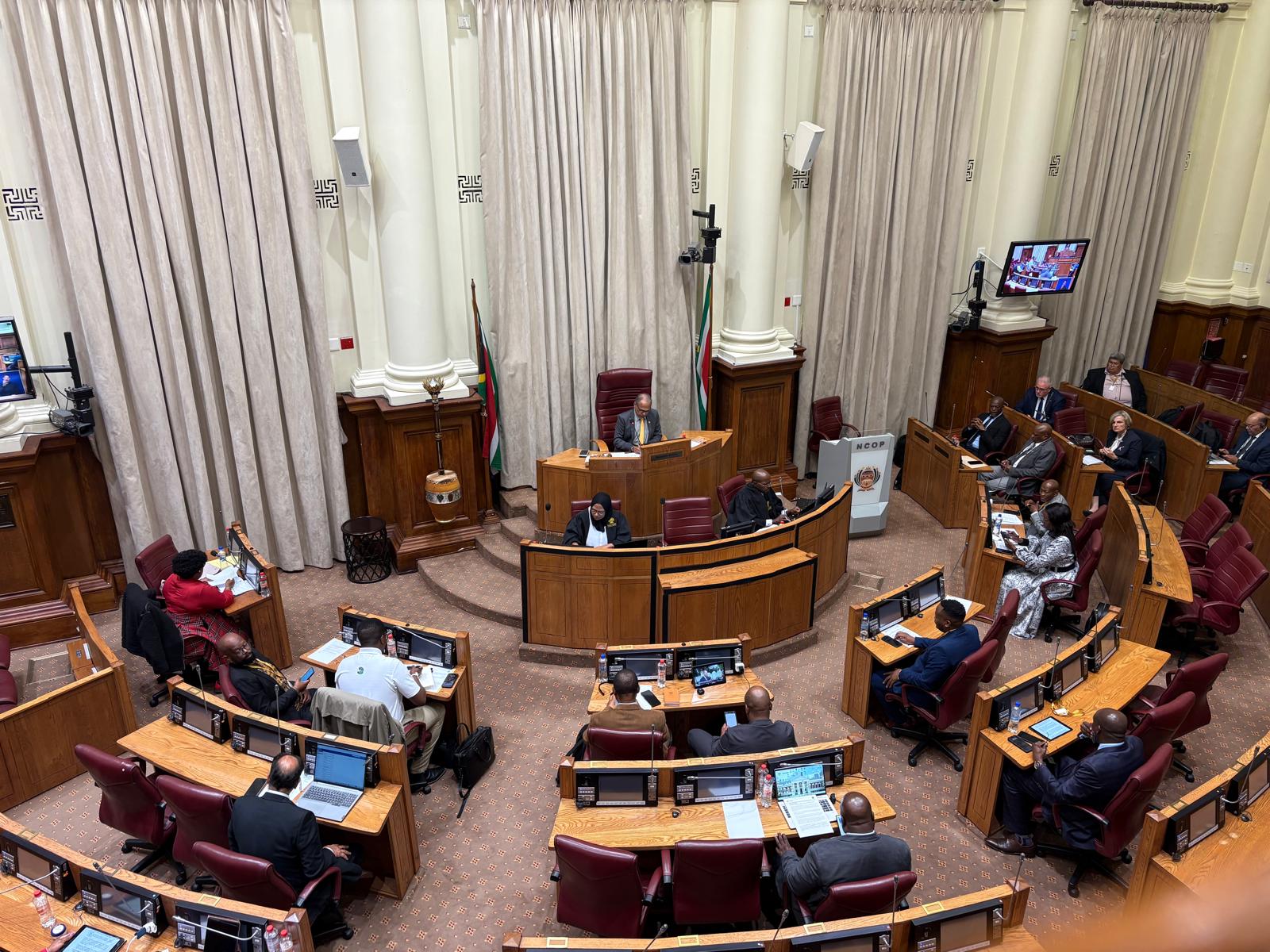
The University of Stellenbosch is surrounded by beautiful mountains to hike and scenic vineyards, and I was drawn to the opportunity to learn in a completely different environment from what I am used to. One of the highlights of every course I participated in was that excursions were part of the curriculum. Whether it was visiting the Parliament of South Africa to observe a plenary session or going to a local health clinic in Mbekweni, one of the neighbouring townships, these experiences placed us outside the lecture hall, allowing us to engage directly with what we study in academia and providing perspective, creating an interesting environment for discussions and conversations. The university also offers a selection of Global Education Programme (GEP) modules specifically for international students, making the selection process much more digestible than going through endless pages of course descriptions.
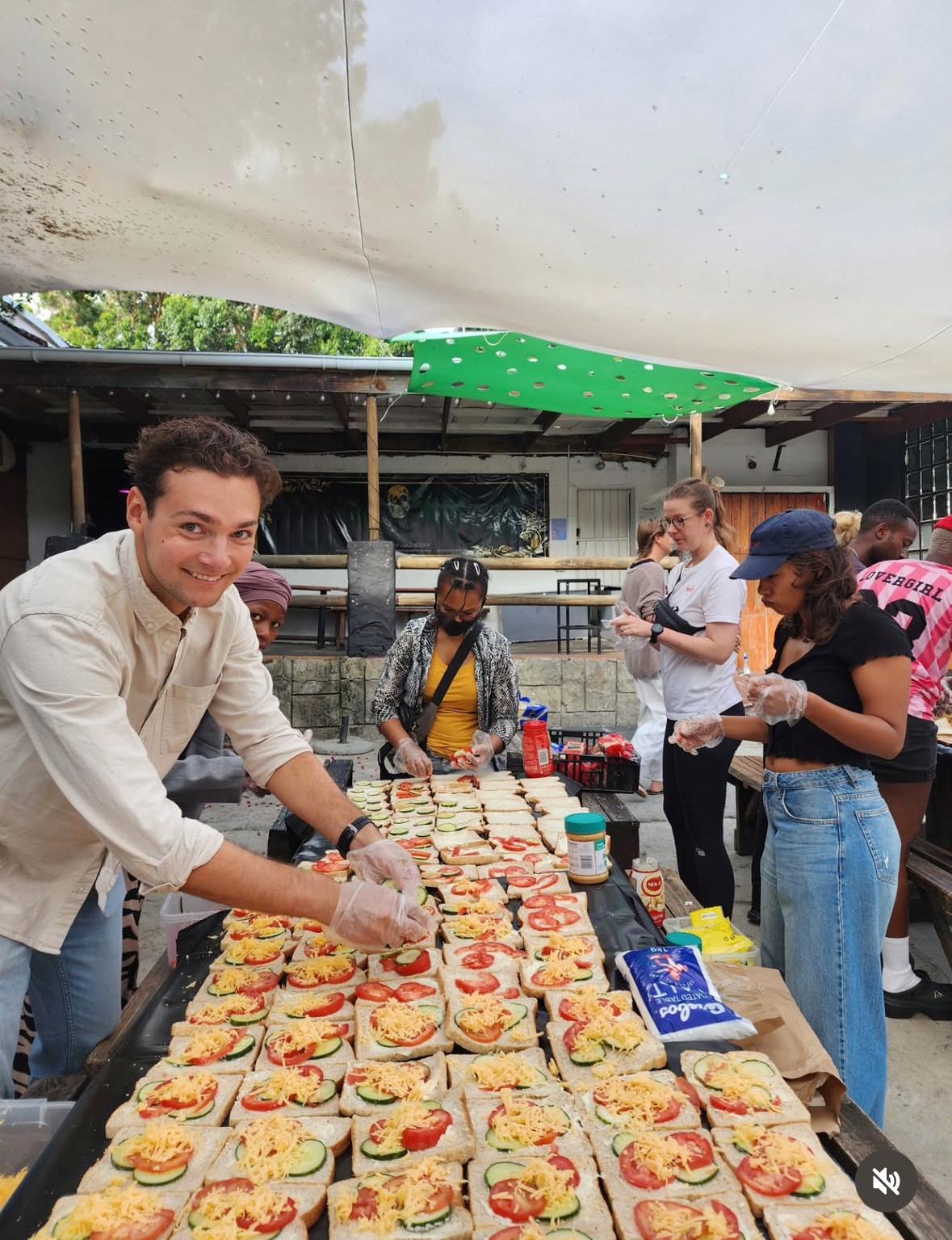
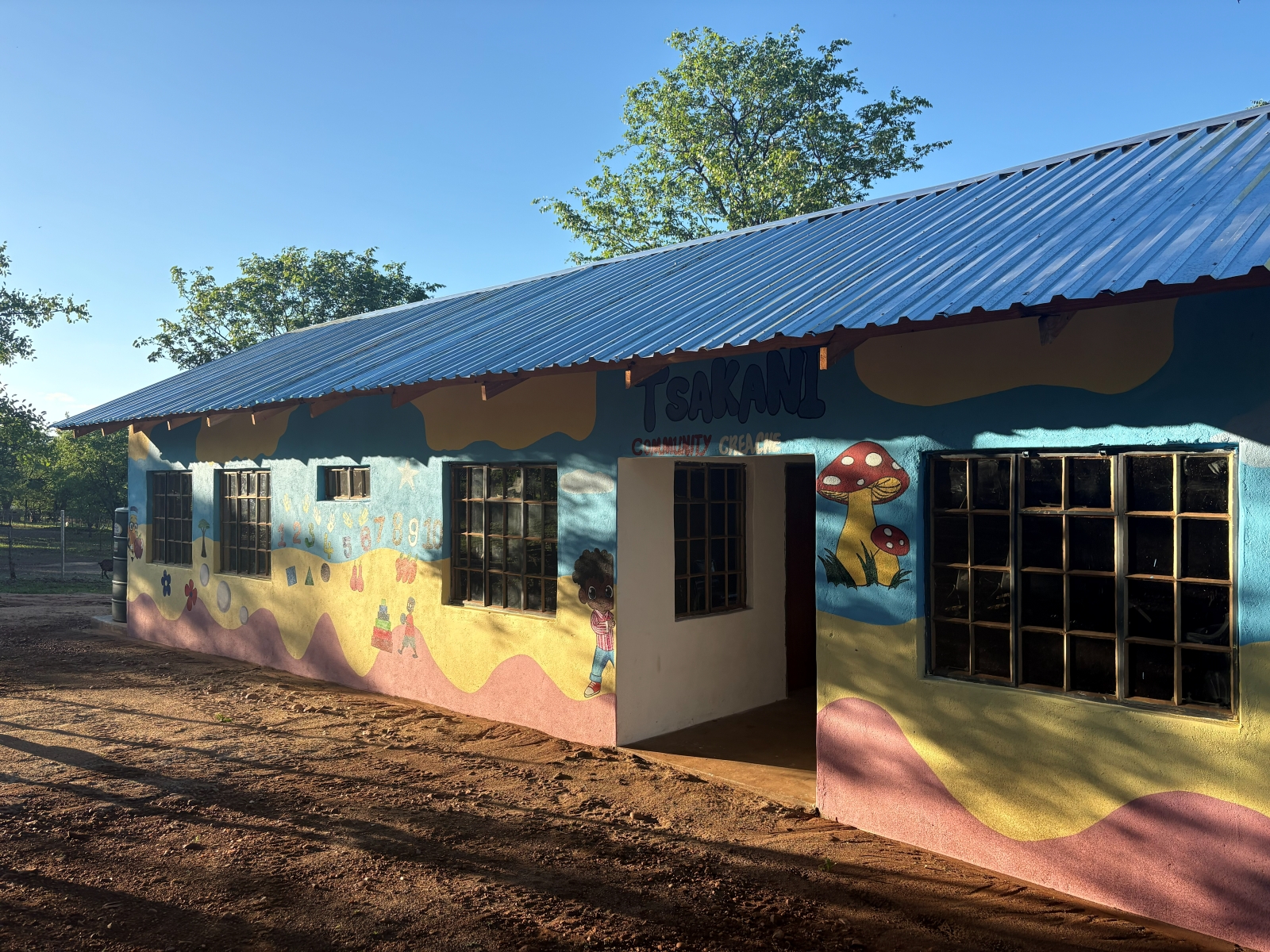
The role of civil society organisations made a great impression on me during my time in South Africa. Local communities are often centred around purposeful work in ways unlike anything I have experienced before. Universities also encourage this by providing opportunities for students to engage with their surrounding communities. Within the university context, the Volunteering & Community Engagement (VCE) Programmes offer students opportunities to get involved in a variety of projects. As part of my regular schedule, I volunteered twice a week at a primary school and an after-school programme in the township of Kayamandi. Beyond university-related initiatives, there are countless local projects as well. I discovered a community kitchen in Cape Town that prepared food for everyone in the local neighbourhood every Saturday and Sunday. Volunteering with projects like this was the absolute best way to meet and connect with other South Africans!
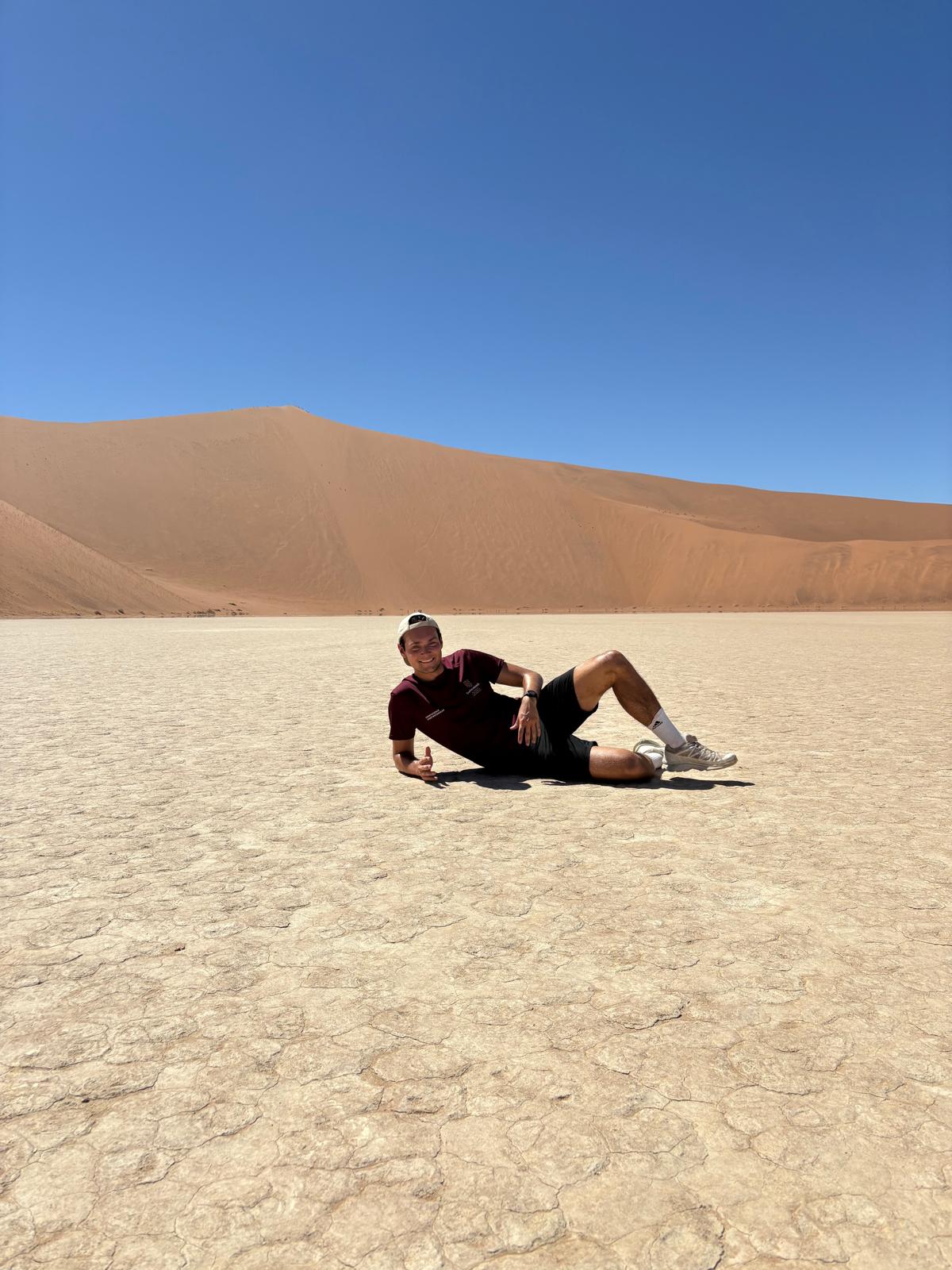
South Africa will be missed, but now I know I have a second home to return to — hopefully it won’t be long until my next visit. After finishing my courses, I went on a five-week road trip across Southern Africa: from the orange dunes of Namibia, to Botswana’s famous Okavango Delta, through Zimbabwe and Zambia to Victoria Falls, and finally the kingdom of Eswatini — experiences like this are definitely one of the benefits of going on an exchange.