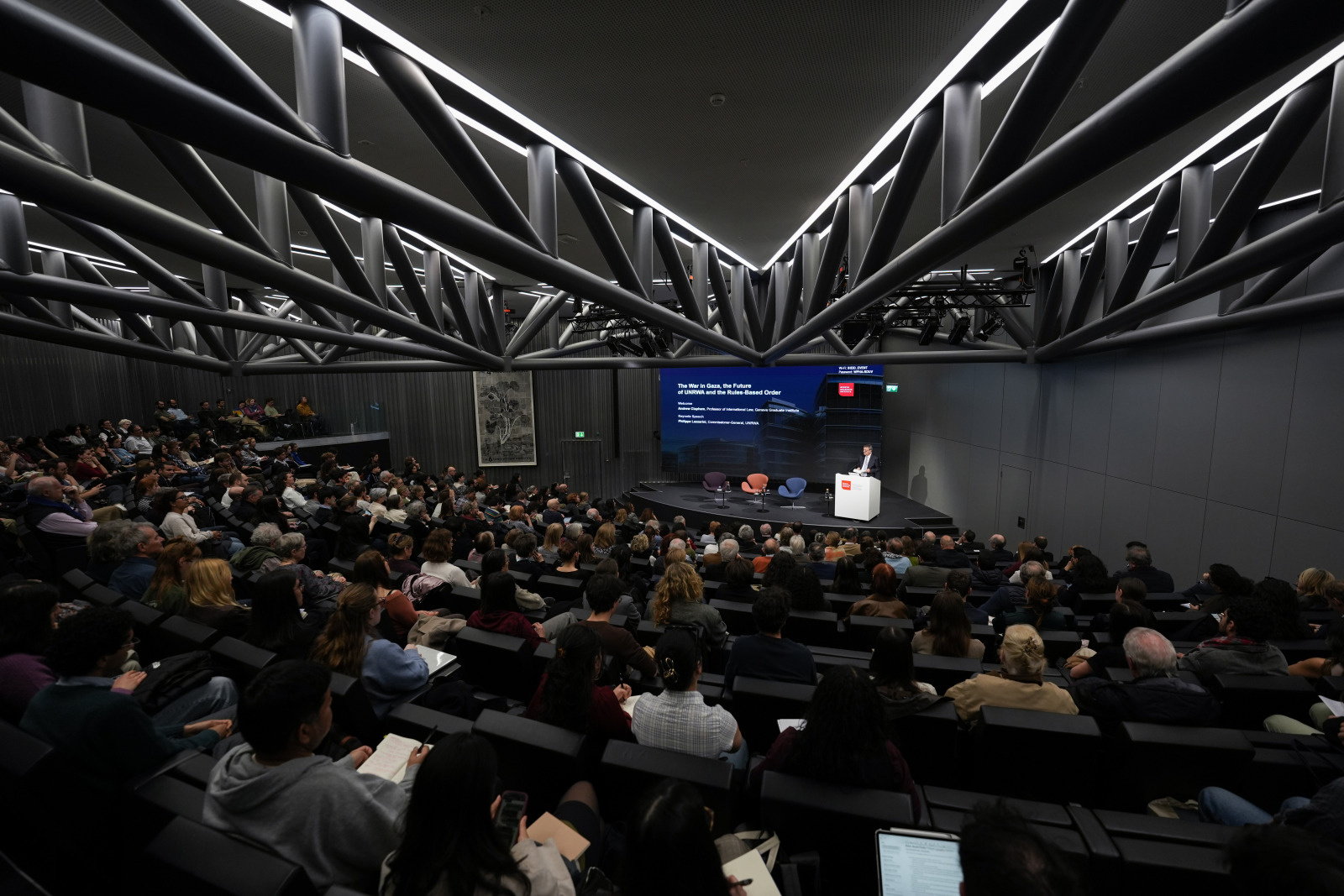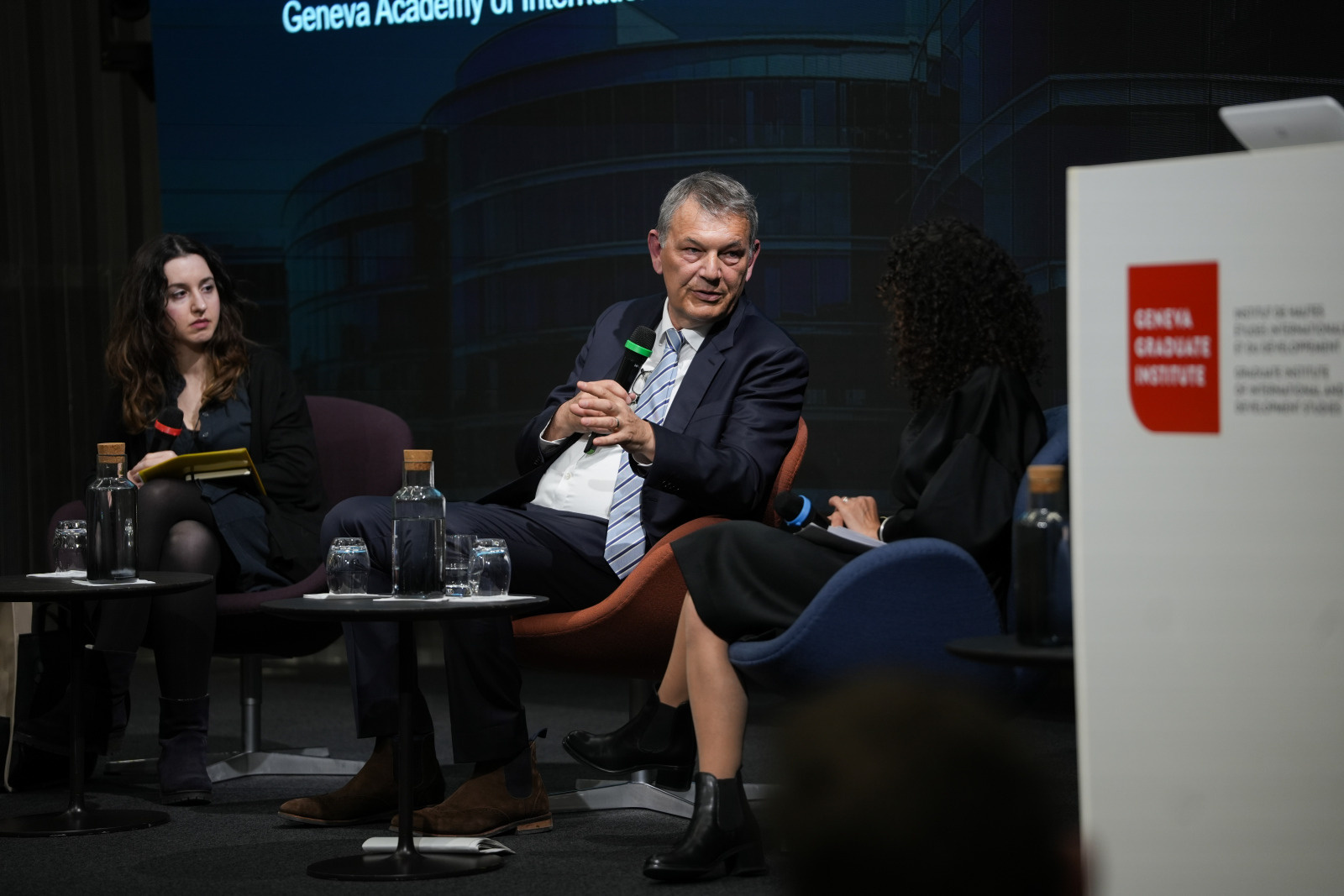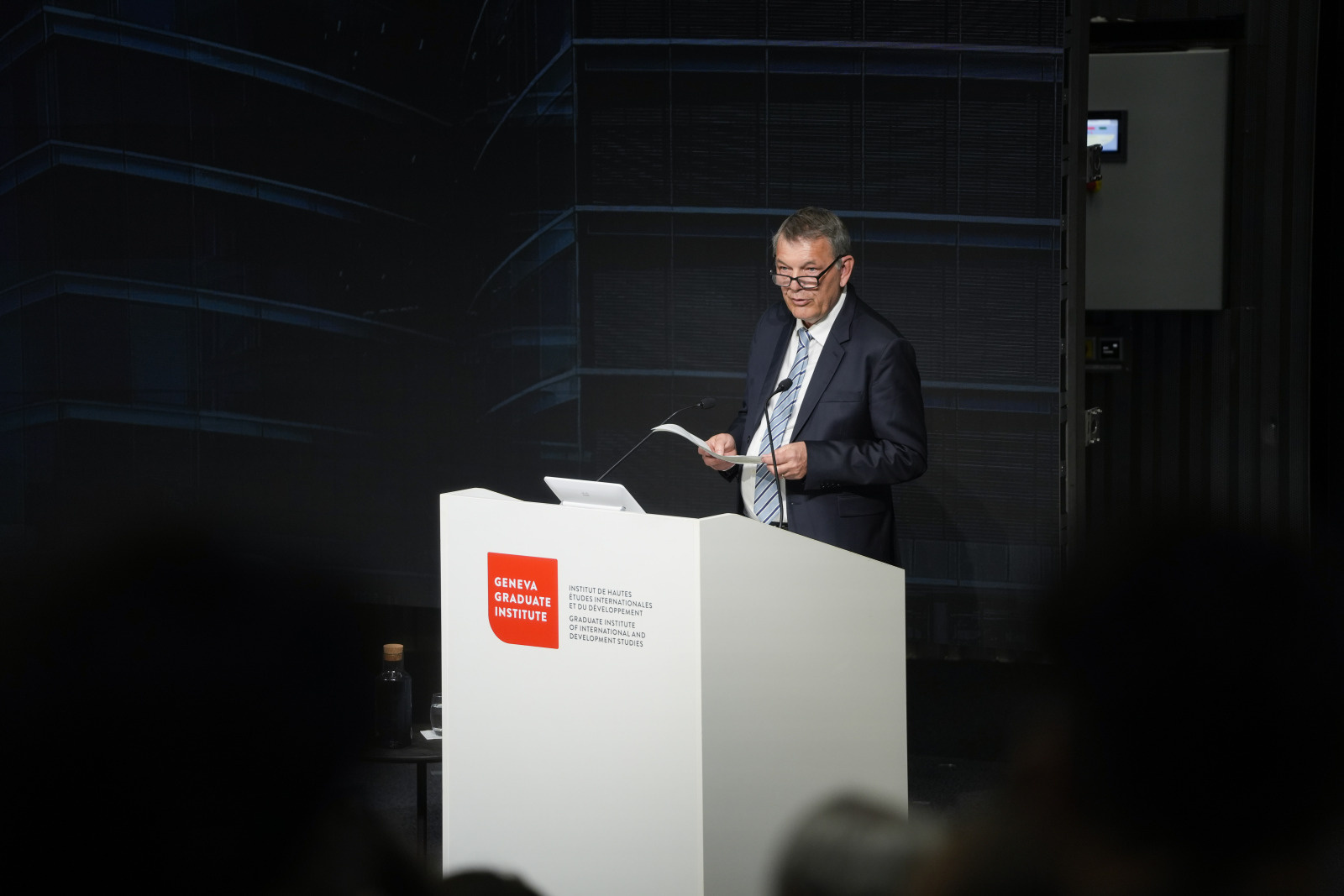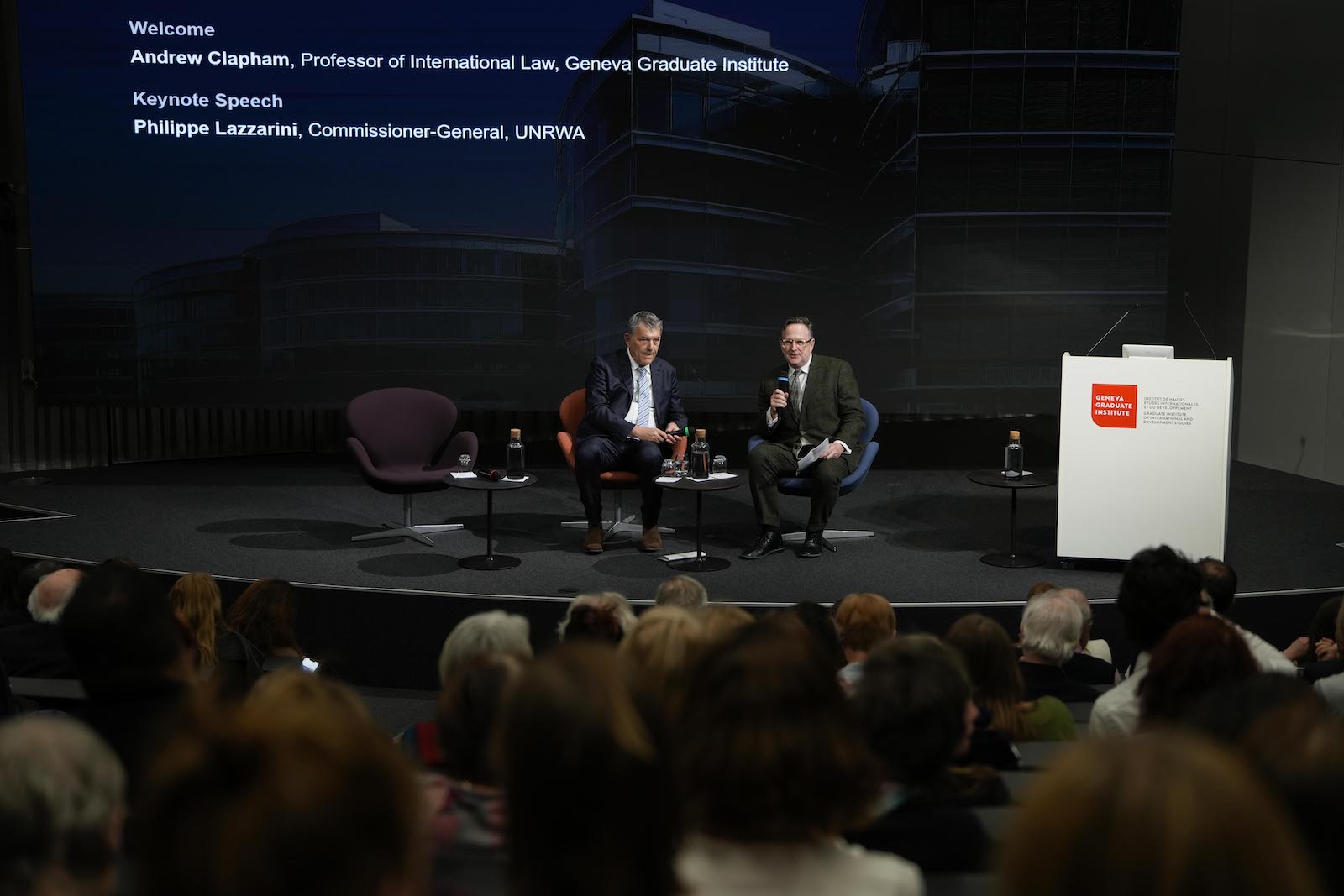


“The War in Gaza, the Future of UNRWA, and the Rules-based Order” discussion took place amid devastation caused by the war in Gaza, and at the end of Philippe Lazzarini’s tenure as Commissioner-General of the United Nations Relief and Works Agency for Palestine Refugees (UNRWA).
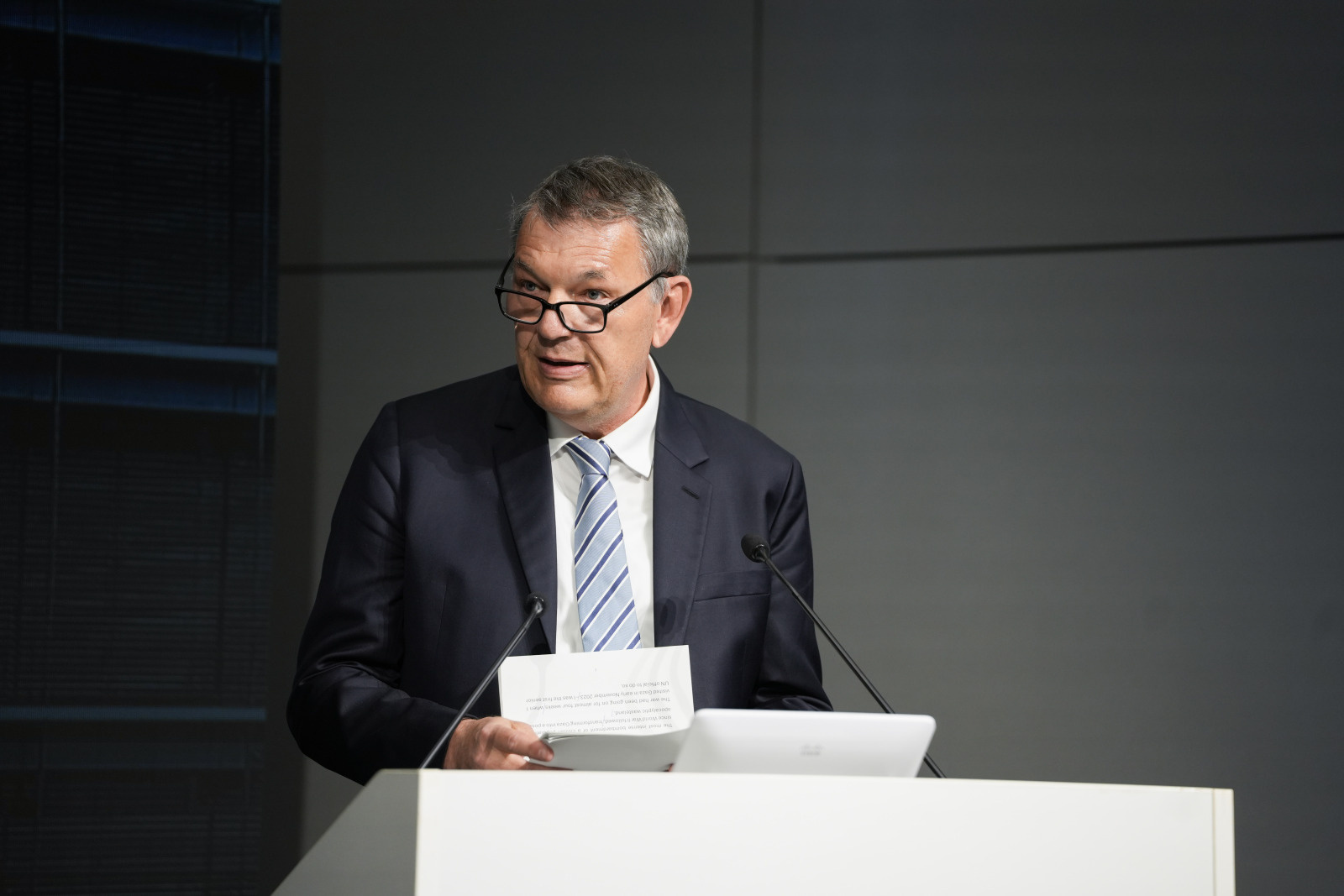
Philippe Lazzarini powerfully described the transformation of Gaza into a “post-apocalyptic wasteland”. Not only has Gaza been reduced to rubble, but a man-made famine also occurred. Palestinians have been forcibly displaced, and countless atrocities have been committed. The population of Gaza is left with little hope after the “ceasefire”, with military operations continuing, and an unaccountable body, the Board of Peace, being left to determine Gaza’s future. Philippe Lazzarini described the dire situation outside Gaza as well, including the increase of settler attacks, the displacement of Palestinians and annexationist policies in the West Bank continuing unabated. He noted how eliminating UNRWA became an objective of the war on Gaza, and how impunity has enabled this to continue, leaving the UN staff and Palestinian communities to suffer the highest cost. His message was loud and clear: international law cannot be applied selectively and silence before what is going on in Gaza is complicity.
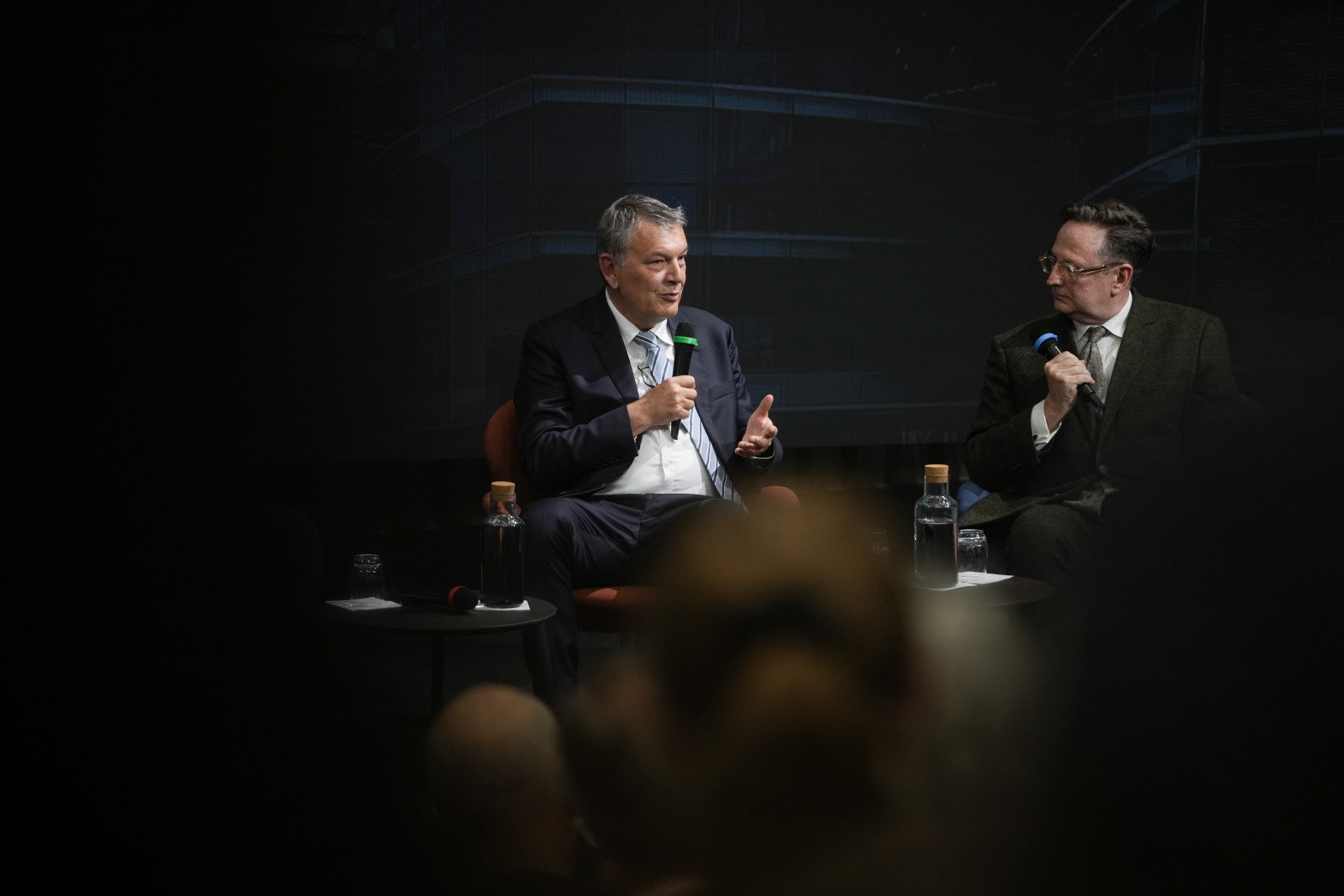
Professor Andrew Clapham joined Philippe Lazzarini in discussing the recent Advisory Opinion by the International Court of Justice (ICJ) on the Obligations of Israel in relation to the Presence and Activities of the United Nations, Other International Organizations and Third States in and in relation to the Occupied Palestinian Territory, as well as the International Criminal Court’s (ICC) arrest warrants for senior Israeli officials. Although their significance cannot be overstated, their influence in constraining Israel’s conduct on the ground has been limited so far.
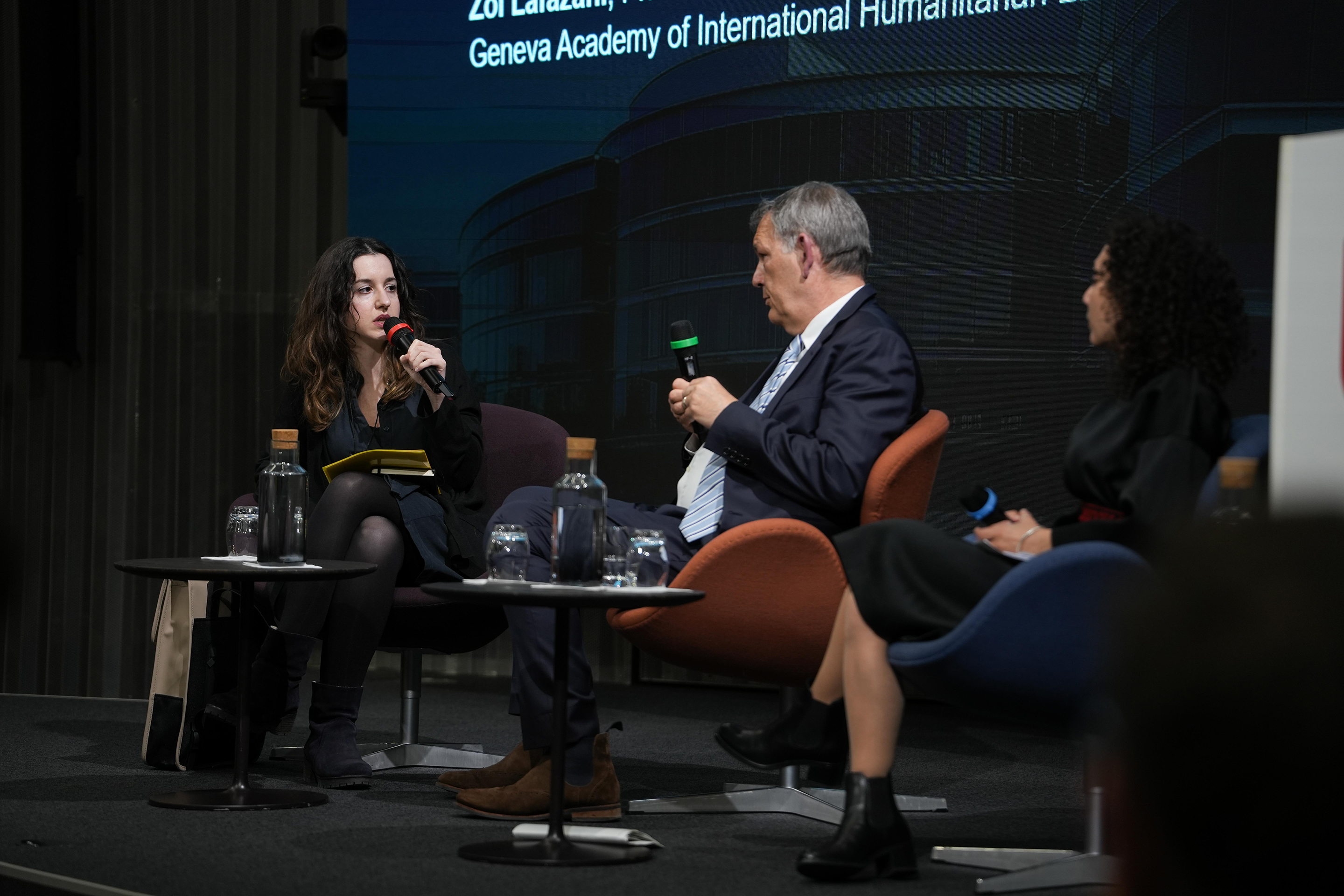
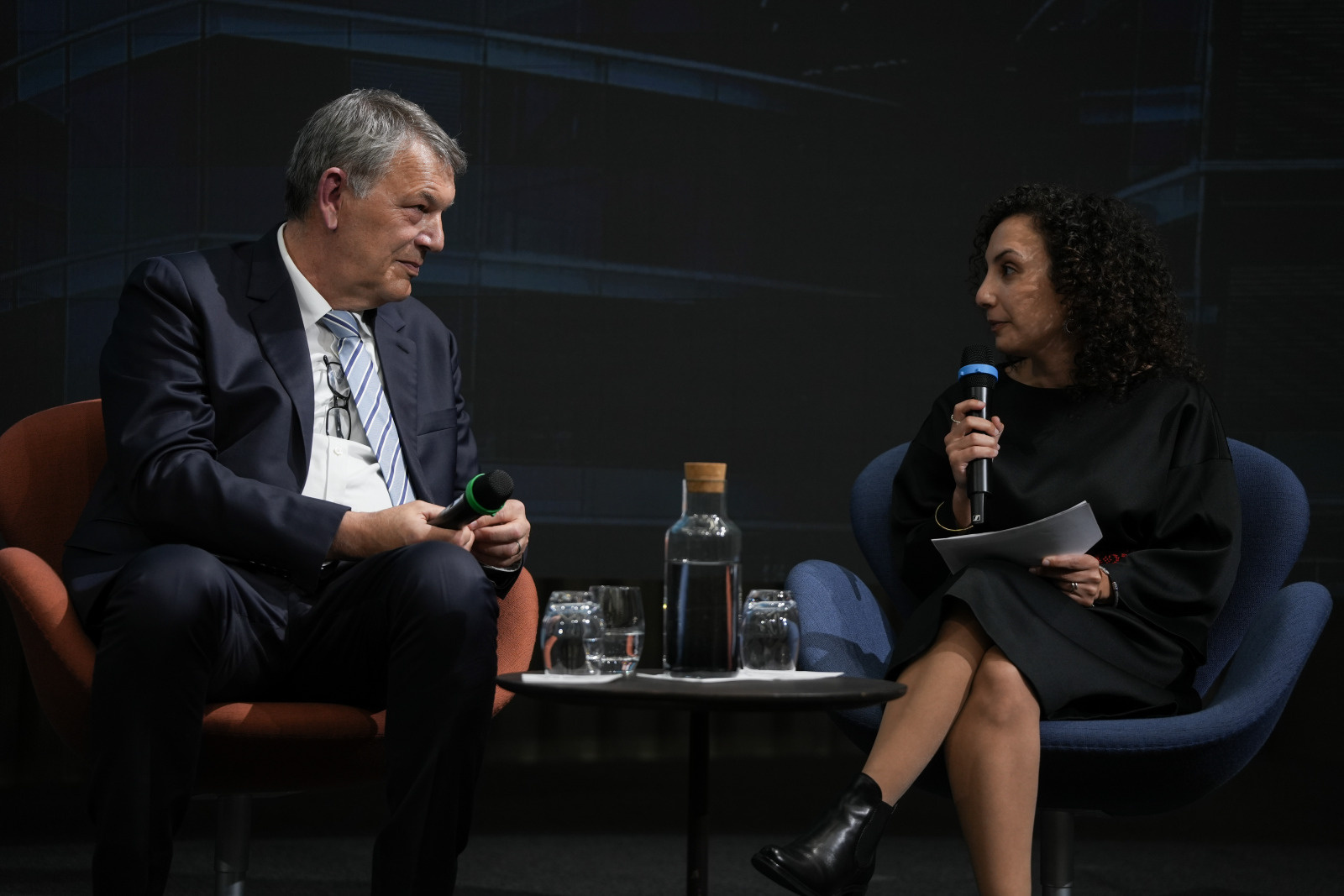
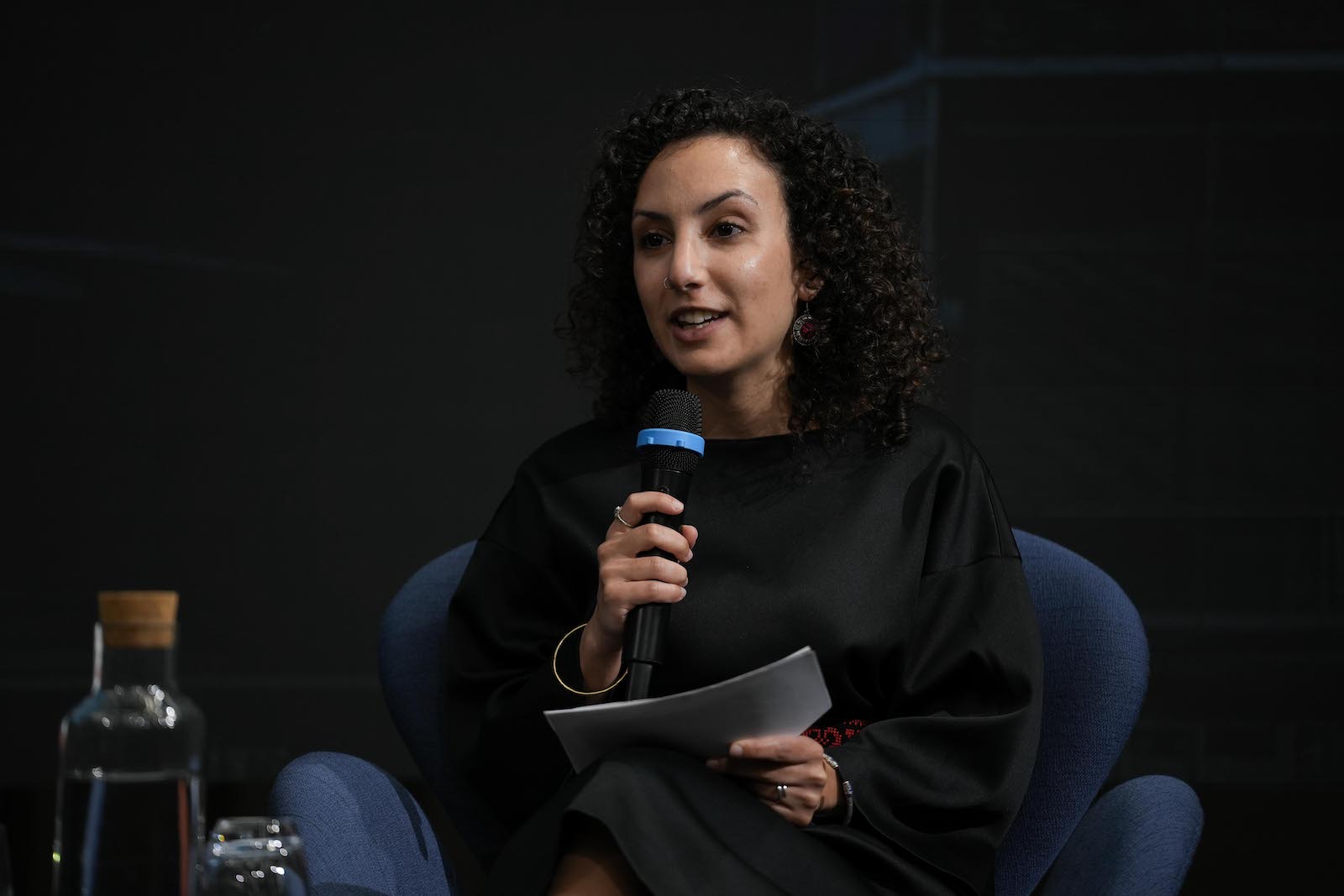
When Zoi Lafazani and Nada were asked to participate in the discussion with Philippe Lazzarini, they revisited their research on genocide and international humanitarian law (IHL), particularly the law of occupation. The discussion covered various aspects, including UNRWA’s first creation as a temporary agency, which has now served Palestinian refugees for over 75 years, its objectives and work amidst the absence of a political solution, and the numerous attacks of intimidation and disinformation targeting UNRWA. The conversation also addressed the immense financial strains UNRWA is facing and its impact on Palestinian refugees, especially in Gaza. Finally, it was emphasised that undermining the standards set by international law and disguising clear violations as compliance with IHL sets a worrying precedent for future conflicts and erodes the protections afforded by IHL to populations affected by war. In particular, reference was made to the operation of the Gaza Humanitarian Foundation and its aid distribution at specific points designated by Israel, which Philippe Lazzarini described as “death traps” for those trying to receive aid.
Philippe Lazzarini emphasised that we are at a point where the two-state solution has never been further away, where UNRWA’s future is uncertain, and where there is a risk of losing an entire generation in Gaza due to the collapse of the education system, despite education being a source of pride for Palestinians. In light of these challenges, the international community must uphold a rules-based order, ensuring the same standards apply to all its members regardless of their power.
GENEVA GRADUATE INSTITUTE
Chemin Eugène-Rigot 2A
Case postale 1672
CH - 1211 Geneva 1, Switzerland
+41 22 908 57 00
ADMISSIONS
prospective@graduateinstitute.ch
+ 41 22 908 58 98
MEDIA ENQUIRIES
sophie.fleury@graduateinstitute.ch
+41 22 908 57 54
ALUMNI
carine.leu@graduateinstitute.ch
+ 41 22 908 57 55