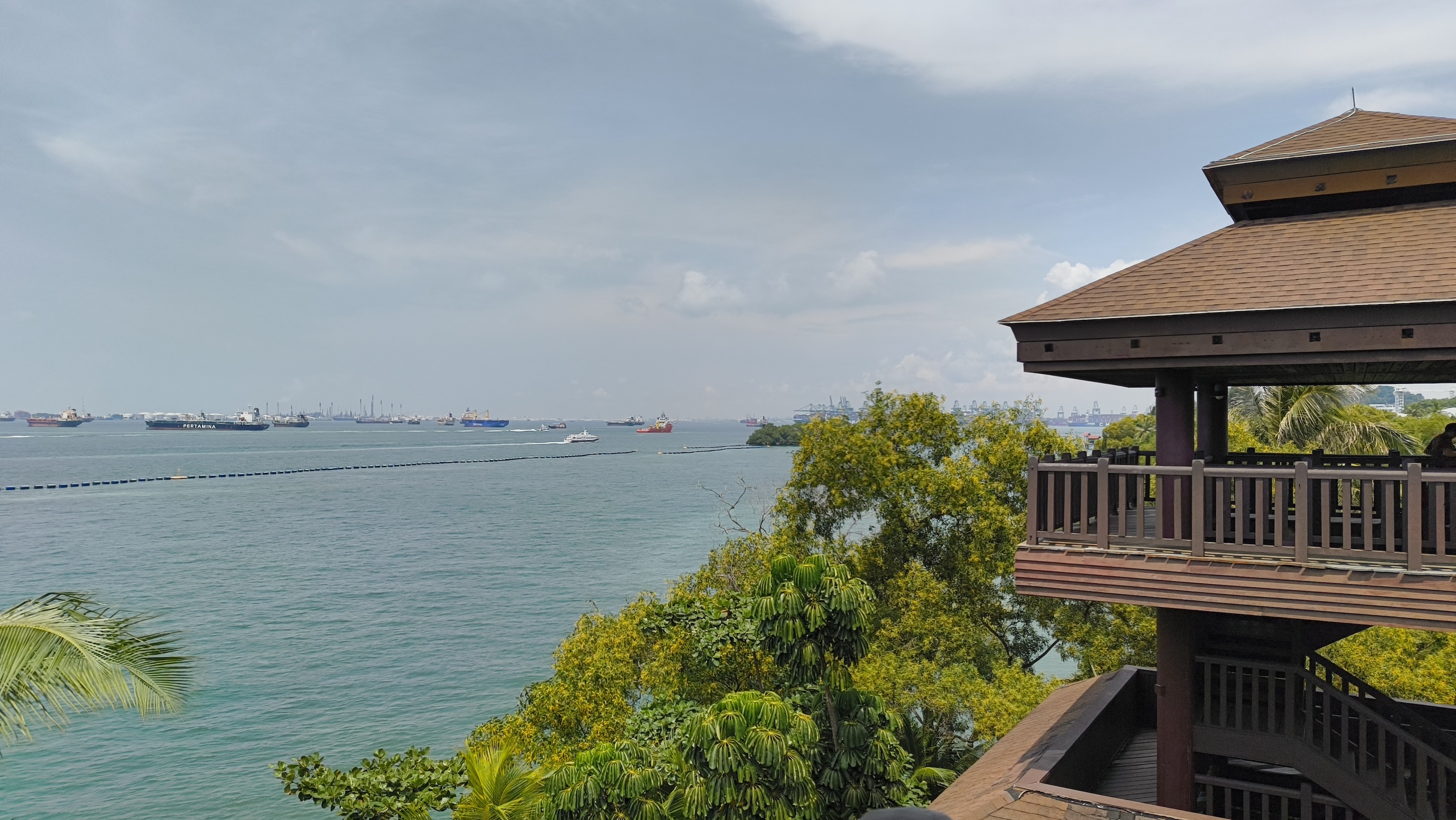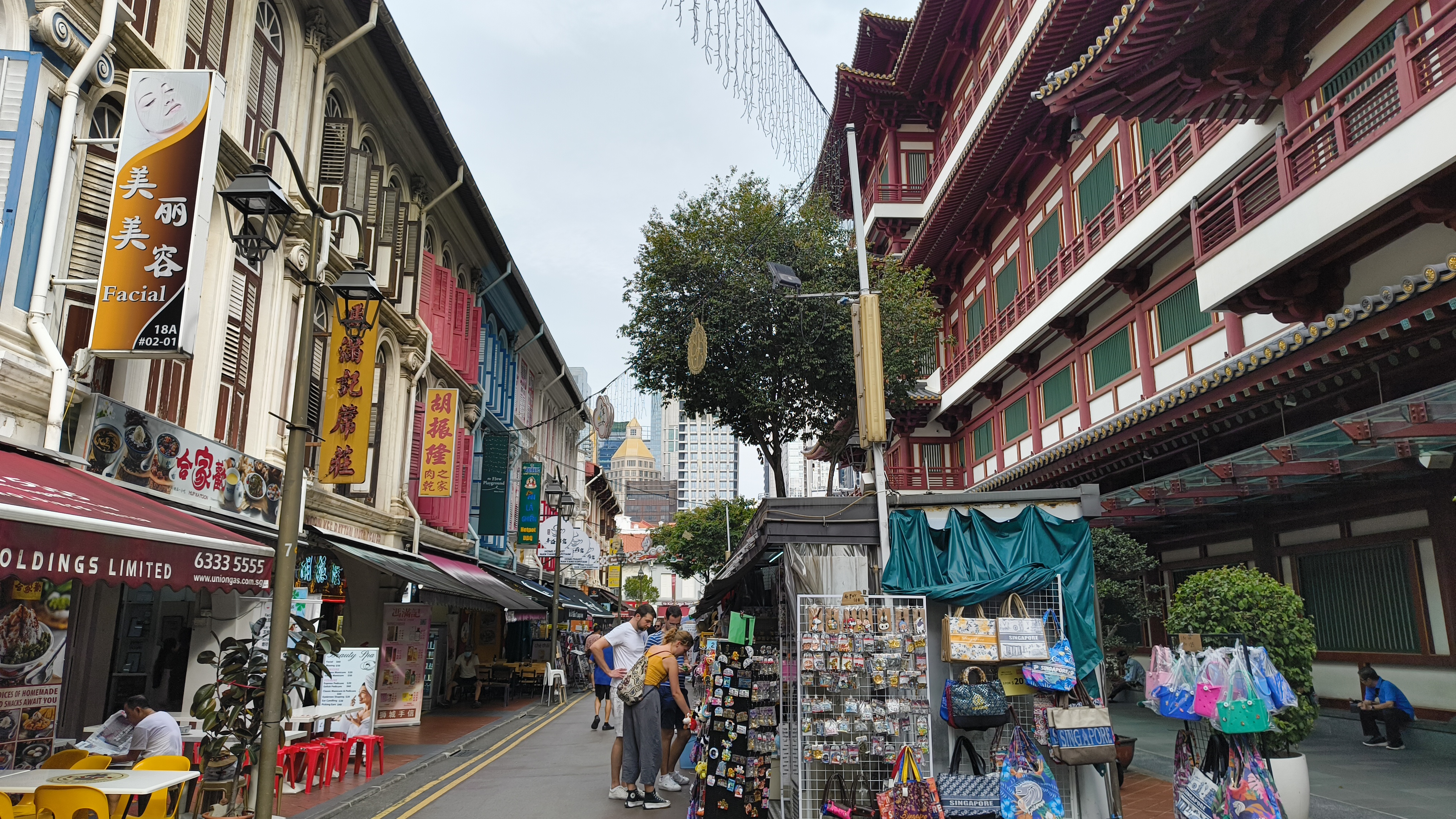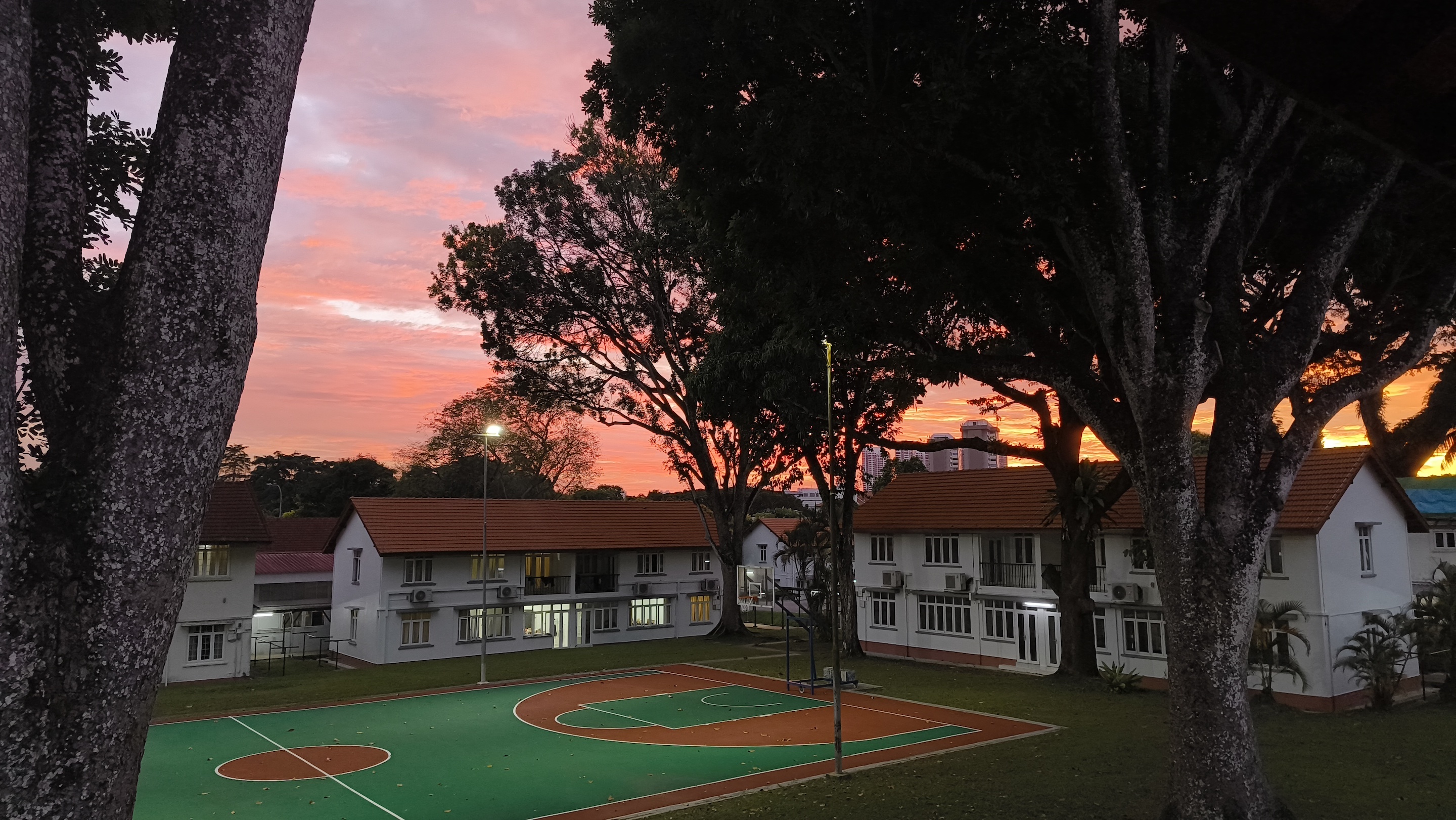


Singapore doesn’t slowly reveal itself. It’s upfront. Bright. Precise. But then, unexpectedly, it softens.
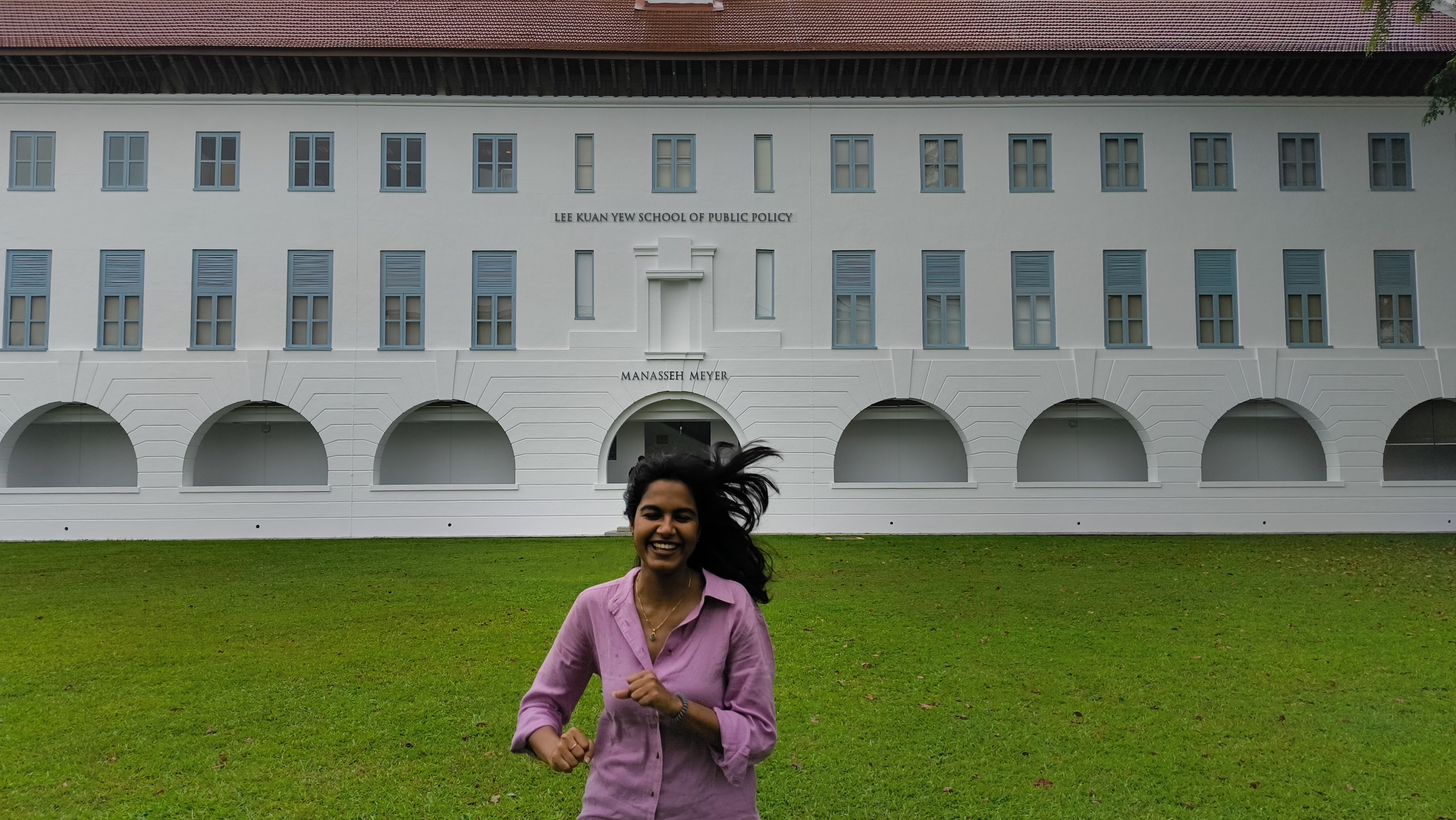
For four months, I studied at the Lee Kuan Yew School of Public Policy, a name that carries weight in Singapore. Lee Kuan Yew, the country’s first Prime Minister and the architect of modern Singapore, believed in a strong state and long-term planning, and that didn’t feel like a distant philosophy. You could see it in how a once small fishing island had become a tightly run global city. That legacy still shows up everywhere, not just in speeches or textbooks, but in how the city actually functions.
Studying economics and policy here meant learning inside a place that practises what it teaches, where ideas like growth, productivity, and state capacity didn’t feel abstract. The academic environment was intense, with a fast pace and high expectations, but what surprised me most was how accessible my professors were. Despite the rigour, there was room for conversation, for uncertainty, and for disagreement.
What shaped me even more than the syllabus was the classroom itself. It was unusually diverse, not just geographically, but in terms of professional experience and lived reality.
People came from fields that rarely sit next to each other, and that changed the texture of every discussion. Freelancers, police officers, diplomats, musicians, trauma counsellors, entrepreneurs, and more. Once, during a discussion on development models, someone casually said, “That wouldn’t work where I come from,” and the entire conversation shifted. It made economics feel less like a set of models and more like something deeply political, messy, and human.
I also started noticing how often the name “Raffles” appeared. Raffles Place. Raffles Hotel. Raffles City. Singapore felt futuristic, but its colonial past was quietly built into its maps and everyday language. What struck me was how neutral it felt. The past wasn’t romanticised or resisted. It was simply there, quietly present in the background. It made me think about how some cities engage with their colonial pasts and carry them into the present, and how differently that can look from place to place.
Over time, the way the university was spread across the city started to make sense to me. My classes weren’t all in one place. I was constantly moving between spaces, travelling across neighbourhoods. At first, it felt inconvenient. Then I realised that this movement mirrored Singapore itself. The city is built around circulation. People, ideas, money, and time are always in motion.
For all that motion, my days always began quietly.
I lived in a student residence called College Green on Dunearn Road, and every morning I walked through the Singapore Botanic Gardens on my way to class. The air there always felt cooler, the sounds softer. The greenery felt almost unreal, like it had been designed to look accidental. I kept looking out for otters, which I was told had become a symbol of Singapore’s environmental recovery. I never saw any, but the act of looking became a ritual. It made me realise that even slowness here felt intentional.
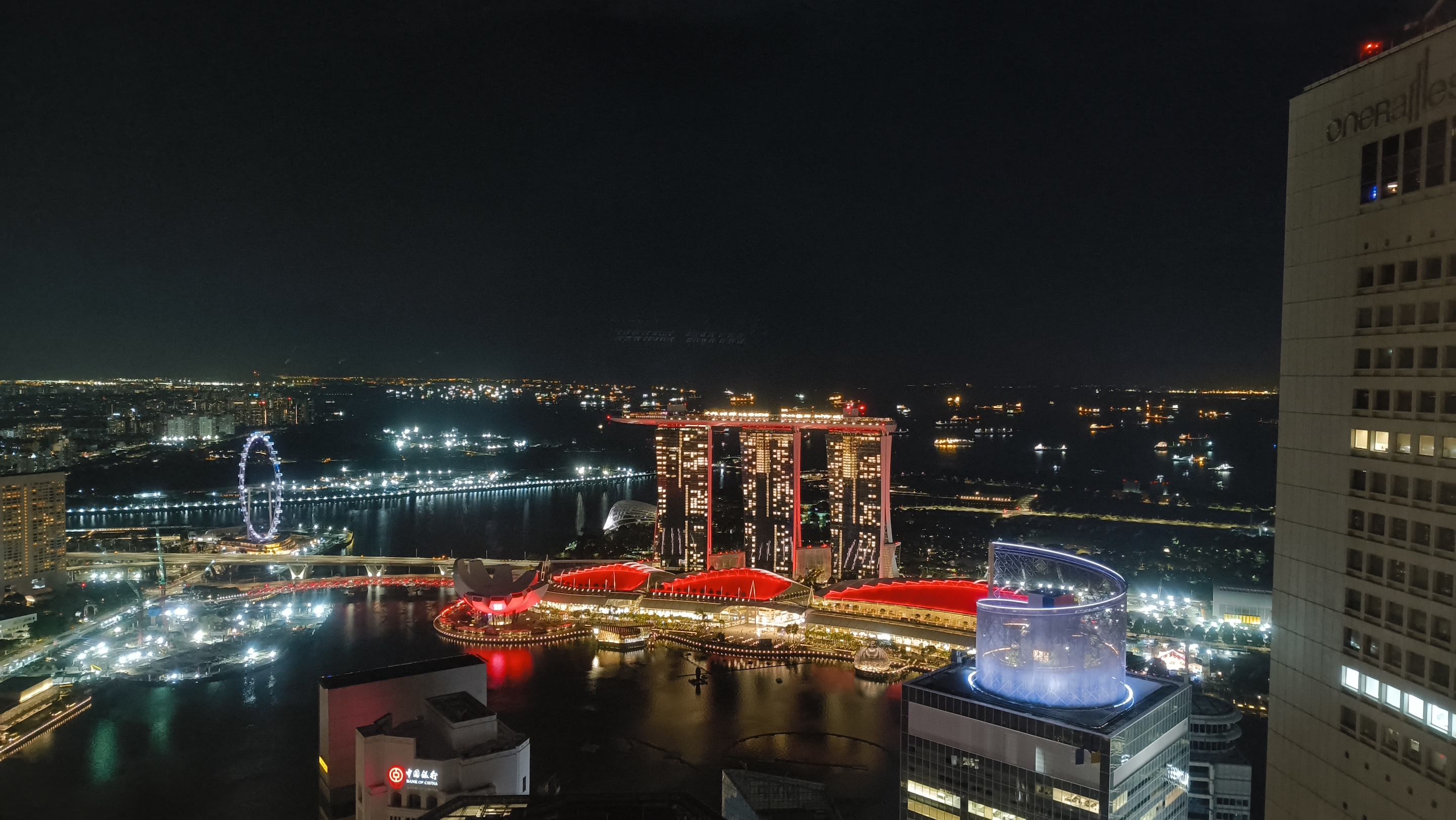
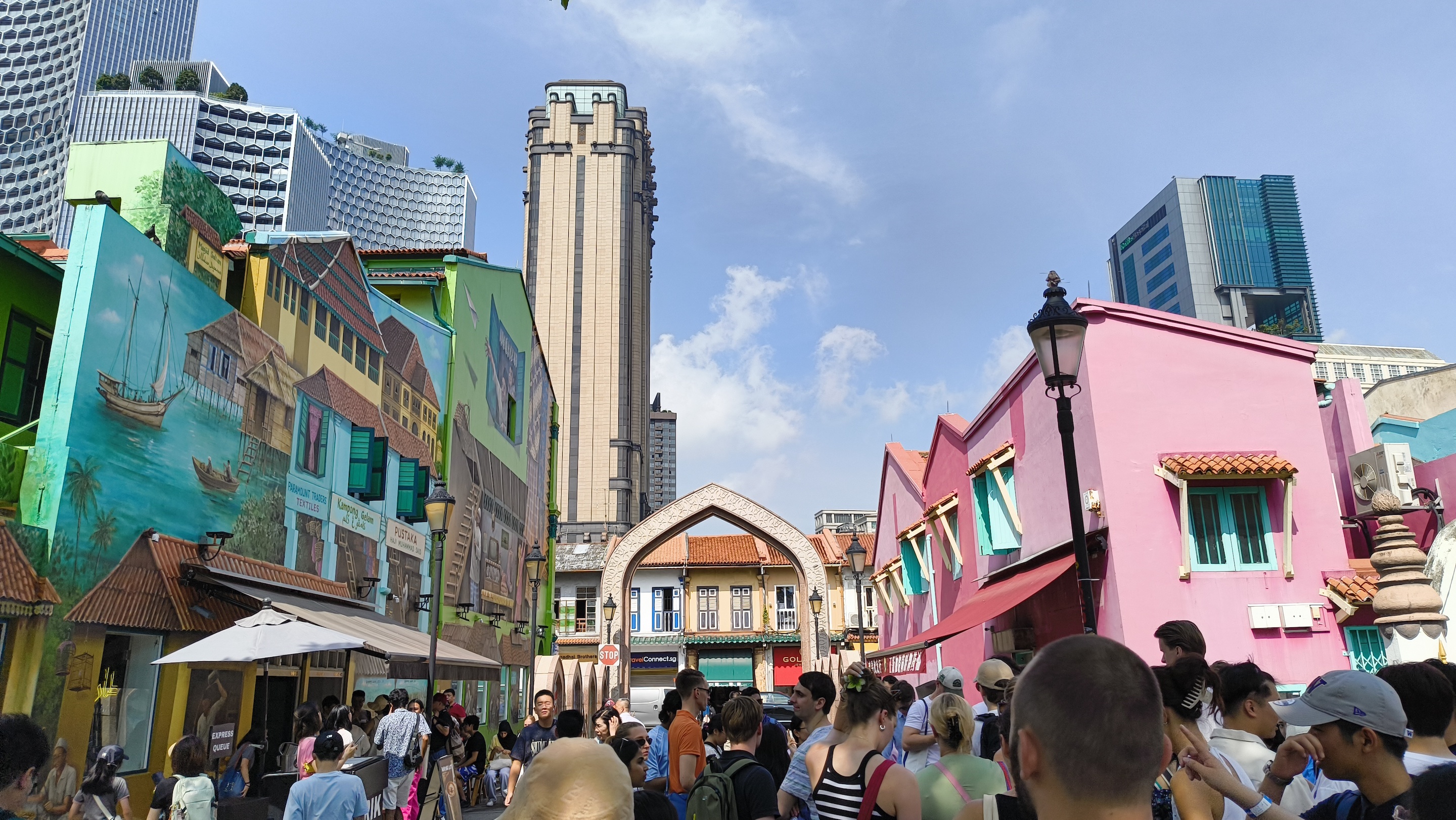
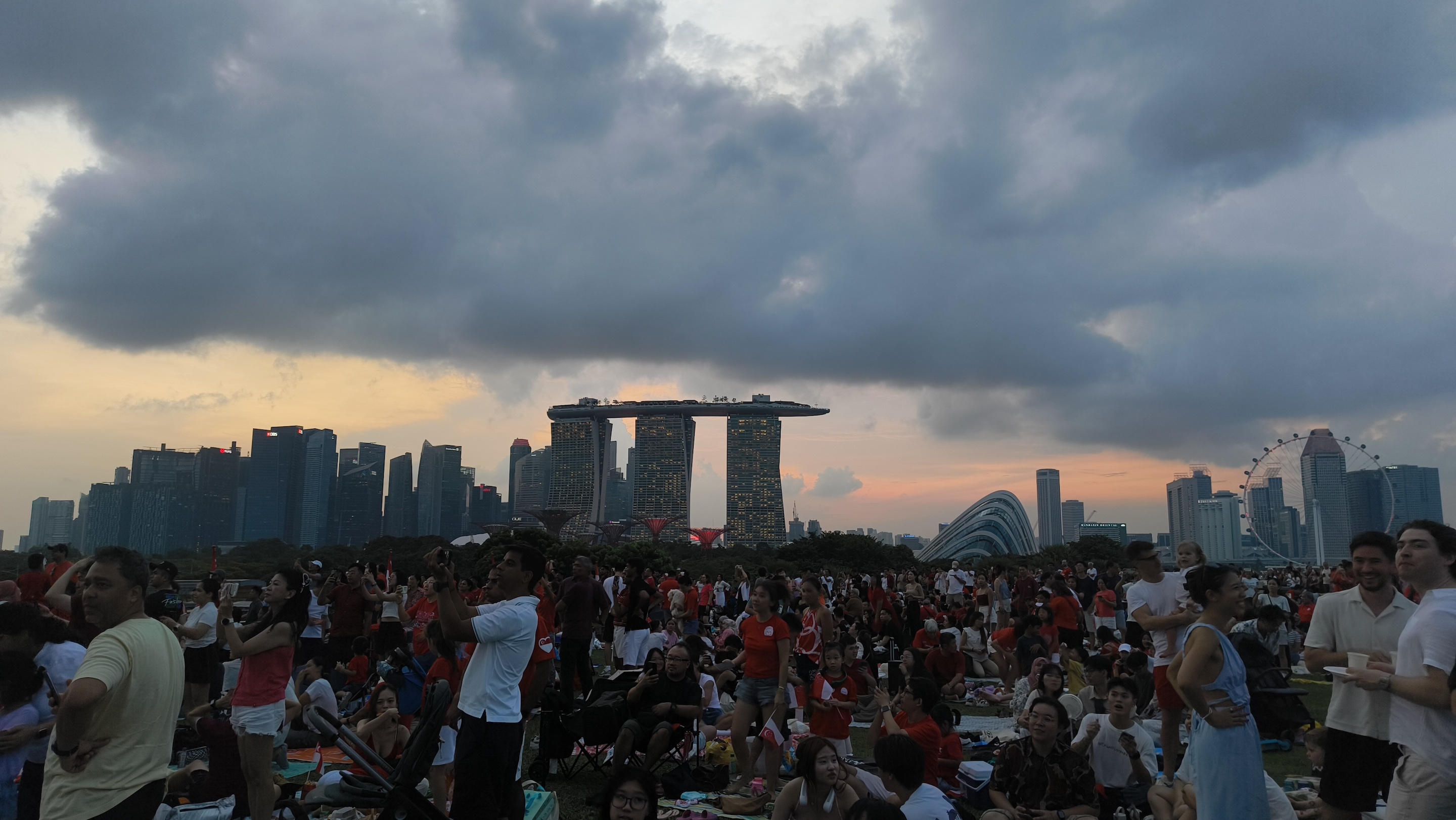
Those walks were often when I felt the contrast of the city most sharply. On some days, I passed through parts of Singapore that felt straight out of Crazy Rich Asians, all glass and gloss and Marina Bay skylines. On others, I found myself in older neighbourhoods, quieter, slower, less polished. Singapore constantly made me negotiate between the new and the old, the hyper-modern and the quietly lived-in.
Being there also changed how I thought about distance. From Singapore, Southeast Asia felt unusually easy to navigate. Malaysia was a road trip away, and Indonesia a short ferry ride. That closeness showed up most clearly in food. Over time, I realised that the hawker centre near my place wasn’t just convenient, it was a map of the region. Malaysian, Indonesian, Chinese, Indian, Peranakan influences all coexisting on the same table, making the country feel like a crossroads. I later learned that some of these stalls had even been awarded Michelin stars, an honour usually one would imagine only reserved for fine dining, without changing their form, prices, or rhythms.
Over these months, I kept thinking about how different the places I’ve lived in are. Delhi, where I grew up, is a megacity of over 30 million people. It’s layered, loud, informal, and constantly negotiating with itself. Life there is rarely smooth, but it’s deeply human. Geneva, on the other hand, is small, international, and slow. It’s shaped by diplomacy, institutions, and a sense of careful neutrality. Singapore is both a city and a country, with a population of about six million. That fact alone changes everything. Decisions feel closer to the ground, and systems feel more immediate.
Living in all three made me realise that governance doesn’t just shape skylines. It shapes behaviour. It shapes patience. It shapes how much uncertainty people are willing to tolerate.
And then there were the friendships. They formed quickly, almost too quickly. Exchange life comes with a strange urgency. You know it will end. That knowledge makes you say yes more often. To plans, to conversations, to vulnerability. It was exhausting, but it expanded me in a lot of ways. I learned how much growth can happen when you let go of control and lean into impermanence.
By the time I left, I realised Singapore had taught me how to live inside a system and how to notice its edges. It showed me what strong institutions can make possible, and what they quietly constrain. It made me more attentive to how cities shape behaviour, how states shape imagination, and how people find softness inside structure.
In four months that passed far too quickly, I left already knowing I’d want to return. Maybe to the same hawker centre. Maybe to the same neighbourhoods, with the same people. Hopefully this time, without panicking over a grocery bill.