


Platform work – work that is facilitated through digital platforms, whether it happens on the platforms themselves or outside of them – has been high on the global political agenda in recent years. After months of fraught negotiations, the International Labour Organisation adopted Convention 193 on Decent Work in the Platform Economy in August 2026. This was welcomed by activists around the world as an important step towards regulating the space that has been replete with irregularity, exploitation and abuse.
Kenya has been among the frontrunners in digitalising and platformising work: from the government’s efforts to digitise its services which are amongst the most advanced in the world, to the widespread availability of digital financial services, in particular the online payment service M-Pesa (Hughes & Lonie, 2007; Natile, 2020), to the proliferation of digital entrepreneurs and start-ups, which has earned the country the sobriquet “Silicon Savannah” and attracted tech giants, such as Meta, to open moderation centers in the country (McCandless Farmer, 2024). All of this has contributed to creating conditions for platform labour to thrive in Kenya.
We know that platforms expose workers to a plethora of challenges – from fake announcements, to refusing payment, to algorithms penalising certain behaviours (such as specific patterns of activity on platform) – that may be tied to one’s gender, socioeconomic class and related social reproductive responsibilities. However, we still do not know enough about how workers – especially those working in sectors such as domestic and agricultural work – actually use platforms, and how their rights can be better protected on them.
The “UPDATE – How digital spaces foster empowering, gender-transformative employment policies and women’s mobilization in Kenya” (UPDATE) project, supported by the Swiss National Science Foundation and Swiss Development Cooperation under the Solutions-Oriented Research for Development (SOR4D) scheme, aims to contribute to developing such understanding. The project is implemented by a consortium of Swiss and Kenyan institutions: the Institute of Anthropology, Gender and African Studies at the University of Nairobi; Pollicy – a feminist technology collective based between Kenya and Uganda; Centre for Development and Environment at the University of Bern and the Gender Centre of the Geneva Graduate Institute. Through a mix of quantitative and qualitative research conducted in Nairobi and the neighbouring areas, the project seeks to answer questions around the gendered nature of platform care labour and the new challenges and opportunities it creates, and to imagine alternative, more feminist ways of organising platform work in Kenya and beyond.
To date, the project has gathered a wide range of insights, perspectives, and experiences through a combination of a survey with domestic, tech and agricultural workers working in and around Nairobi, web-scraping of main platforms through which workers seek employment, as well as semi-structured interviews and focus group discussions with workers using digital platforms.
In August 2026, the project team came together in Geneva and in Bern to engage in collaborative analysis and to share our emerging findings with both academic and policy stakeholders.
From normative declarations to real change
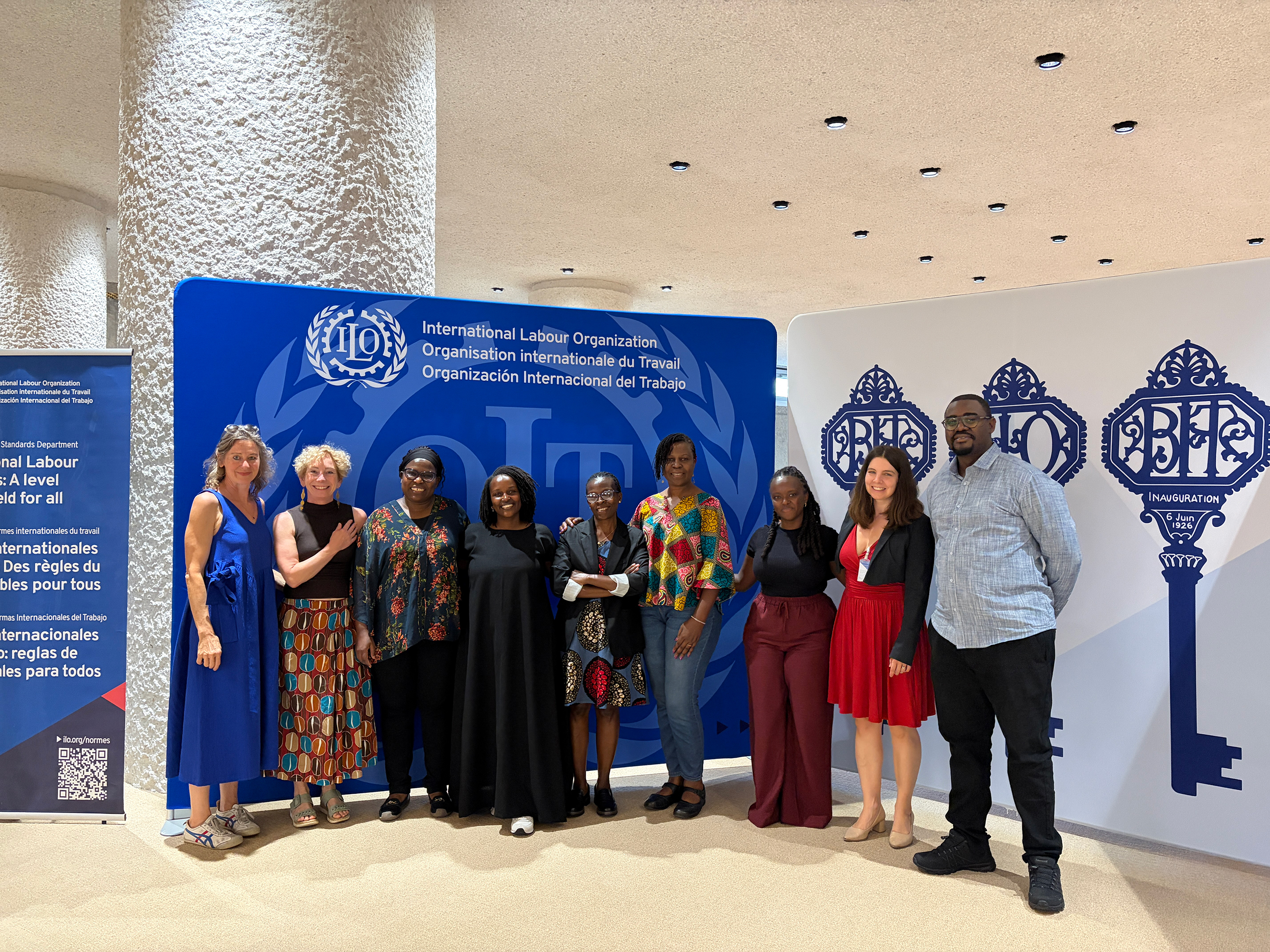
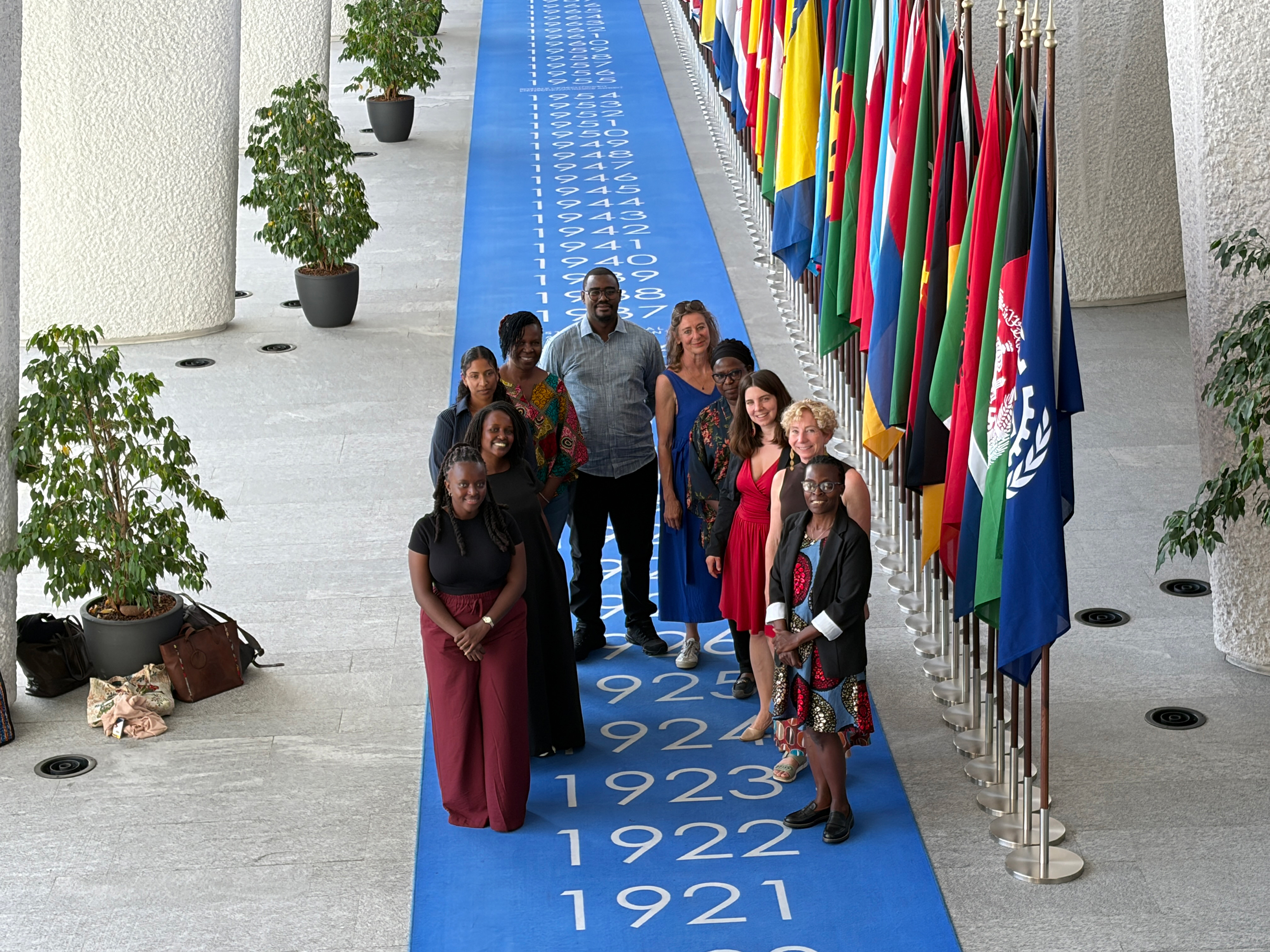
The UPDATE team met with the ILO team that facilitated the negotiations around Convention 193 on Decent Work in Platform Economy to share the emerging findings and reflections from our project. The negotiation that led to the Convention's adoption was challenging, with many competing interests and political sensitivities. As the ILO moves toward supporting governments, workers, and employers in ratifying and implementing the Convention, the meeting sowed seeds of potential collaboration with the UPDATE team, particularly in Kenya and East Africa.
Some aspects of the protection of platform workers – such as the design of fair and just algorithms – are particularly tricky when it comes to domestic and care work. The project’s engagement with the Domestic Professionals Association of Kenya (DPAK), which is actively working towards proposing concrete policy measures to protect domestic workers in the country, can provide an entry point to better understand the specific ways in which the Kenyan government can domesticate the ILO Convention. The project team is planning a stakeholder meeting with Kenyan and international policy actors in Nairobi in early 2027. This can become an important platform for advancing the ratification and implementation of the Convention in Kenya.
Mapping care platform work in Kenya – towards understanding the inherent tensions
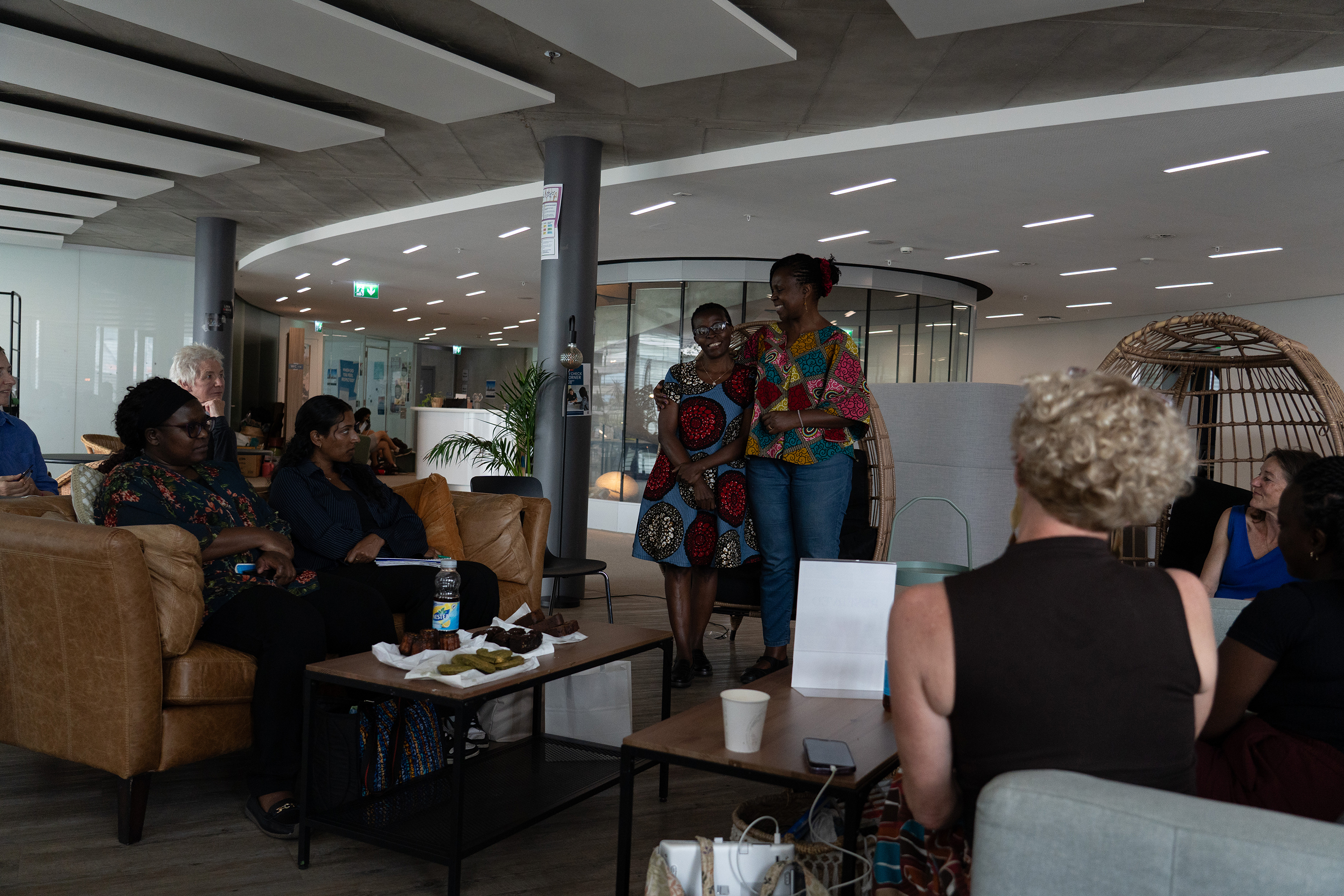
The UPDATE team also presented two papers at the Solutions-Oriented Research for Development (SOR4D) conference in Bern, organised by the Swiss National Science Foundation. The first of the two papers sought to map the ways in which domestic workers in Kenya use platforms, in an effort to better understand whether and how the advancing digitalisation actually transforms domestic work – and whether this transformation can be harnessed to improve workers’ conditions.
Domestic and care labour have been largely absent from the discussions around the platform economy – both in Kenya and globally. While domestic work, by its very nature, takes place “offline” in households, it is increasingly mediated through online platforms, both in Kenya and elsewhere. Some analyses of how care work becomes facilitated through platforms exist, but they focus on Western Europe. The paper, thus, provided a useful perspective and was very well received. We look forward to its publication in the coming months.
Exploring the concept of digital resilience
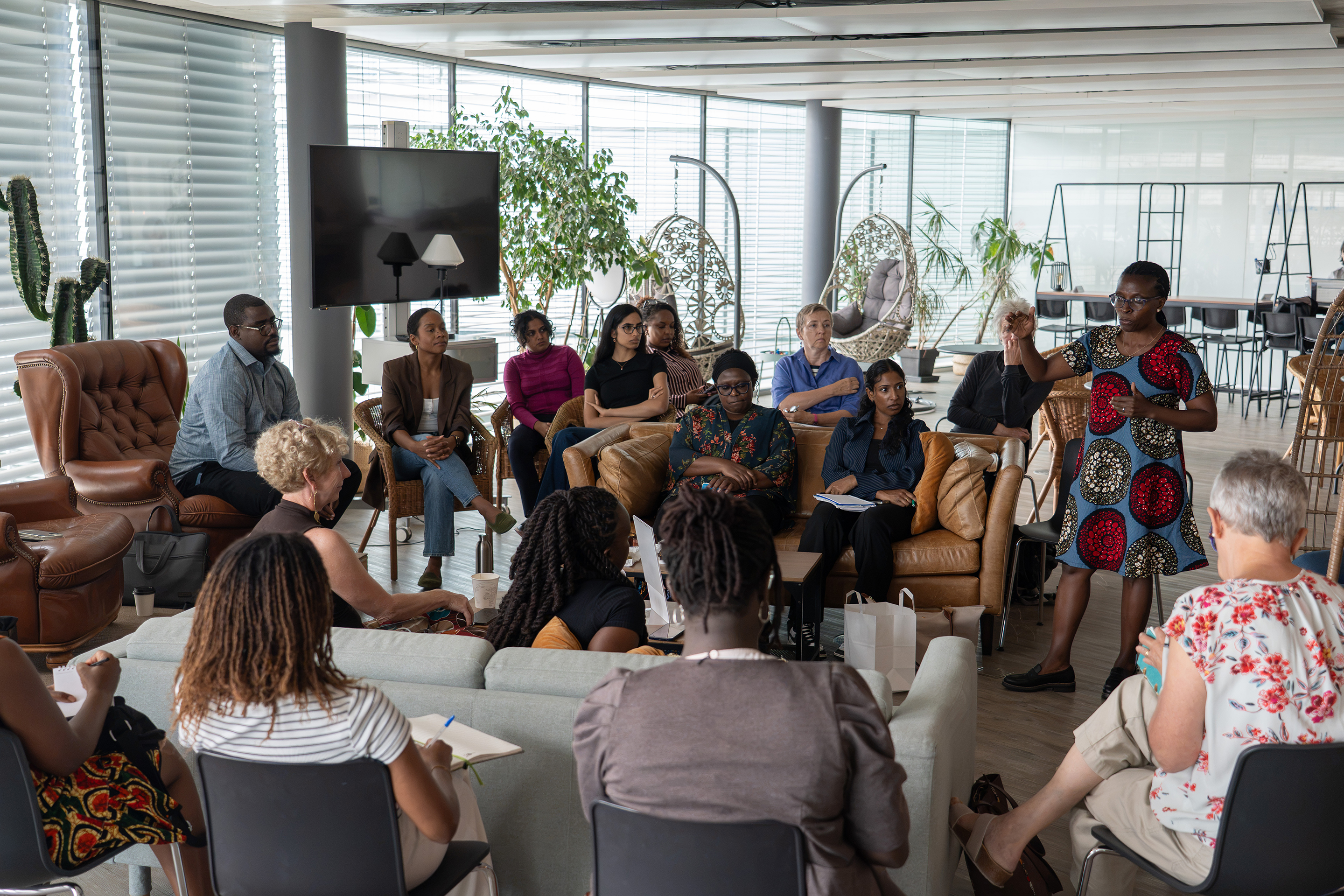
The second paper laid out the project’s broader conceptual frame. Building on a chapter by the UPDATE team, recently published in a volume entitled “Gender and intersectional inequalities in the platform economy”, edited by Paula Rodriguez Modroño, Annarose Pesole, and Ivana Pais, the paper unpacked the concept of “digital resilience”. Using empirical examples from the research in Kenya, it demonstrated how resilience is not only built through one’s actions and choices but also shaped by underlying structural issues, and asked what consequences this has for how we think about and regulate online platforms.
The team also met and exchanged with the co-directors and members of the Gender Centre. The project resonated strongly with other Gender Centre researchers working on political economy, agricultural work and gender relations in Africa in particular. We look forward to further dialogue and possible collaborations within the Centre!
Moving forward, the UPDATE team is looking forward to more analysis and new publications from the project. We will also continue to link our research to policy work – including through the upcoming stakeholder workshop in Nairobi in early 2027 as well as ongoing collaboration with ILO. Stay tuned!