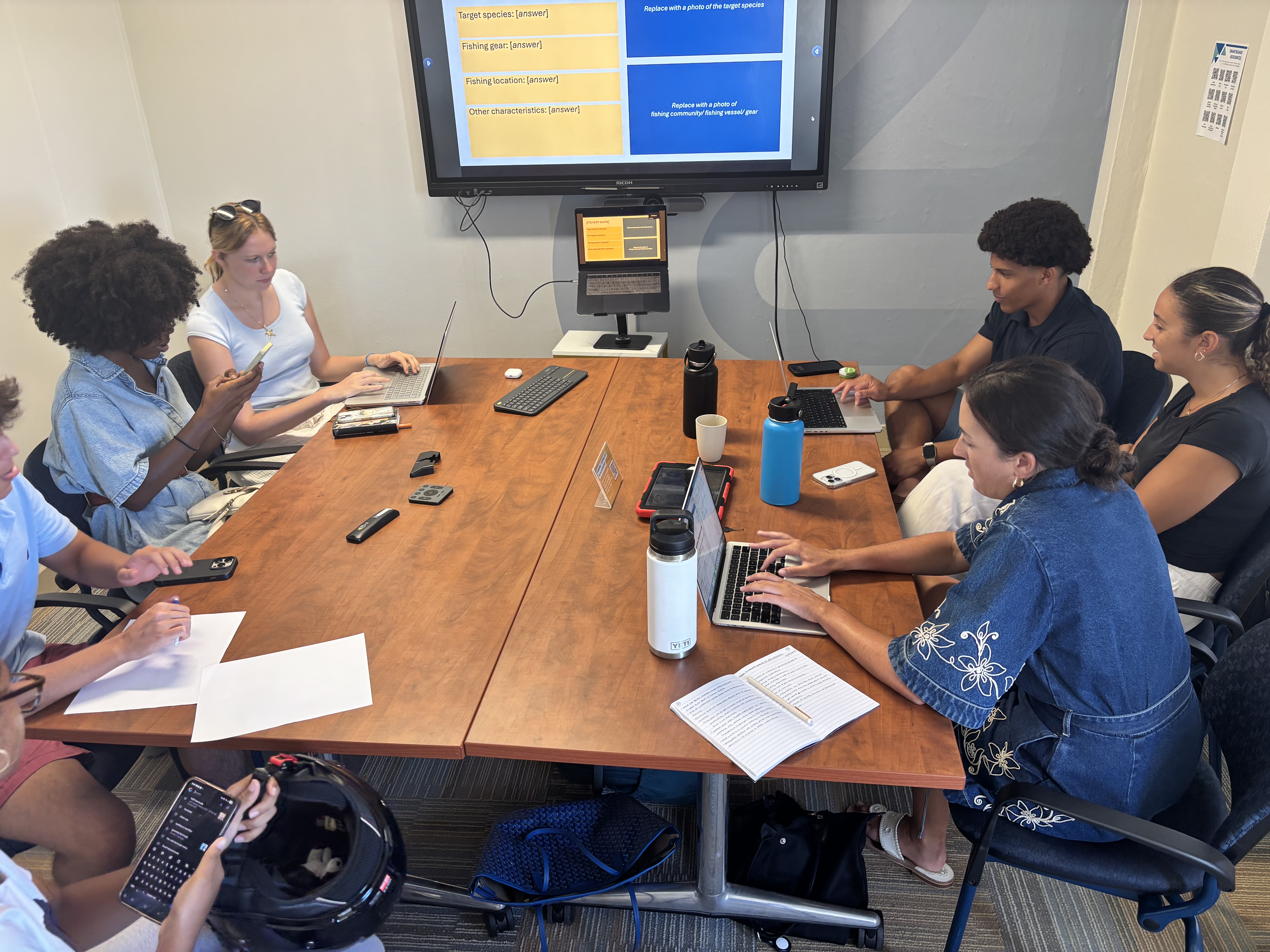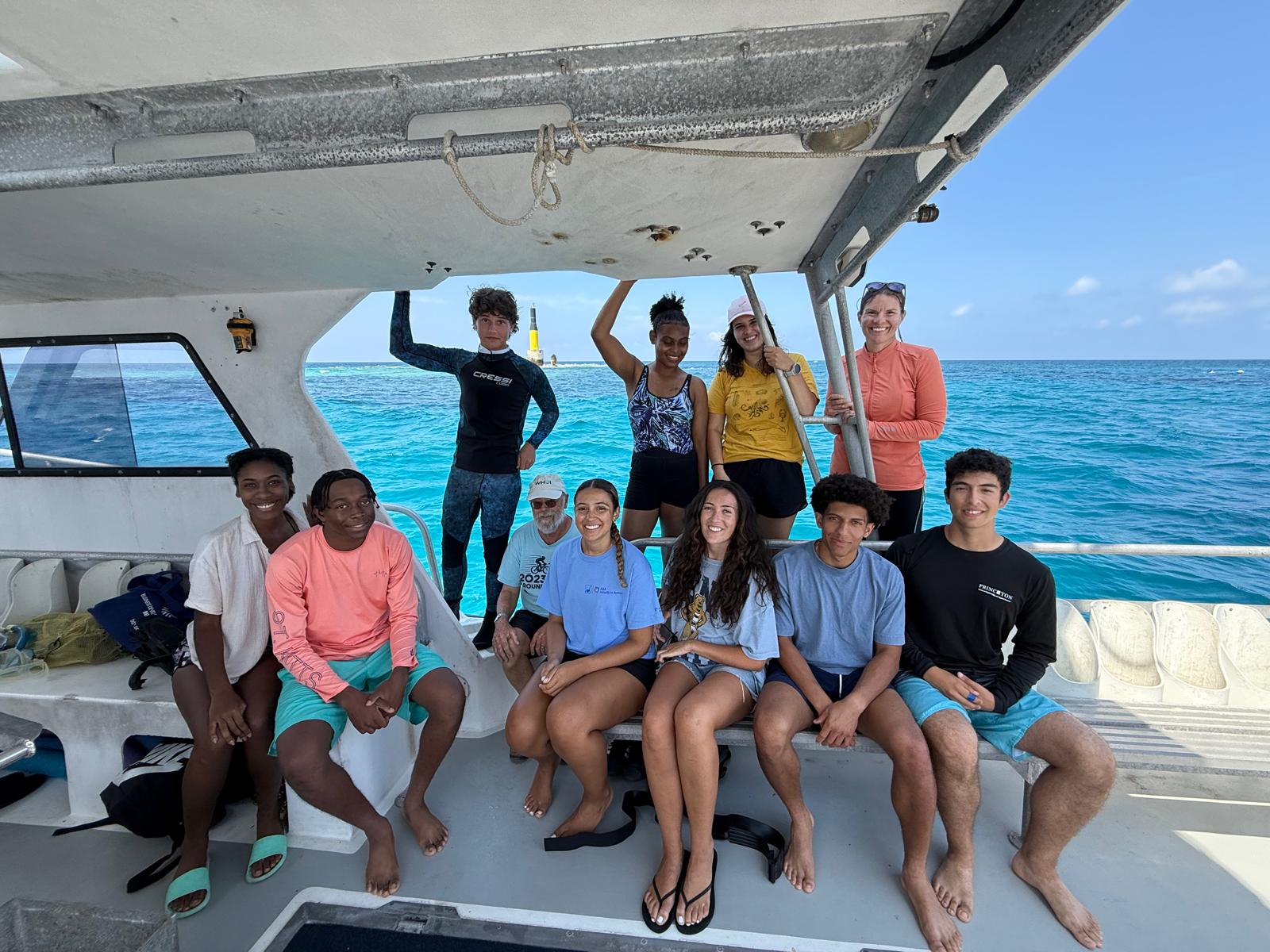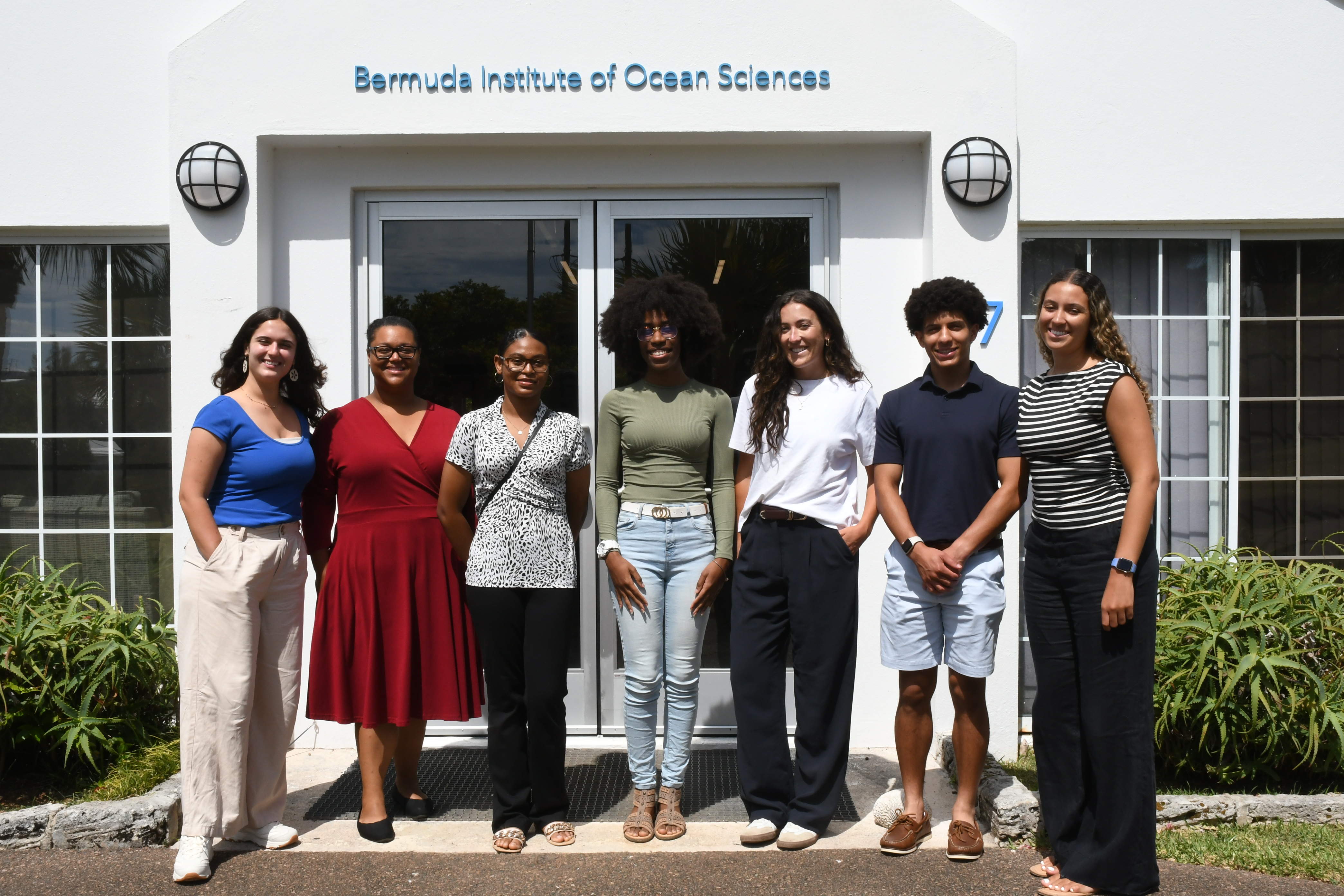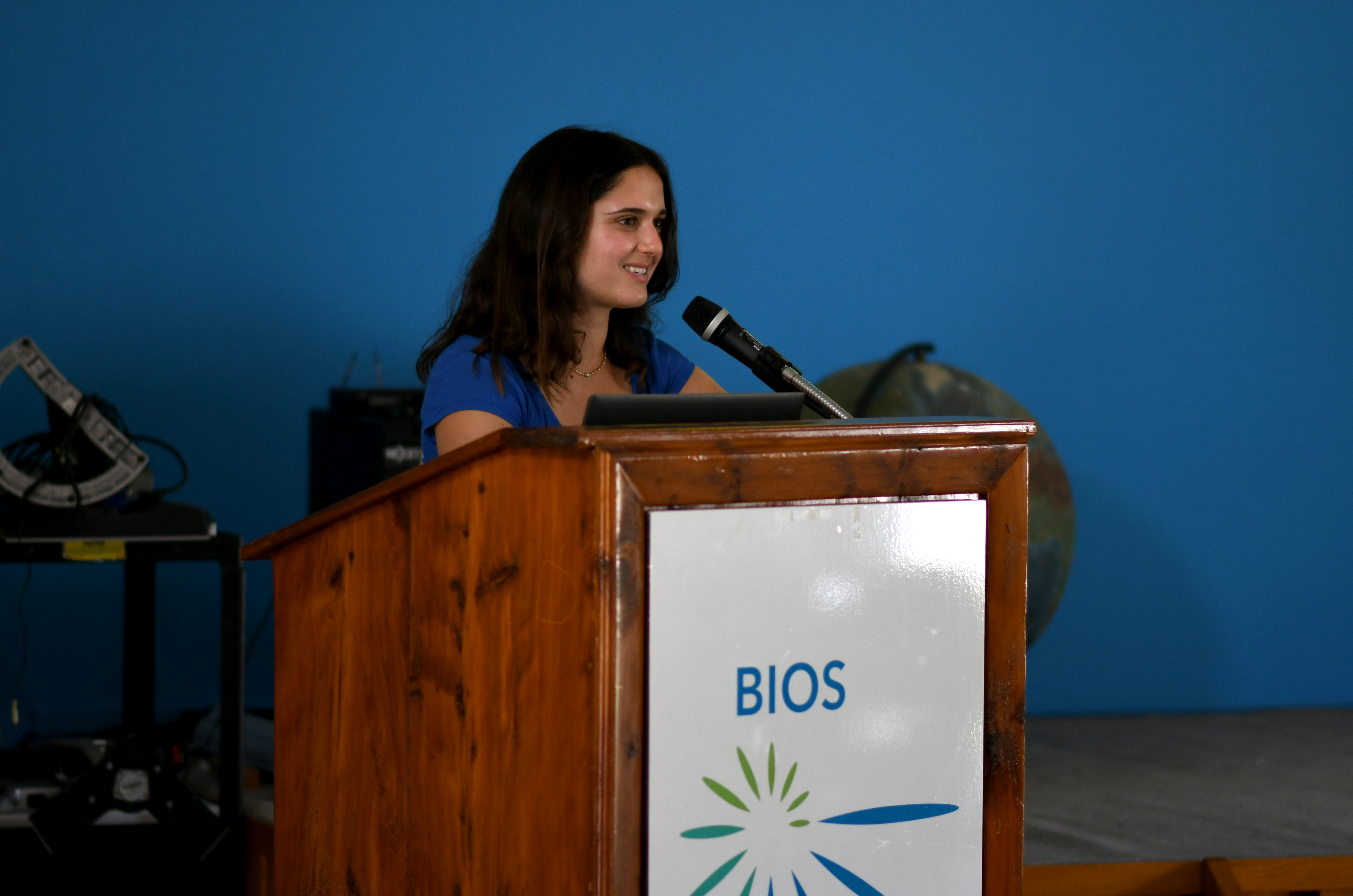


Last summer, the inaugural cohort of the Young Leaders in Ocean Governance (YLOG) program came to life in Bermuda. Founded and led by Ela Gökçiğdem, YLOG is a 10‐week hybrid training initiative that equips young Bermudians with a multidisciplinary foundation in ocean policy, law and finance, grounded in their island’s realities yet firmly connected to global debates. Designed as a pre‐career talent pipeline into the emerging Blue Economy and Law of the Sea, the program pairs a proprietary curriculum with internships across Bermuda’s legal, regulatory and financial institutions, from government departments to insurance and reinsurance firms.
Bermuda is an ideal place to explore ocean governance at the edge of climate risk. As one of the world’s leading insurance and reinsurance hubs, the island sits at the crossroads of climate risk, financial innovation and marine conservation. For YLOG fellows, this means learning about topics like coral reef insurance, marine protected area governance and high seas negotiations while simultaneously seeing how these issues materialise in boardrooms, ministries and regulatory agencies. The program invites students to ask a dual question: how do we govern our ocean and who is designing the financial and legal architectures that will make those governance choices possible?
A core aim of YLOG is to ensure that Bermudian youth do not “stumble into” ocean governance by accident, but instead enter the field intentionally with clear pathways and tools. Through seminars, capstone projects and mentorship from international experts, fellows build fluency across climate science, international law, blue finance, and local policy processes. This multidisciplinarity reflects an underlying conviction: that effective ocean governance in Small Island Developing States cannot be siloed and that the next generation must be equally comfortable reading a term sheet, interpreting a treaty and speaking to their community.
During our first in‐person convening in Bermuda, we pushed this integrated lens further by exploring how emerging climate intervention debates may reshape the seascapes our fellows will work within. In collaboration with partners working on solar radiation modification (SRM), we introduced students to the governance questions surrounding climate intervention research and potential deployment, and the implications for marine ecosystems, coastal livelihoods and Arctic and high seas governance. Through scenario‐based exercises and futures workshops, students were asked to imagine whose voices are present, or missing, when decisions about SRM research, financing and oversight are made and whether they see themselves as having a seat at those tables at all.
These conversations quickly surfaced a set of questions that sit at the intersection of my work at the Geneva Graduate Institute and the realities of Bermuda as a financial center. As technologies like SRM or marine carbon dioxide removal move from abstraction to possibility, they bring new layers of financial, legal and ethical uncertainty. Insurance and risk‐transfer mechanisms will play a defining role in how these uncertainties are priced, shared and governed, especially in jurisdictions like Bermuda that host a significant share of global reinsurance capital. For our fellows, being in Bermuda meant that geoengineering was not just a theoretical governance puzzle: it was tied to the very institutions, regulatory frameworks and market actors that shape climate and ocean risk worldwide. At the same time, the program’s emphasis on local agency is central. Bermuda’s position as a British Overseas Territory means that its communities often navigate a tension between global governance processes and limited formal treaty‐making power. YLOG is, in part, a response to that tension: an attempt to build domestic capacity so that Bermudian youth can meaningfully engage with, and shape, the international decisions that affect their waters, whether at UN ocean negotiations, climate summits or in conversations about emerging climate interventions. By anchoring the curriculum in Bermuda’s legal and institutional landscape, while drawing on global frameworks and case studies, we aim to ensure that students are not only informed but able to act.
My Master’s thesis at the Graduate Institute focuses on the YLOG program itself, examining how it can serve as a model for locally grounded, globally connected ocean governance training in Small Island Developing States. I explore how youth‐focused capacity‐building can intersect with questions of blue finance alignment, risk governance, and equity in coastal and island contexts. In turn, the Institute’s emphasis on critical, interdisciplinary research has sharpened the way we design YLOG’s modules, from integrating global governance debates into the classroom to thinking carefully about power, accountability and representation in ocean decision‐making.
Ultimately, YLOG is about building a durable bridge between young Bermudians and the structures that govern their ocean. We have seen that when students are given the tools to understand not only the science and law of the ocean, but also the financial and political systems in which they operate, the solutions they propose become more ambitious, grounded and creative. Our hope is that programs like YLOG will help ensure that future conversations about ocean governance, climate risk and even climate intervention are not only happening about islands like Bermuda, but with and led by the people who call them home.