This multi-year research project, funded by the Swiss National Science Foundation (SNF) from 2022 to 2026, investigates the practices of prominent "non-Western" powers in fostering peace and order in conflict-affected and fragile countries.
The research examines their interactions and the implications for global peacebuilding efforts. Specifically, the project focuses on three "non-Western" powers: China, Japan, and Russia. It analyzes their practices in specific contexts of conflict and fragility, their (non)enactment of specific norms in peacebuilding, and how relevant local actors perceive their programs, policies, and interactions.
The analysis includes how these practices relate to the norms of sovereignty, governance, and human rights, and how they shape the global normative order of peacebuilding. Beyond the field of peace and conflict research, this project aims to develop non-binary frameworks for understanding global normative transformation, stimulating further research on norms, practices, rising powers, and international order.
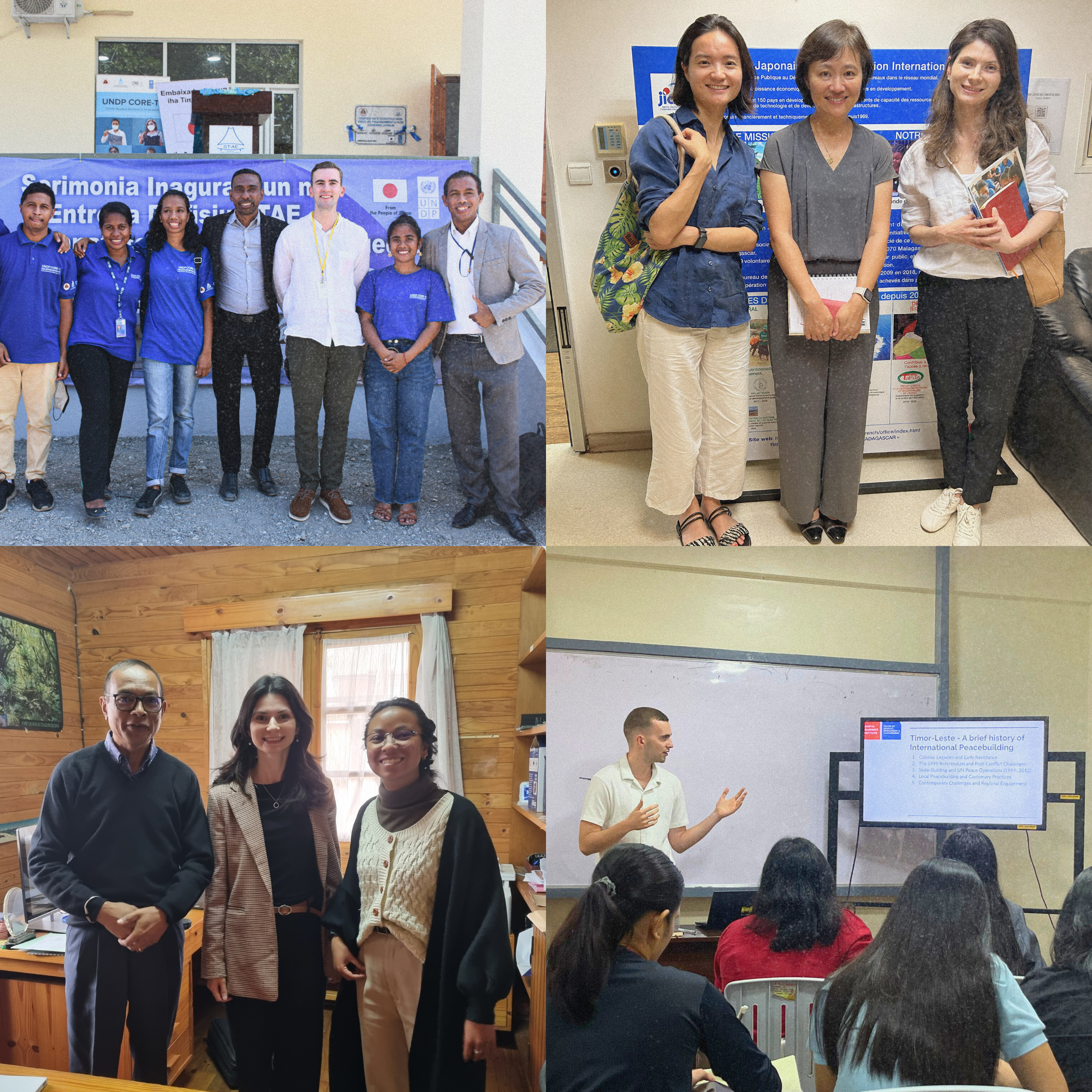
By 2026, the project had progressed in three significant ways. Firstly, beginning in 2023, the team conducted extensive fieldwork to gather qualitative data on practices. This included interviews, site visits and participant observation.
Second, in light of the security situation in Burkina Faso (initially proposed as a case study), the research focus shifted to Kazakhstan to better capture the multi-dimensional fragility present there and active engagement of non-Western powers in political order and regional stability.
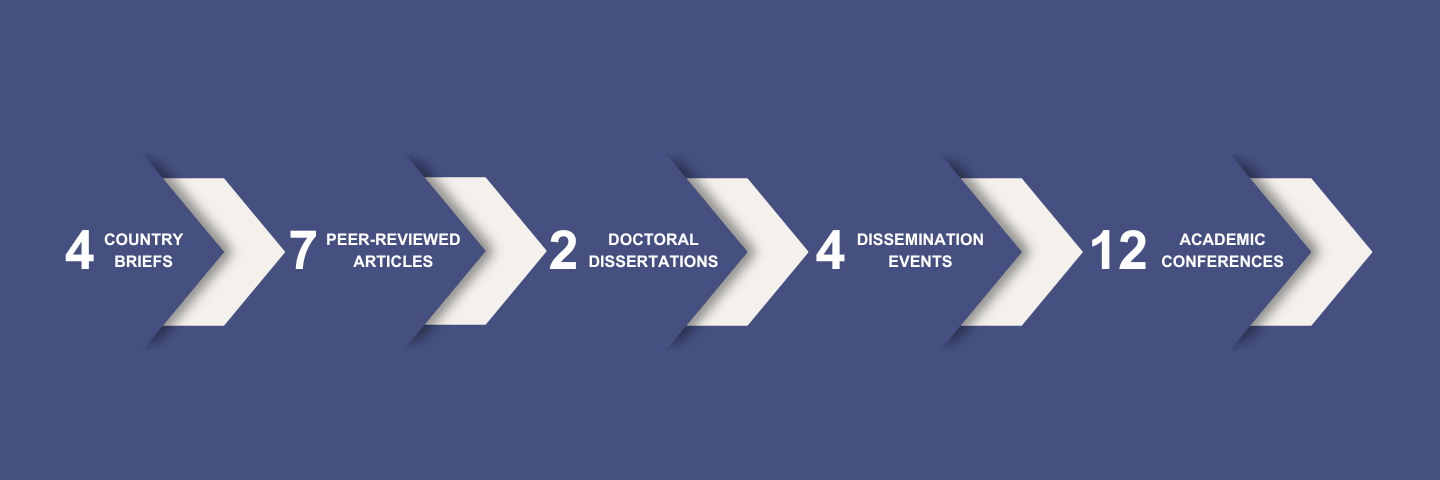
Thirdly, the project has already made significant contributions to the fields of International Relations and Peace and Conflict Studies. These include five articles published in high-ranking peer-reviewed journals and two book chapters. The project team also disseminated their findings in four different locations and presented working papers on 12 occasions at international conferences.
This project is a collaboration with three external CCDP Research Associates: Oliver Jütersonke (independent researcher, knowledge broker and conflict analyst); Kazushige Kobayashi (Associate Professor of Peace Studies at the College and Graduate School of International Relations, Ritsumeikan University, Kyoto, Japan); and Xinyu Yuan (Head of the Peacekeeping and Conflict Management Research Group at the Peace Research Institute Frankfurt).