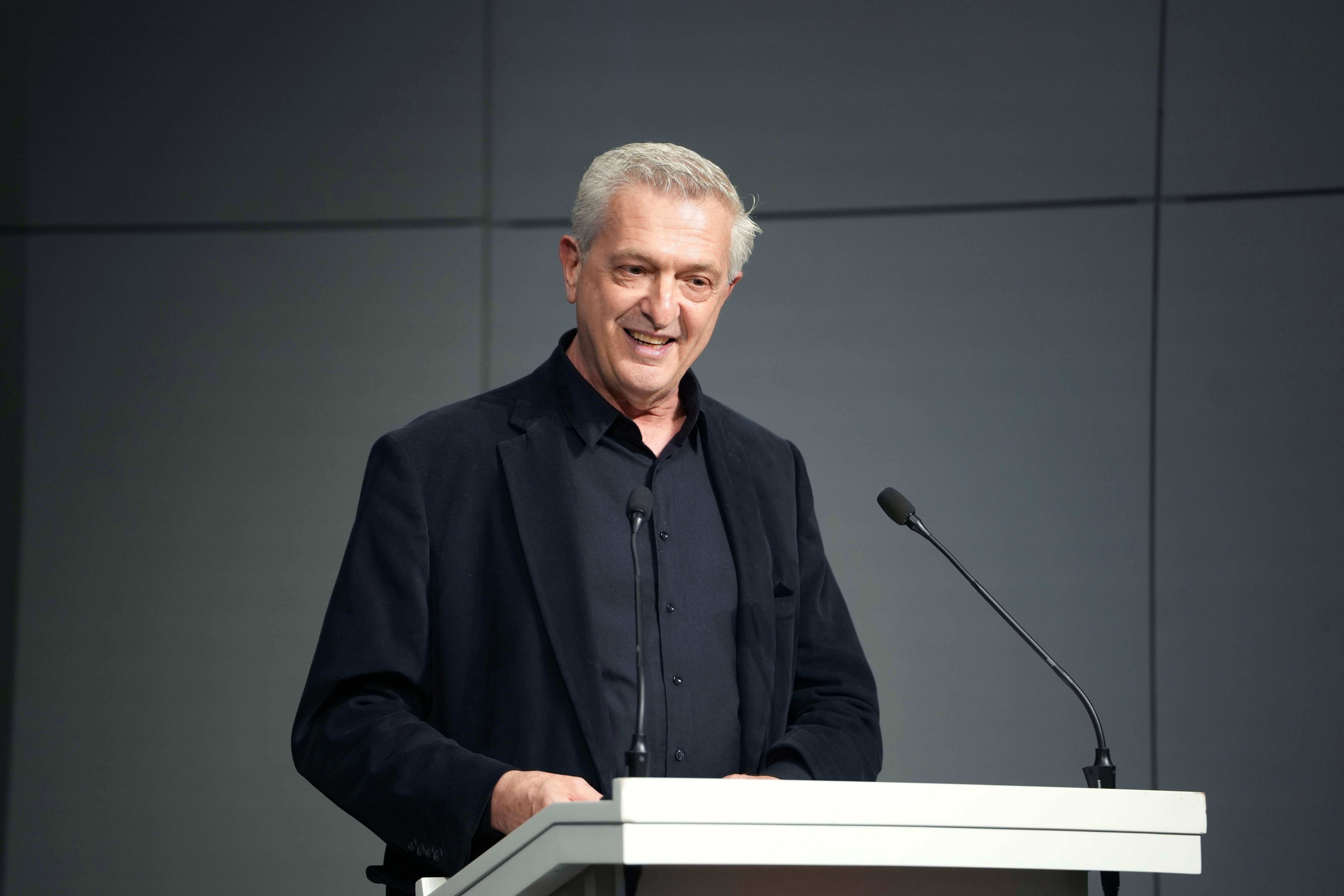


Drawing on more than four decades of experience, including ten years as UN High Commissioner for Refugees, Grandi offered a candid assessment of a sector under pressure. He highlighted the increasingly complex political environment in which humanitarian actors operate, noting that decisions are often shaped by difficult trade-offs between access to affected populations and the defence of fundamental rights.
Reflecting on his early experiences in the field, Grandi underscored both the urgency and the complexity of humanitarian work. While aid can be life-saving, it is frequently entangled in political realities that leave practitioners facing “choices between bad and worse” situations.
A central theme of the discussion was the growing gap between humanitarian response and long-term development. As crises become more protracted and funding declines, Grandi argued for new approaches that bridge emergency aid and sustainable recovery, including greater investment in local systems and actors.
He also warned against the narrowing of humanitarian action to short-term, “life-saving” interventions, cautioning that such an approach risks undermining longer-term stability and peacebuilding efforts. More broadly, he framed humanitarian work not only as a profession but as a mission rooted in the defence of fundamental human principles.
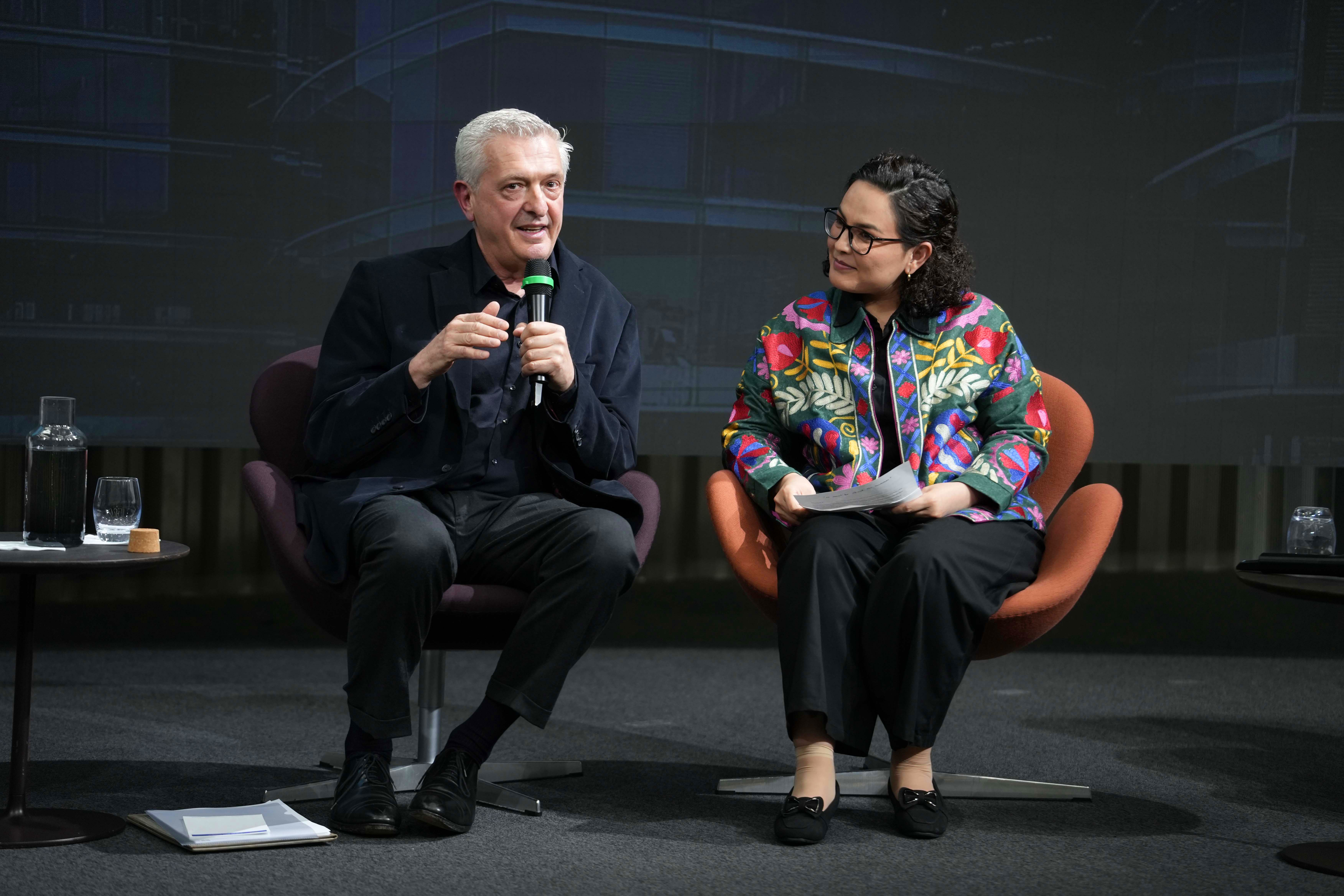
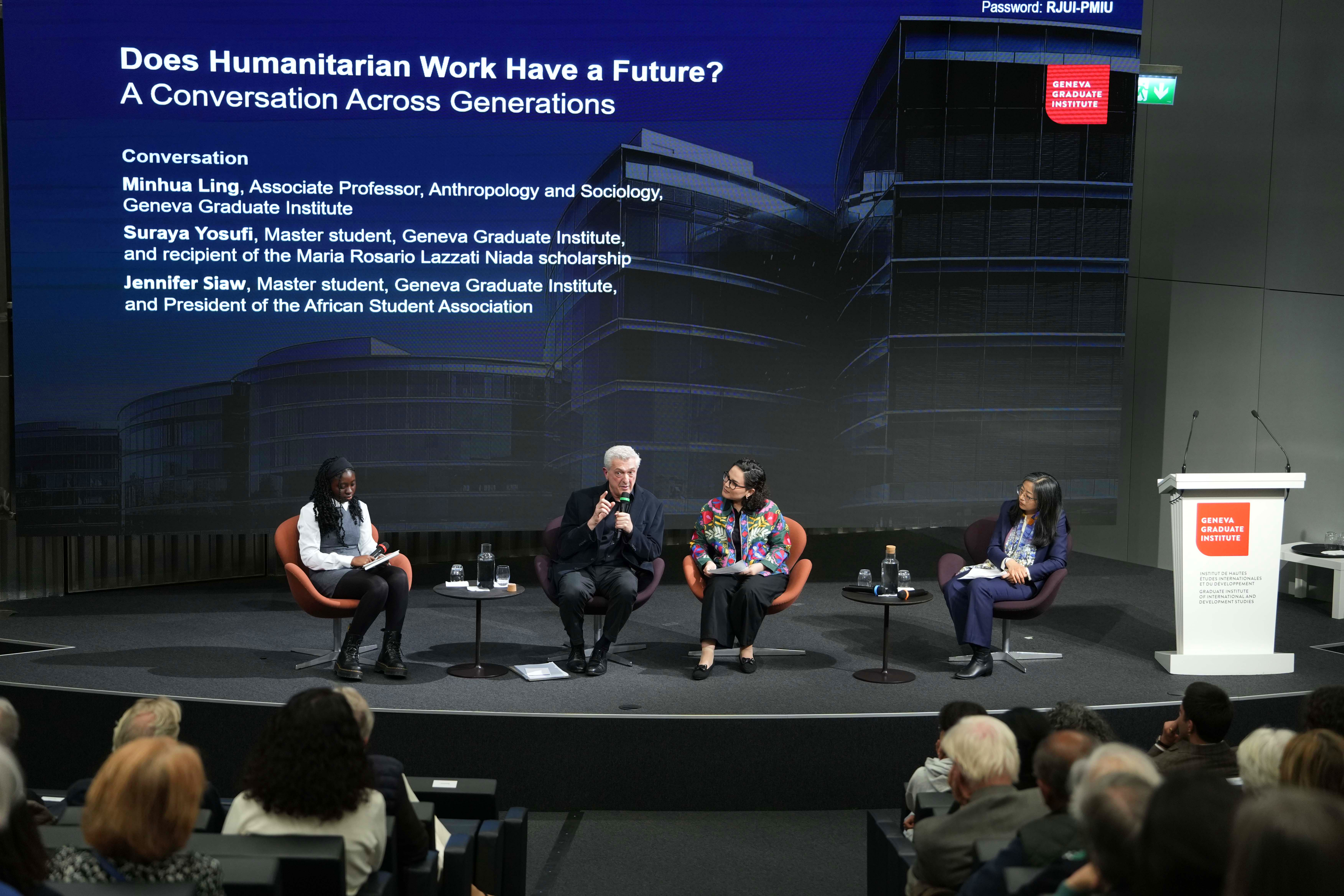
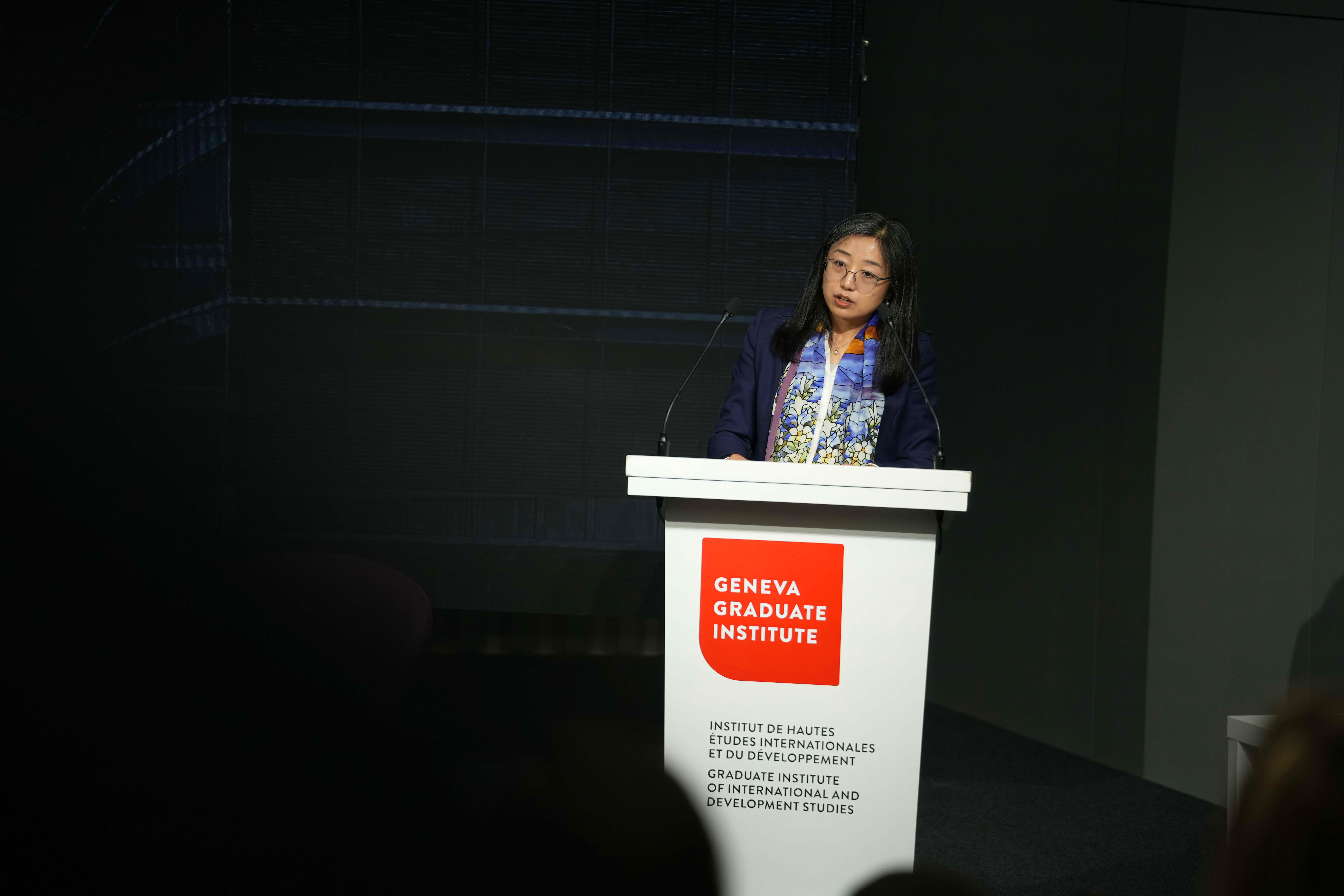
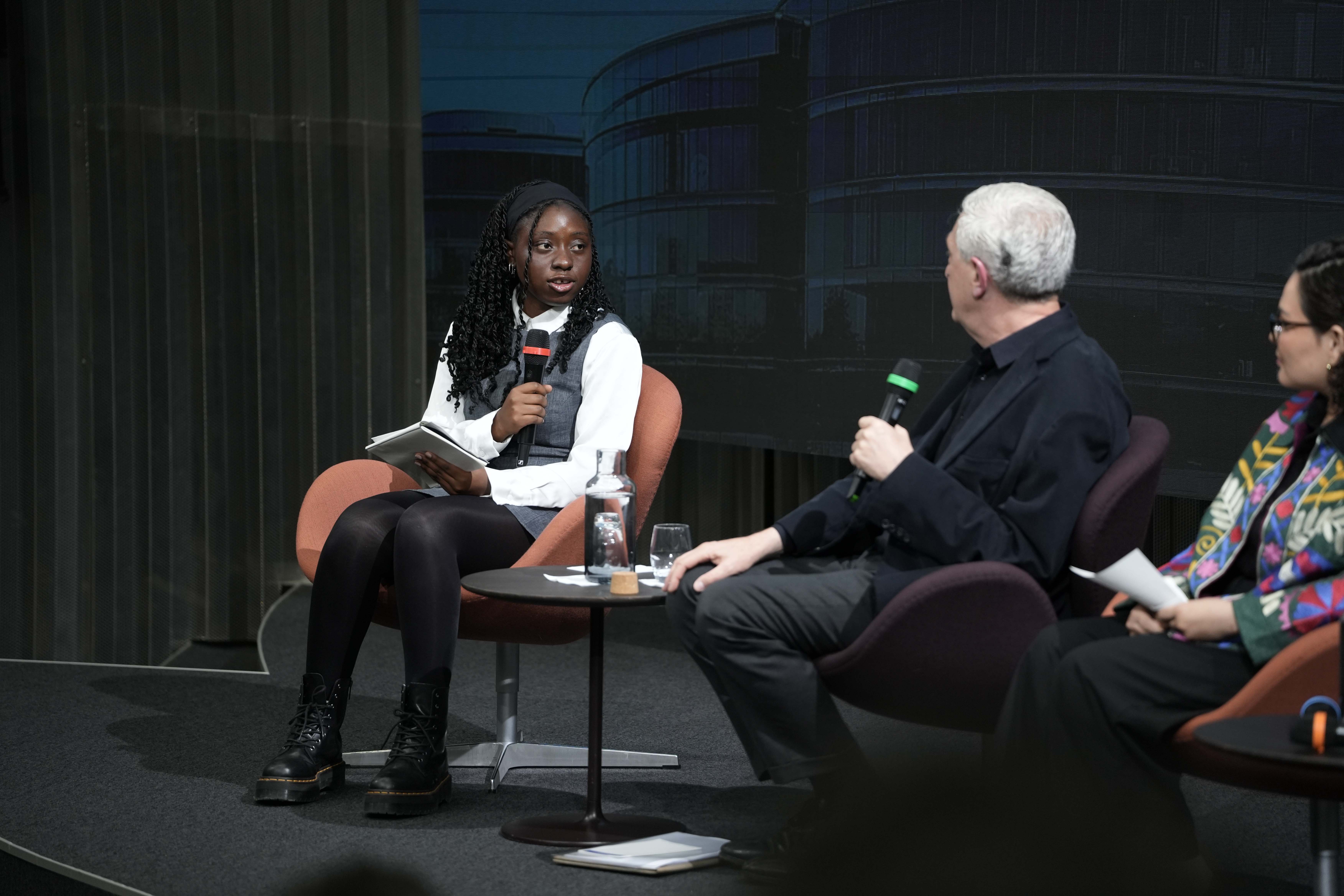
The event featured an intergenerational dialogue, with contributions from Associate Professor Minhua Ling and students Suraya Yosufi and Jennifer Siaw, who engaged directly with Grandi on issues ranging from the localisation of aid to the future role of young professionals in the sector.
Throughout the discussion, Grandi encouraged students to remain engaged and critical, stressing the importance of political awareness and civic responsibility in shaping the future of humanitarian action.