

CORE COMPONENTS OF THE QUALITY ASSURANCE SYSTEM
1. A structured framework supporting quality and strategic alignment
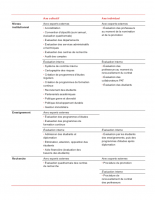
The quality assurance system is built on a robust and evolving regulatory and policy framework, complemented by institutional practices that promote quality across all domains.
This framework defines clear responsibilities, supports coordination between governance bodies and ensures that academic and administrative activities are conducted in line with institutional objectives. It also enables participation and consultation mechanisms, allowing stakeholders to contribute to decision-making processes and to the continuous development of the system.
In line with accreditation standards, the system promotes consistency, transparency and accountability, while providing the conditions necessary for the development of high-quality teaching, research and services.
2. Evaluation and continuous improvement as core principles
The Institute’s quality assurance strategy is based on regular and systematic evaluation processes, covering academic programmes, research activities and administrative services.
These evaluations are defined by clear objectives and supported by a set of indicators, data and analytical tools, enabling the monitoring of performance and progress over time. They include both internal reviews and external assessments, ensuring robustness and credibility.
The results of these evaluations are systematically integrated into decision-making processes, feeding a continuous improvement cycle that allows the Institute to adapt its practices, strengthen its processes and enhance its overall effectiveness.