Research page
Centre for Digital Humanities and Multilateralism

Minutes of Multilateralism

The Minutes of Multilateralism (MoM) is a digital platform conceived by CDHM leadership and partners in late 2024, unveiled as a prototype to members of the CDHM archivist-researcher network in late 2025, and launched as a pilot project in spring of 2026. 

Hosted by the CDHM and built in collaboration with its partners at the École nationale des chartes – PSL in Paris, the Engineering school in Computer Intelligence (EPITA), and the Centre for Digital Humanities (HELDIG) at the University of Helsinki with its Semantic Computing Research Group (SeCo), the platform valorises already digitised minutes of IOs’ governing bodies by creating an online, open-access platform. Its current iteration includes the minutes of the League of Nations Assembly (1920-1946; circa 26,900 minutes) and those of the General Assembly of the United Nations (1945-today). 

Based on a model of the ‘parliamentary debates’ platform developed by the SeCo team led by Eero Hyvönen, the MoM semantic web platform is a knowledge graph utilizing PSL-team developed Optical Character Recognition (OCR) capabilities that result in text-only searchable content catered to the complexly formatted minutes in question. When PDF archival documents are ‘OCR-ized’, their extracted text is used on the platform to facilitate new text capabilities that can aggregate, interlink and enrich data via semantic search. This means that the minutes’ content becomes easily searchable across collections, while also linking back to the original PDF of partner archives–with the expectation of increasing traffic to host organisations’ websites and leading MoM users to discover fonds and collections they may not have otherwise encountered. 
Discover the Minutes of Multilateralism Platform

The MoM’s text-only searchable content allows for new, high-throughput tools for transversal research across multiple filters of ‘prosopographical’ information (e.g., gender, nationality, represented country, places of birth and death) as well as visualization methods (photos, charts, and heat maps) that are fully open to the public, researchers and civil society alike. Moving forward, the MoM project will rely on archives made available online by other IOs, such as the European Council for Nuclear Research (CERN) and Inter-Parliamentary Union (IPU), among ongoing conversations with more IOs and NGOs slated to participate in the platform. Further to this, work is also underway at the CDHM on an agentic Retrieval Augmented Generation (RAG) system and a Quality Assurance (QA) database tailored to historical sources, designed to account for evolving meanings, institutional vocabularies, and place names across time. These components remain under active development.

Timeline:  Winter 2024 – ongoing 

Project Partners

Florian Cafiero

Florian Cafiero

Asssociated Professor, EPITA

Visiting Fellow, CDHM

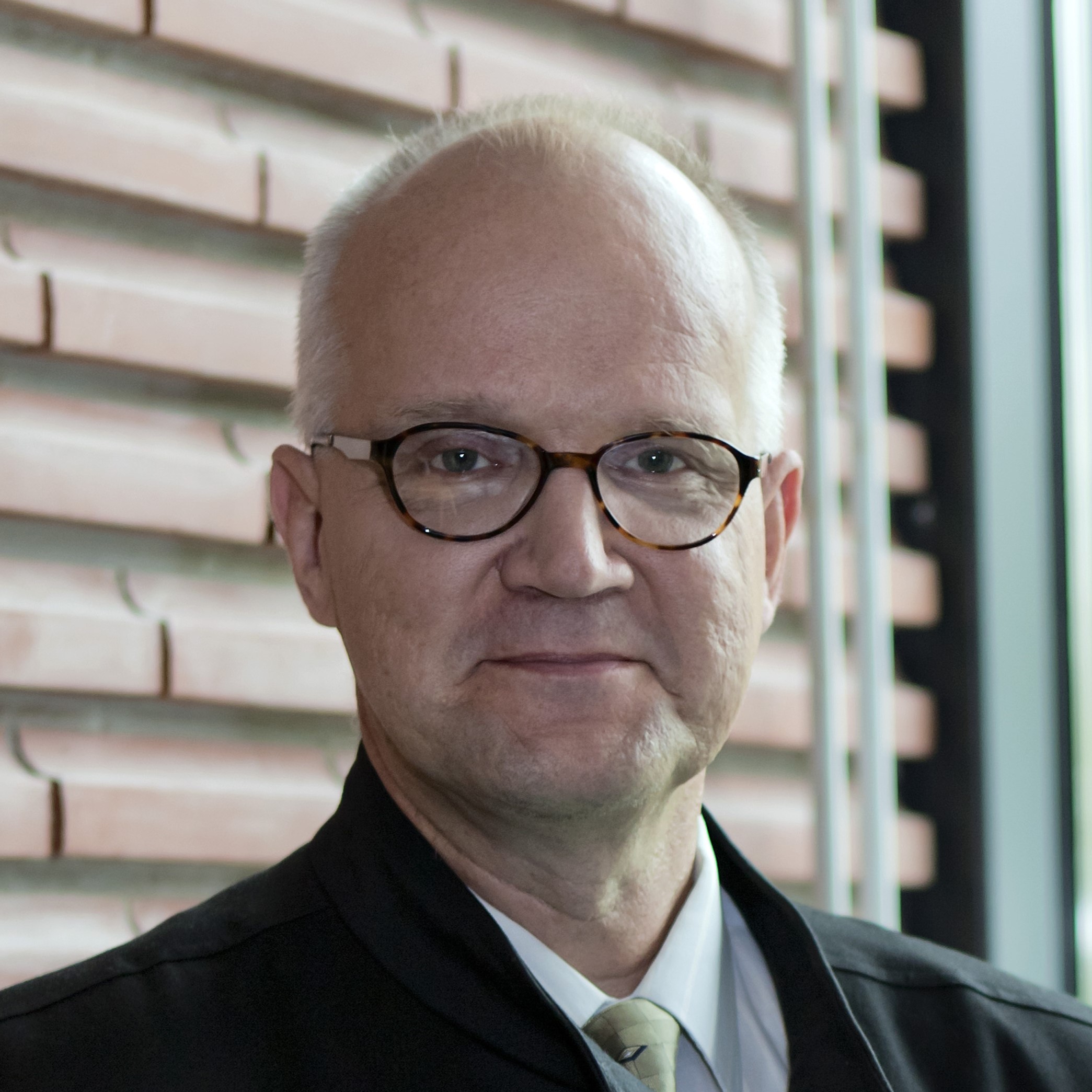
Eero Hyvönen

Eero Hyvönen

Professor Emeritus, Department of Computer Science, Aalto University

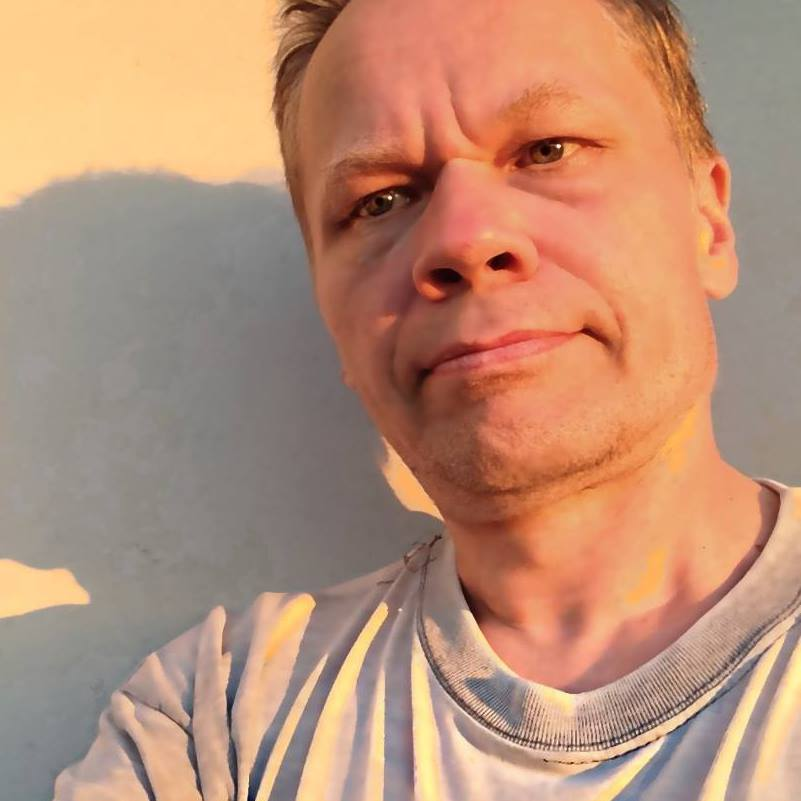
Petri Leskinen

Petri Leskinen

Researcher, Department of Computer Science, Aalto University 

Blandine Blukacz

Blandine Blukacz-Louisfert 

Chief Archivist,
UN Library & Archives Geneva

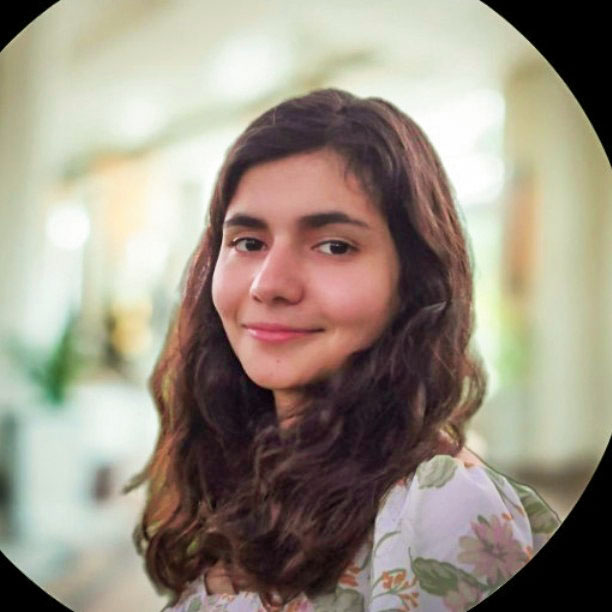
Juliette Benguigui

Juliette Benguigui

Audio-Visual archiving,

European Space Agency (ESA)

Alexandre Lionnet

Alexandre Lionnet

Doctorant contractuel CultureLab-PSL