Curriculum (30 ECTS)
The curriculum is composed of:
I. one or two substantive course
2 hours of class per course run over 14 weeks, 6 ECTS/course
1. INTERNATIONAL LAW AND FOREIGN POLICY, Prof. Fuad Zarbiyev, International Law
While the material scope of the international legal order is no longer limited to the ‘international plane’, international law’s particularly intimate connections with nations’ foreign policies cannot be denied. This course is premised on the widely acknowledged reality that international law is, among other things, a foreign policy tool and that the attitude of nations towards international law is shaped and informed by their foreign policy objectives. Taking this assumption as its starting point, the course will examine a series of questions situating international law in the broader context of foreign policies such as: How do foreign policy objectives shape and inform states’ attitudes towards the making and interpretation of international law? Why do nations comply with international law even though the latter lacks coercive enforcement mechanisms? Why do states create international courts and tribunals or choose to litigate their disputes before them? What is the place of international law in the management and resolution of international crises? How do double standards affect the power and credibility of international legal arguments? The ultimate objective of the course is to better appreciate and reflect on the foreign policy-relevance of international law.
28 hours (2h/14 weeks), equiv. 6 ECTS
2. MACROECONOMIC POLICY IN OPEN ECONOMIES, Prof. Cédric Tille, International Economics
This course introduces students to international economics, with an emphasis on macroeconomics. The course presents the key issues in a non-technical manner, and details what role policy can play and how it can play it. The course starts with the determinants of international trade, and the current policy challenges. It then moves to the determinants of the balance of payments, international capital flows, and exchange rate. We contrast the pattern in the long run – once the economy has adjusted – and the short run. The course then presents the evolution of the international monetary system, its actors, and how the policy focus has evolved through time.
28 hours (2h/14 weeks), equiv. 6 ECTS
II. two or three courses at the MA-level
2 or 3 classes of 2 hours/week per course run over 14 weeks, 6 ECTS/course
Choose three courses from a large range of themes (international law, political science, international economics, history of international relations, anthropology and sociology of development). Check out the course catalogue (some courses are subject to prerequisites)
Examples of master courses chosen by our students:
Autumn Semester
Peripheral Visions: The Birth and Evolution of Japanese Imperialism (1850-1937)
Transnational Legal Processes
Migration and Development
Political Economy of Contemporary China
Poverty and Inequality
Spring Semester
Economic Development of Resource-Rich Countries
Gender and International Affairs
Internet Governance: the Role of International Law
Medical Anthropology II: Contemporary Approaches to Biomedicine, Technology and Global Health
Global Migration Governance
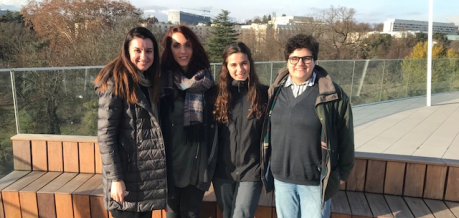
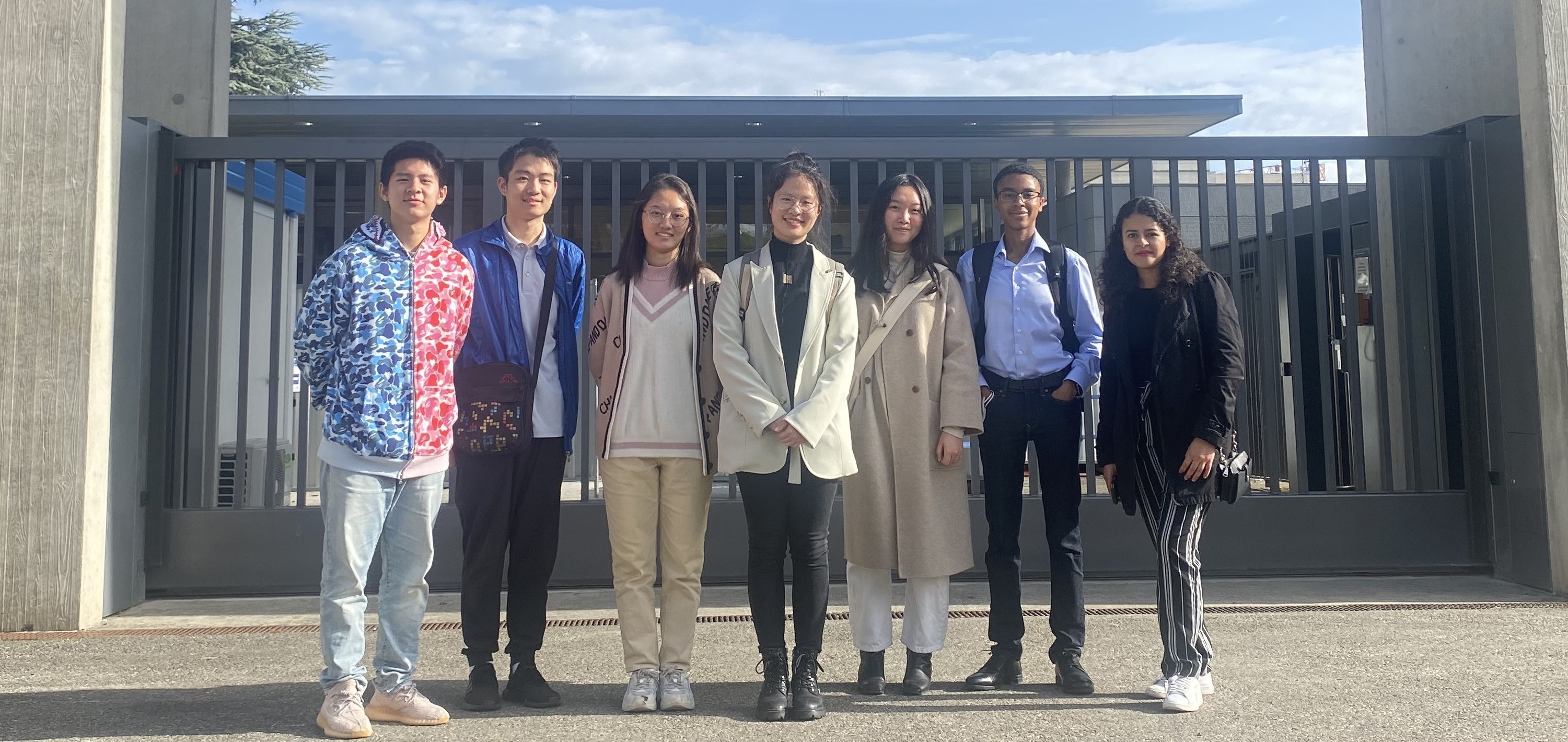
III. immersion programme | Visits to International Organisations as well as discussions with their representatives
3 ECTS
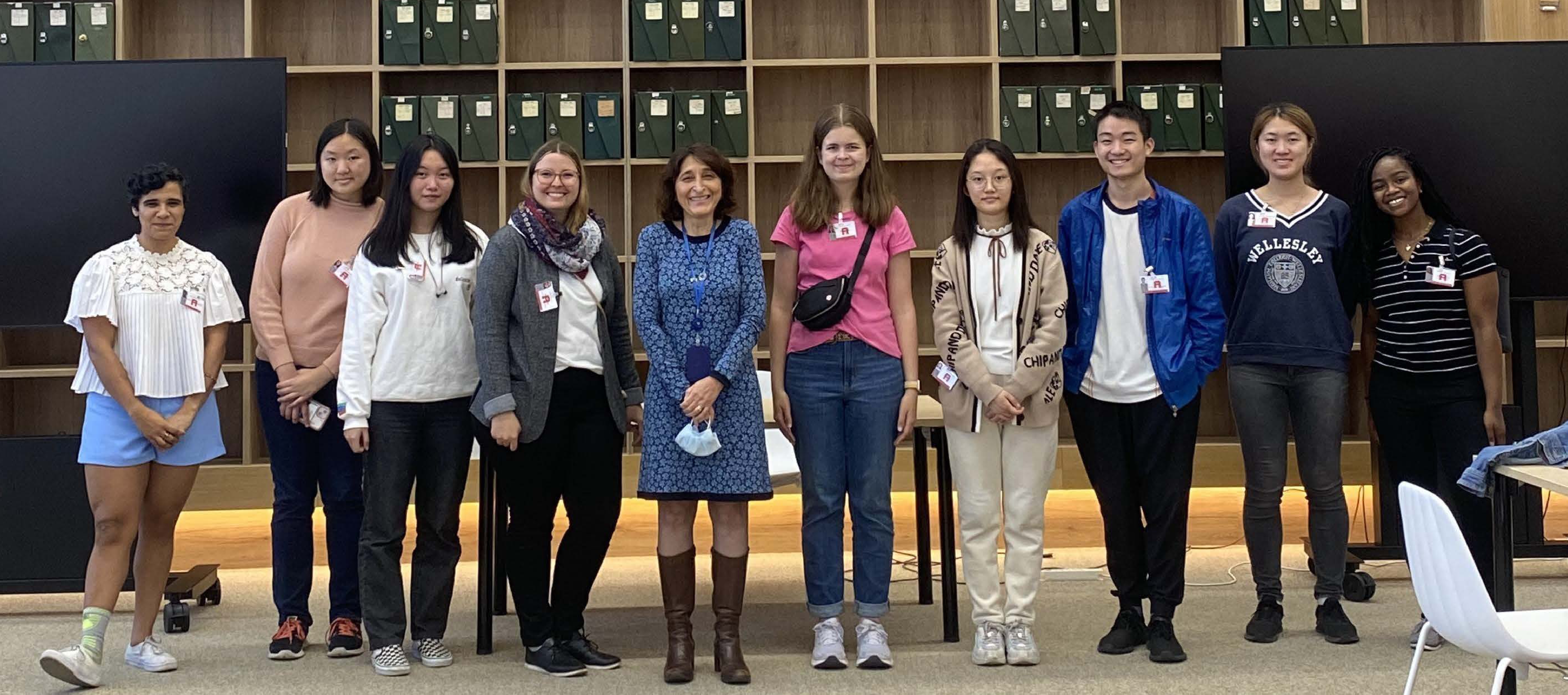
The Immersion Programme is an integral part of the undergraduate semester at the Geneva Graduate Institute and is designed to go beyond traditional classroom learning. It offers students a hands-on understanding of Geneva as a global hub for diplomacy, international cooperation, and policy-making, while responding to today’s challenges such as multilateral crises, climate change, and conflict.
Guided by a doctoral student mentor, students critically explore Geneva’s international ecosystem through site visits, workshops, and networking opportunities. The programme also includes a curated syllabus with academic and background readings to be completed ahead of activities, ensuring meaningful engagement and the development of practical and professional skills.
IV. French Language Course
2 hours/week run over 10 weeks, 3 ECTS (from beginner to intermediate levels).